
Ciabatta
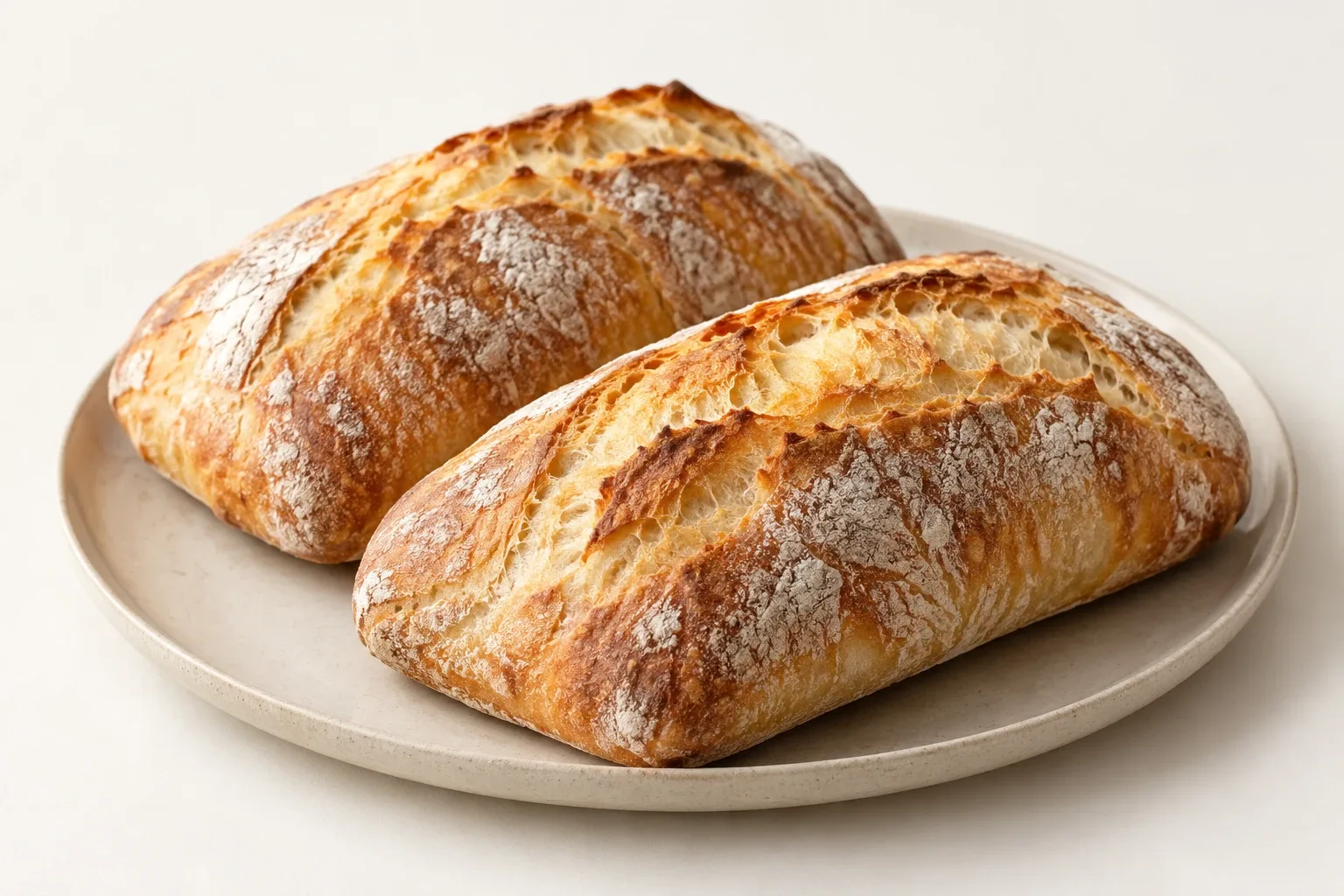
Italian ciabatta bread made with strong white flour, baked to golden crispness with an open, airy crumb structure. Serves 4.
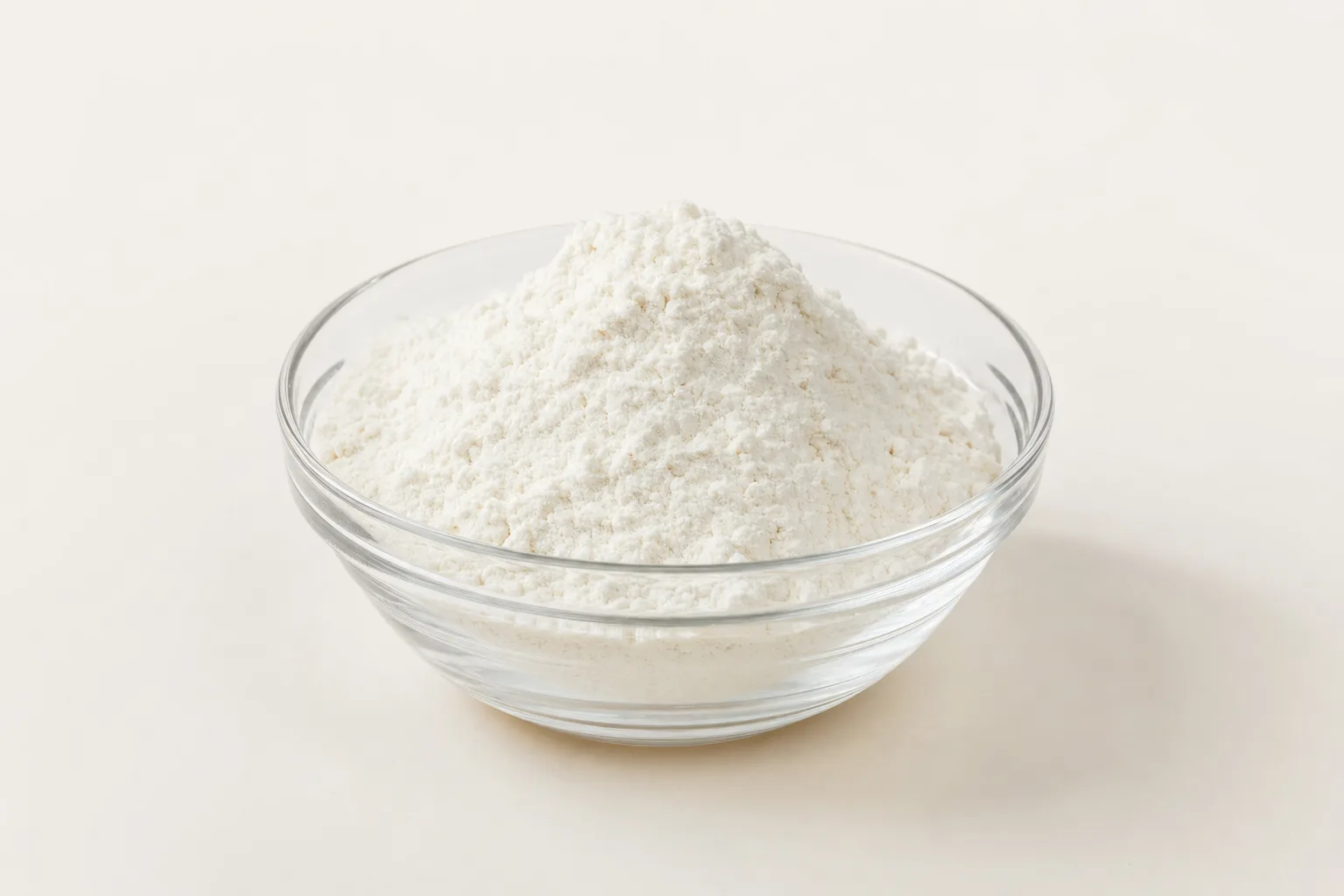 515g
515g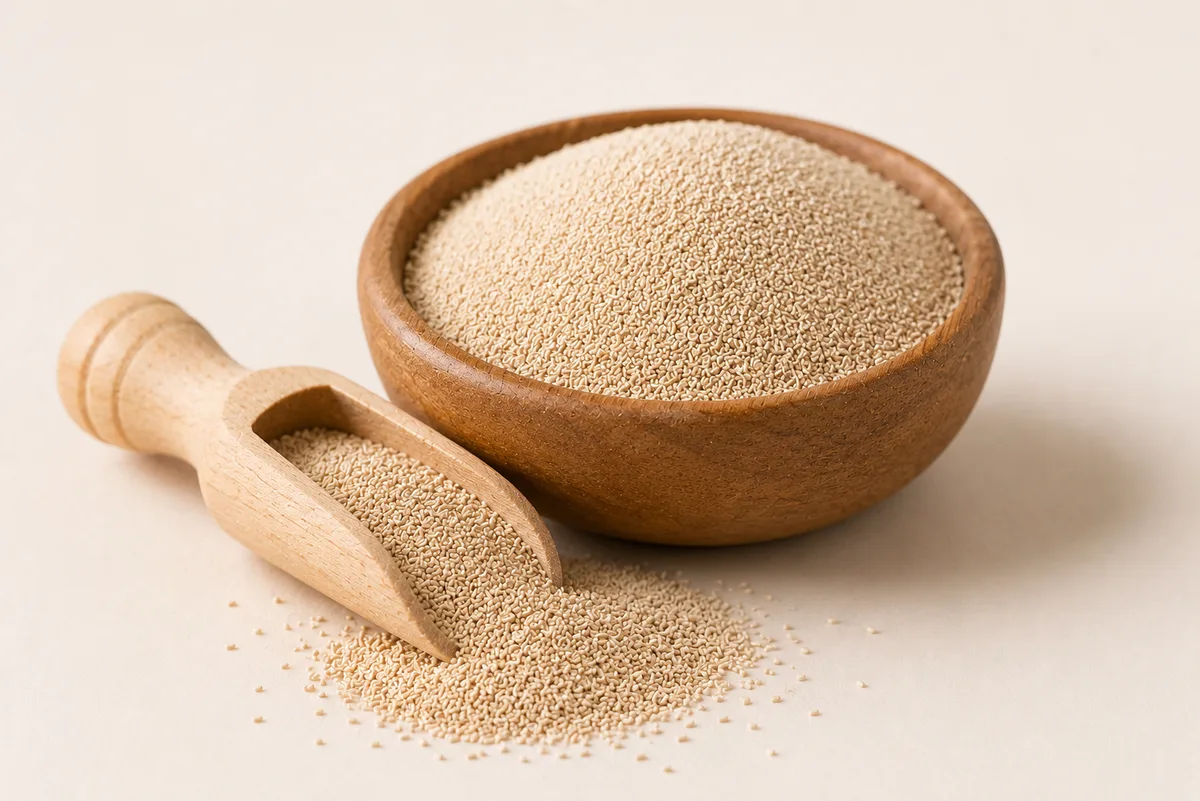 7g
7g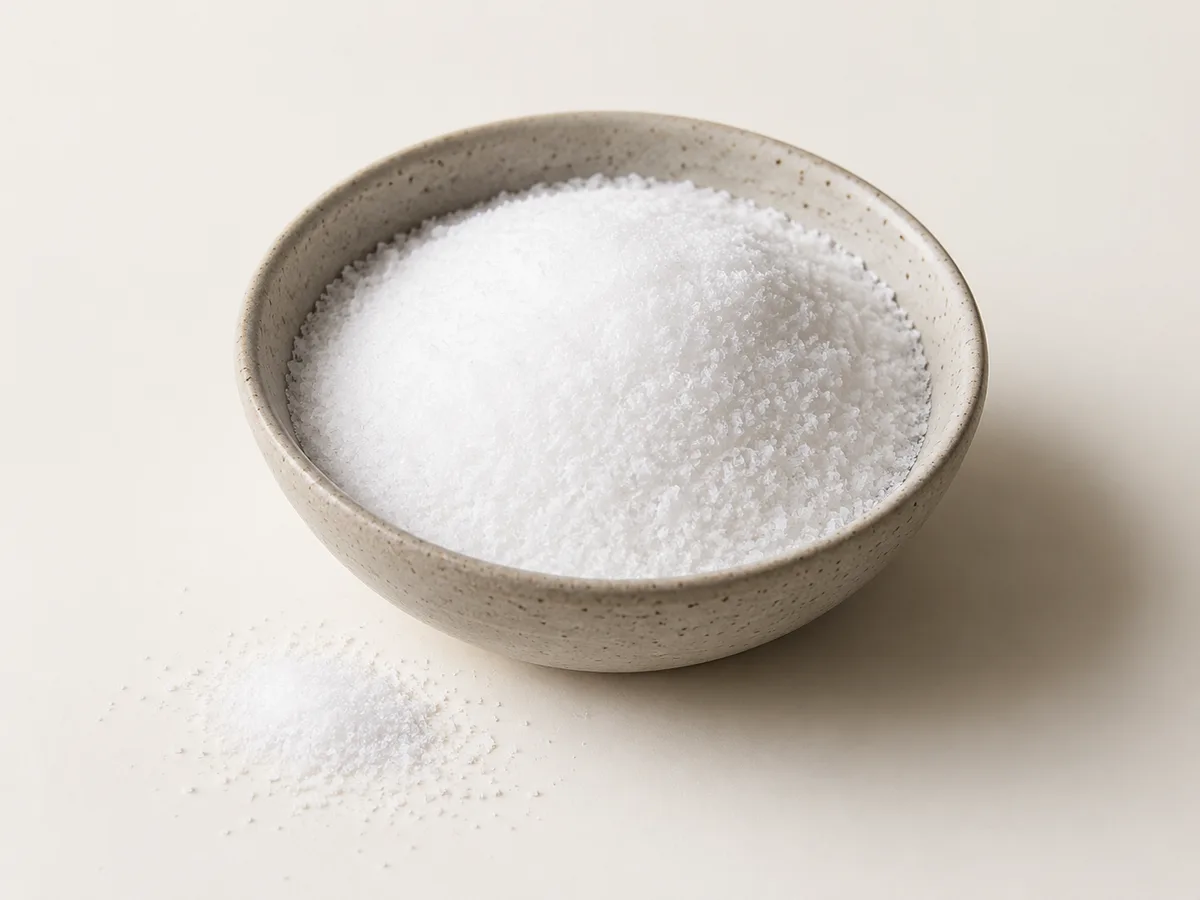 10g
10g 375ml
375ml 30ml
30ml| # | Product | Quantity | Notes | State | |
|---|---|---|---|---|---|
| 1 | | 515g | — | — | |
| 2 | | 7g | — | — | |
| 3 | | 10g | — | — | |
| 4 | | 375ml | — | — | |
| 5 | | 30ml | — | — |
Tip the flour into a large mixing bowl.
Strong white bread flour · 500 g
Add the instant yeast to the flour.
Instant yeast · 7 gAdd the salt to the flour, keeping it on the opposite side of the bowl from the yeast.
Fine salt · 10 gPour in the water.
Water · 375 mlPour in the olive oil.
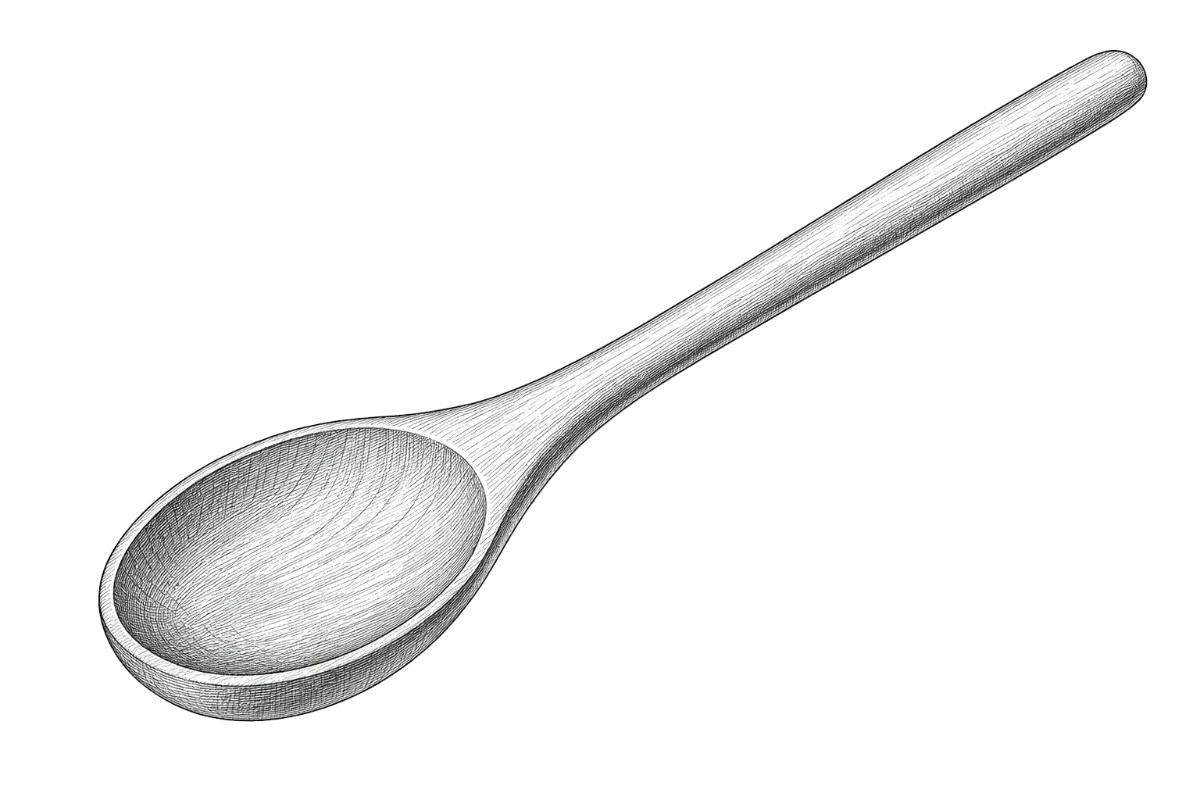
Extra-virgin olive oil · 30 mlStir everything together with a wooden spoon until no dry flour remains and you have a very sticky, shaggy dough.
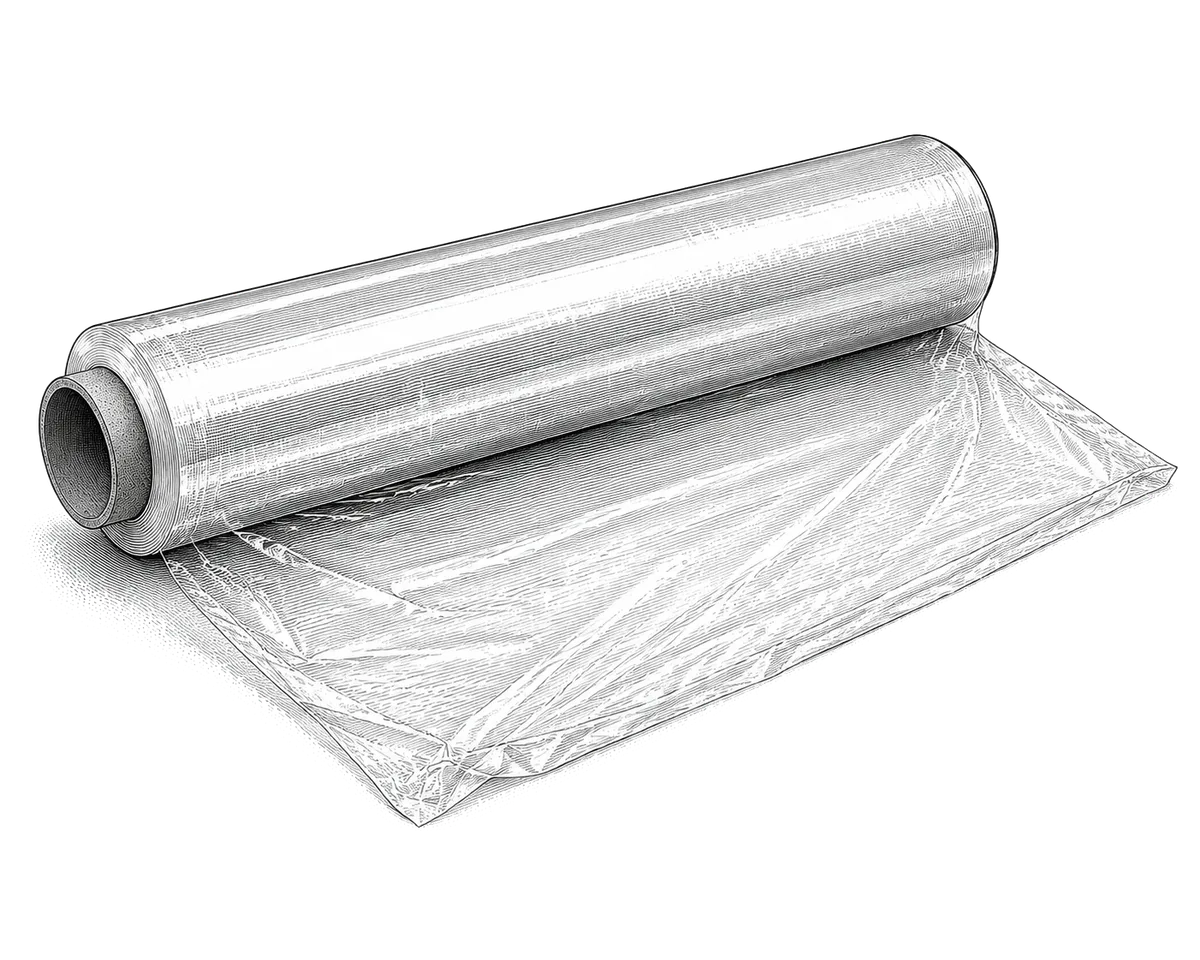
Lay a sheet of cling film directly over the bowl to seal it.
Leave the dough to rest at room temperature for 1 hour so the flour fully hydrates and gluten begins to develop.
Wet your hand, reach down one side of the dough, pull it up as far as it will stretch without tearing and fold it over to the opposite side; turn the bowl a quarter-turn and repeat four times to complete one set of stretches and folds.
Re-cover the bowl with the cling film.
Leave the dough to rest for 30 minutes.
Wet your hand again and perform a second set of four stretches and folds, turning the bowl a quarter-turn between each one.
Re-cover the bowl with the cling film.
Leave the dough to rest for another 30 minutes.
Wet your hand and perform a third and final set of four stretches and folds.
Re-cover the bowl with the cling film.
Leave the dough to bulk-prove at room temperature for 1 hour, until it has grown noticeably and is full of bubbles.
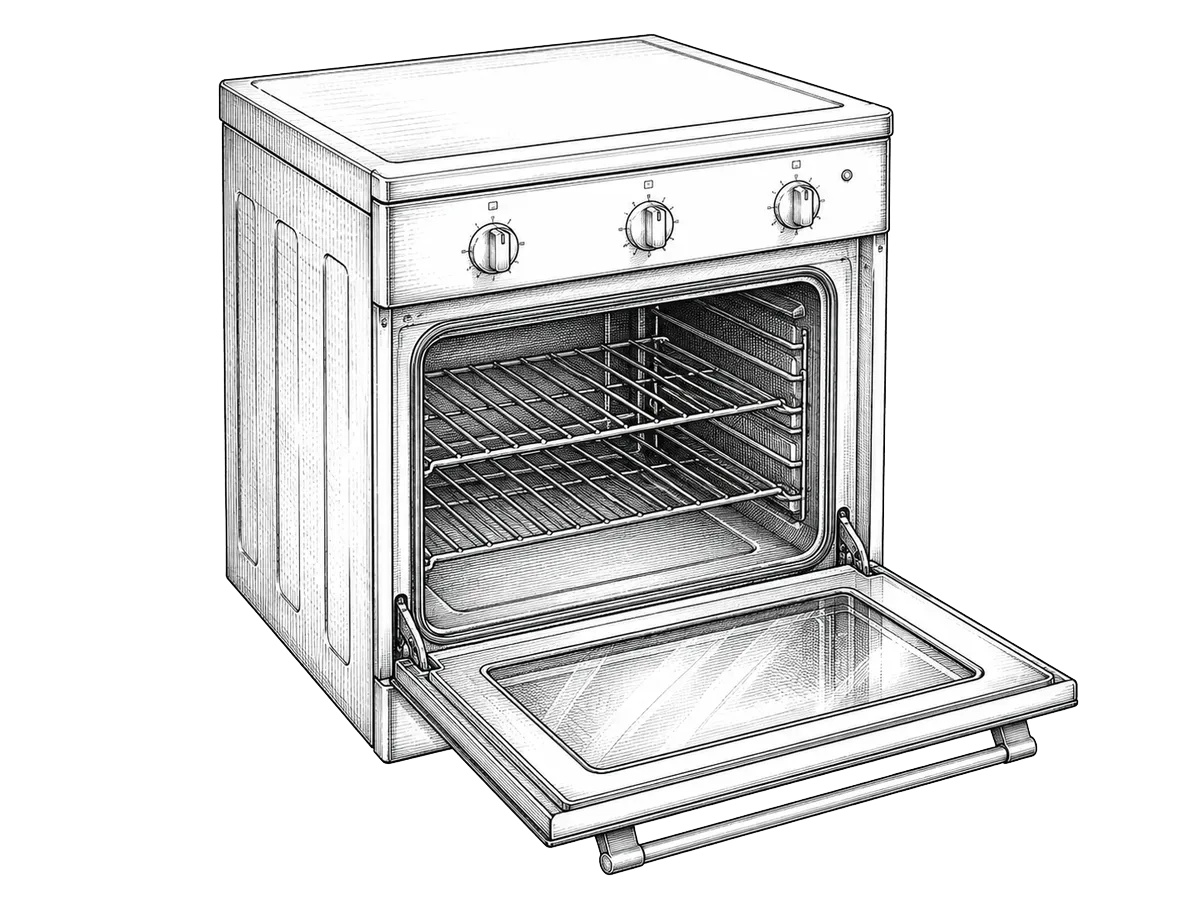
Set the oven to 240 °C and let it heat fully for at least 30 minutes, with a baking tray inside so it gets searingly hot.
Scatter a generous coating of flour over a second baking tray so the dough will not stick when you tip it out.
Strong white bread flour · 15 g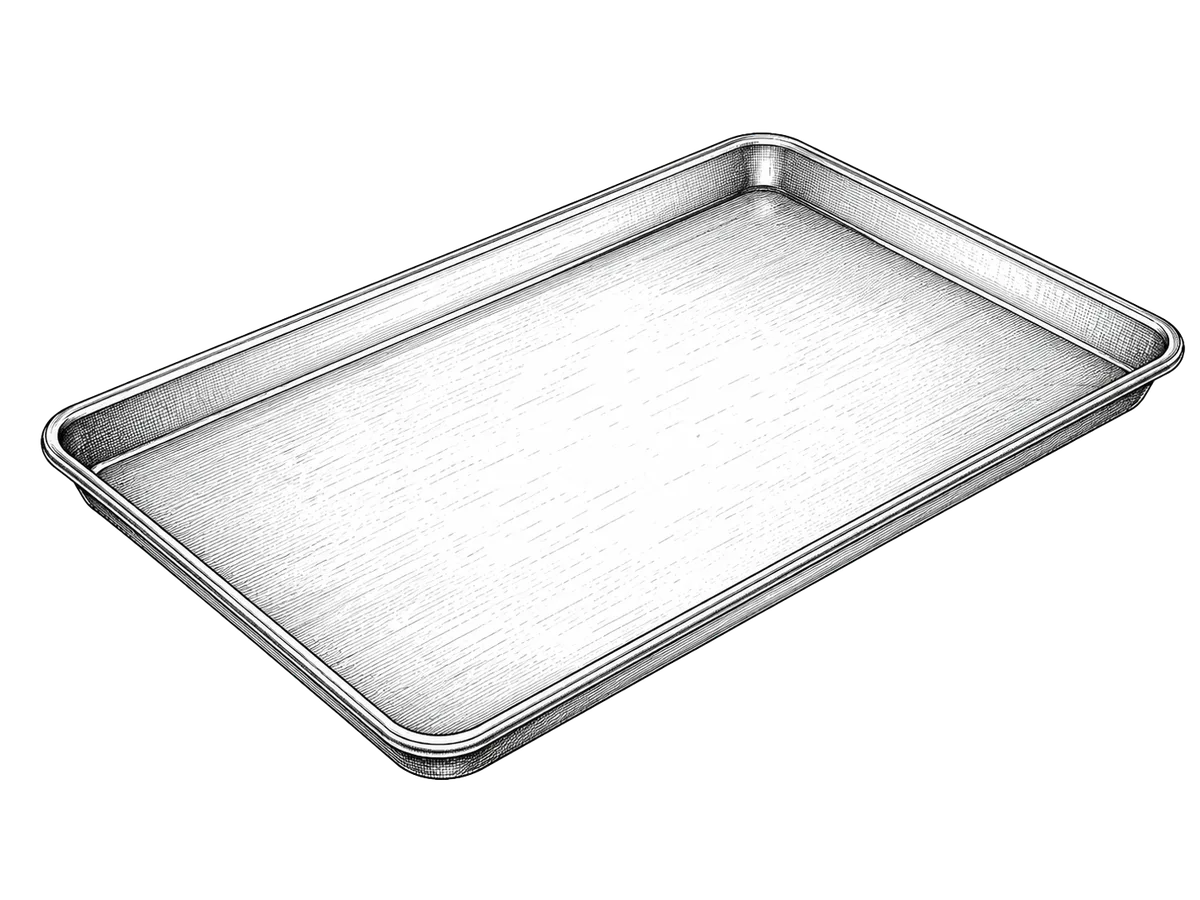
Flour your hands well, then gently ease the dough out of the bowl onto the floured tray in one rough rectangle — handle it as little as possible so you keep all the bubbles.
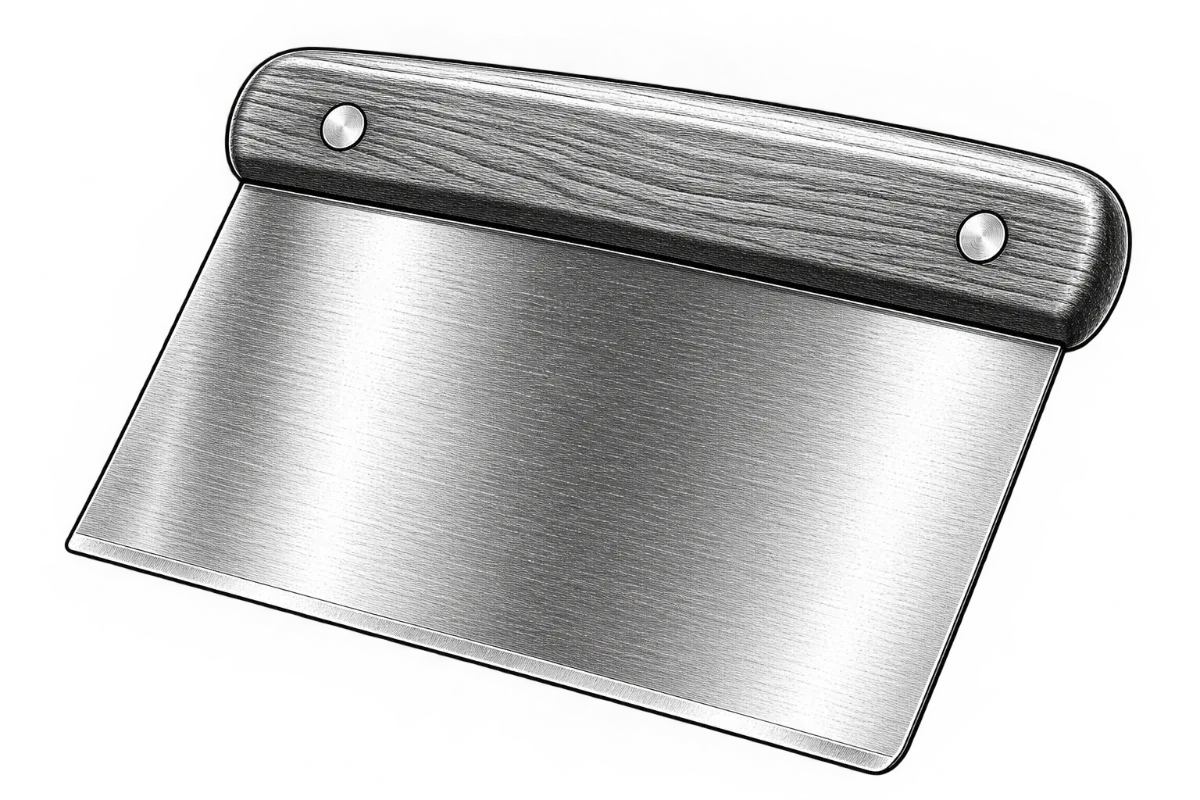
Use a well-floured dough scraper to cut the rectangle in half lengthways, giving you 2 long, rough loaves.
Leave the loaves uncovered on the tray to prove for 20 minutes while the oven finishes heating.
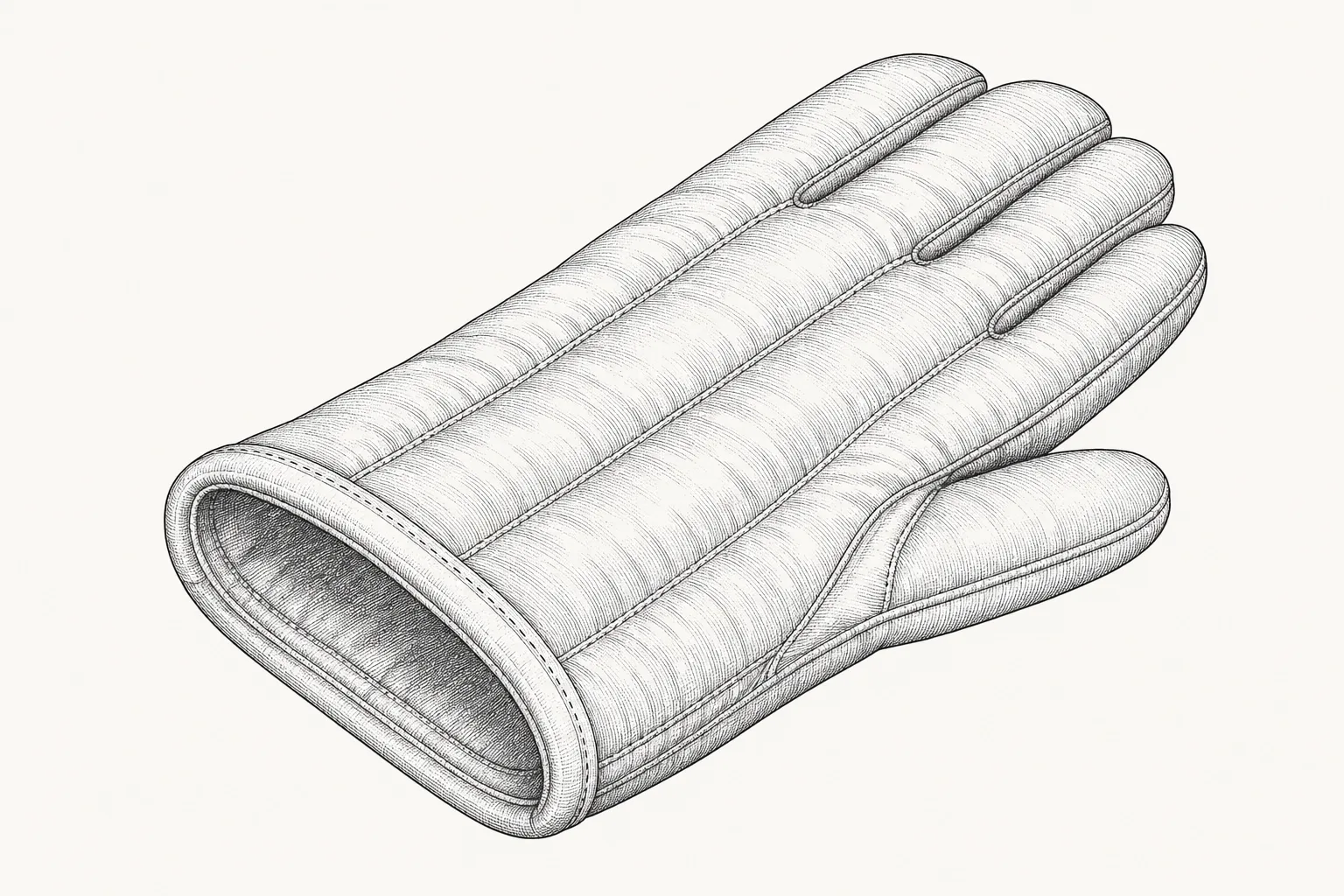
Slide the tray with the loaves into the oven using oven gloves, placing it directly on the preheated tray already inside.
Bake for 22 minutes until the loaves are deep golden brown and sound hollow when you tap the base.
Lift the tray out of the oven with oven gloves and set it on a heatproof surface.
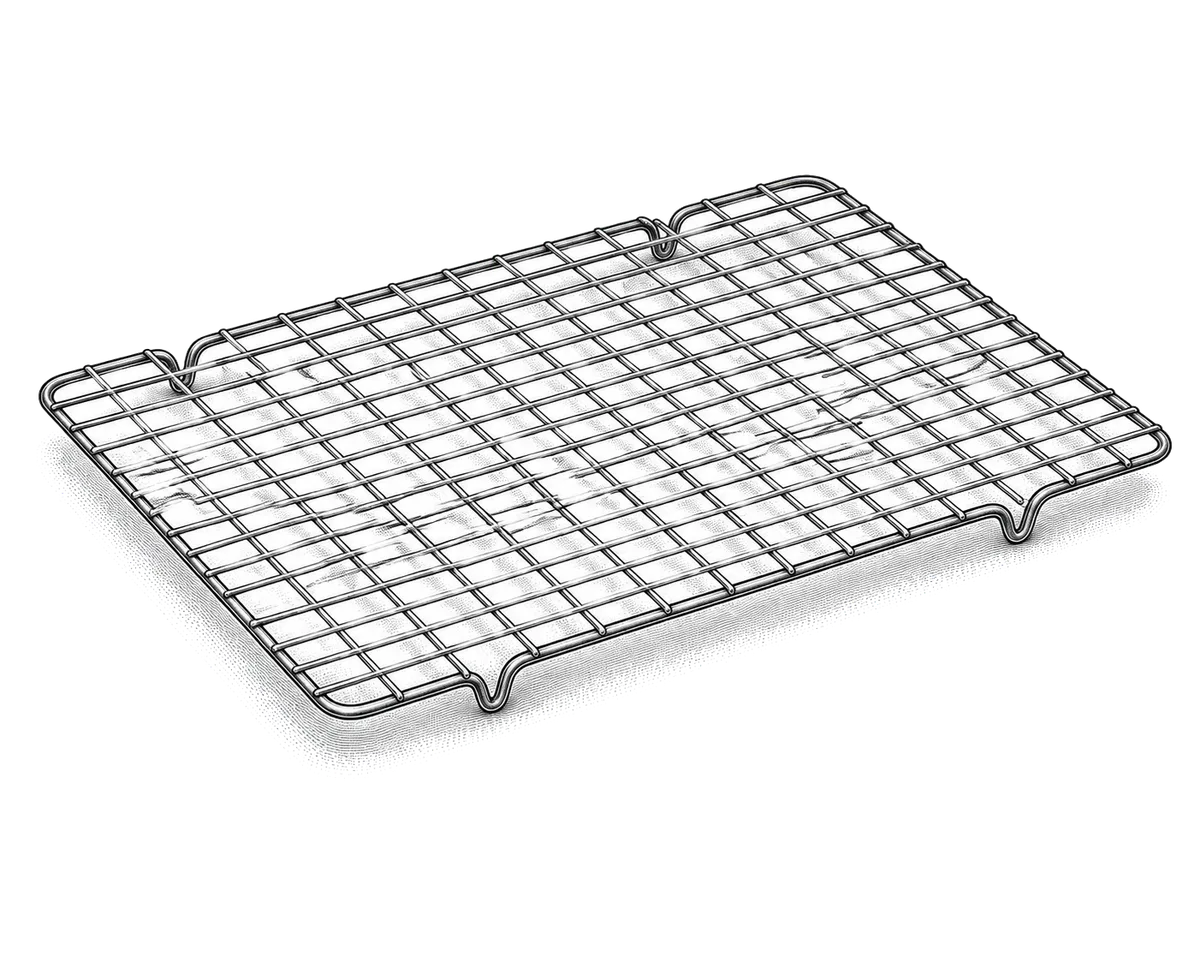
Set the ciabatta loaves on a wire rack to cool.
Leave them on the wire rack to cool for at least 30 minutes before tearing or slicing, so the crumb sets properly.
| # | Product | Tool | Action |
|---|---|---|---|
| 1 | 500 g | | Tip the flour into a large mixing bowl.⏱ 10sResultStrong white bread flour |
| 2 | 7 g | | Add the instant yeast to the flour.⏱ 5sResultStrong white bread flour and instant yeast |
| 3 | 10 g | | Add the salt to the flour, keeping it on the opposite side of the bowl from the yeast.⏱ 5sResultStrong white bread flour and instant yeast and fine salt |
| 4 | 375 ml | | Pour in the water.⏱ 10sResultStrong white bread flour mixture |
| 5 | 30 ml | | Pour in the olive oil.⏱ 5sResultStrong white bread flour mixture |
| 6 | — | | Stir everything together with a wooden spoon until no dry flour remains and you have a very sticky, shaggy dough.⏱ 1 minResultShaggy wet dough |
| 7 | — | | Lay a sheet of cling film directly over the bowl to seal it.⏱ 10s |
| 8 | — | | Leave the dough to rest at room temperature for 1 hour so the flour fully hydrates and gluten begins to develop.⏱ 1 hrResultRested ciabatta dough |
| 9 | — | | Wet your hand, reach down one side of the dough, pull it up as far as it will stretch without tearing and fold it over to the opposite side; turn the bowl a quarter-turn and repeat four times to complete one set of stretches and folds.⏱ 30sResultStretched dough |
| 10 | — | | Re-cover the bowl with the cling film.⏱ 5s |
| 11 | — | | Leave the dough to rest for 30 minutes.⏱ 30 minResultRested stretched dough |
| 12 | — | | Wet your hand again and perform a second set of four stretches and folds, turning the bowl a quarter-turn between each one.⏱ 30sResultTwice-stretched dough |
| 13 | — | | Re-cover the bowl with the cling film.⏱ 5s |
| 14 | — | | Leave the dough to rest for another 30 minutes.⏱ 30 minResultRested twice-stretched dough |
| 15 | — | | Wet your hand and perform a third and final set of four stretches and folds.⏱ 30sResultThrice-stretched dough |
| 16 | — | | Re-cover the bowl with the cling film.⏱ 5s |
| 17 | — | | Leave the dough to bulk-prove at room temperature for 1 hour, until it has grown noticeably and is full of bubbles.⏱ 1 hrResultBulk-proved doughused in step 20 |
| 18 | — | | Set the oven to 240 °C and let it heat fully for at least 30 minutes, with a baking tray inside so it gets searingly hot.⏱ 30 min |
| 19 | 15 g | | Scatter a generous coating of flour over a second baking tray so the dough will not stick when you tip it out.⏱ 10s |
| 20 | Bulk-proved doughstep 17 | | Flour your hands well, then gently ease the dough out of the bowl onto the floured tray in one rough rectangle — handle it as little as possible so you keep all the bubbles.⏱ 15sResultShaped ciabatta |
| 21 | — | | Use a well-floured dough scraper to cut the rectangle in half lengthways, giving you 2 long, rough loaves. → Into 2 equal portions⏱ 20sResultDivided ciabatta loaves |
| 22 | — | | Leave the loaves uncovered on the tray to prove for 20 minutes while the oven finishes heating.⏱ 20 minResultFinal-proved ciabatta loaves |
| 23 | — | | Slide the tray with the loaves into the oven using oven gloves, placing it directly on the preheated tray already inside.⏱ 10sResultFinal-proved ciabatta loaves |
| 24 | — | | Bake for 22 minutes until the loaves are deep golden brown and sound hollow when you tap the base.⏱ 22 minResultBaked ciabatta loaves |
| 25 | — | | Lift the tray out of the oven with oven gloves and set it on a heatproof surface.⏱ 10sResultBaked ciabatta loaves |
| 26 | Baked ciabatta loavesstep 25 | | Set the ciabatta loaves on a wire rack to cool.⏱ 15sResultBaked ciabatta loaves |
| 27 | — | | Leave them on the wire rack to cool for at least 30 minutes before tearing or slicing, so the crumb sets properly.⏱ 30 minResultCiabatta |
| Total Time | 4 hr 19 min | ||
A batch eaten a portion at a time — about 4 portions. Serve what is wanted now and keep the rest.
| Nutrient | Per serving |
|---|---|
| 535kcal | |
| 19g | |
| 9g | |
| 1g | |
| 95g | |
| 0.4g | |
| 4g | |
| 977mg |
Ciabatta
Italian ciabatta bread made with strong white flour, baked to golden crispness with an open, airy crumb structure. Serves 4.
What you’ll doYou will mix a very wet dough, then build strength through three sets of stretches and folds over 2 hours, bulk-prove until bubbly, shape into two loaves, and bake on a screaming-hot tray.
Ingredients
- Strong white bread flour515 g
- Instant yeast7 g
- Fine salt10 g
- Water375 ml
- Extra-virgin olive oil30 ml