
Croissants
Laminated croissants with layers of butter and strong white bread flour, enriched with egg and whole milk for a golden, flaky pastry.
 175ml
175ml 50ml
50ml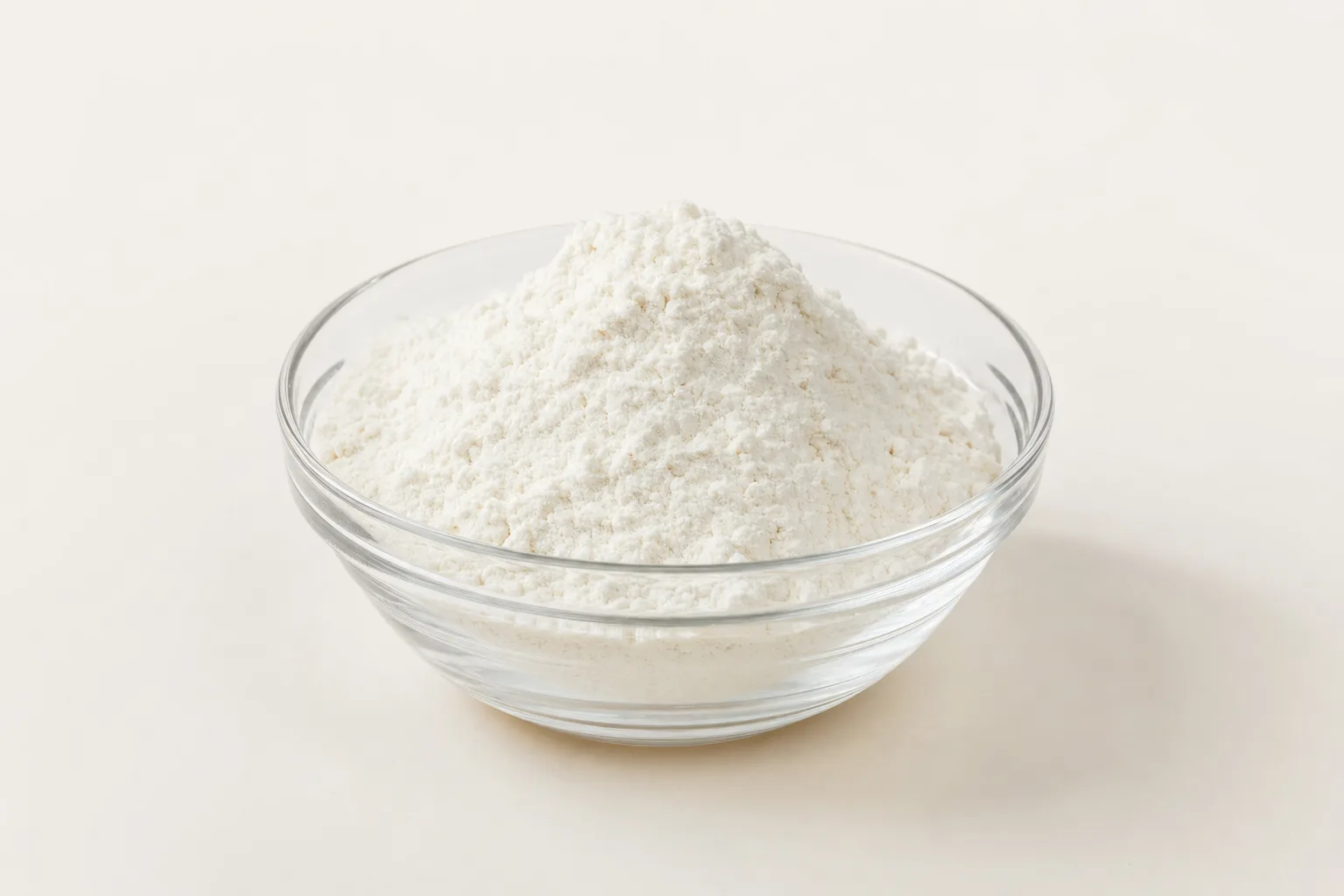 315g
315g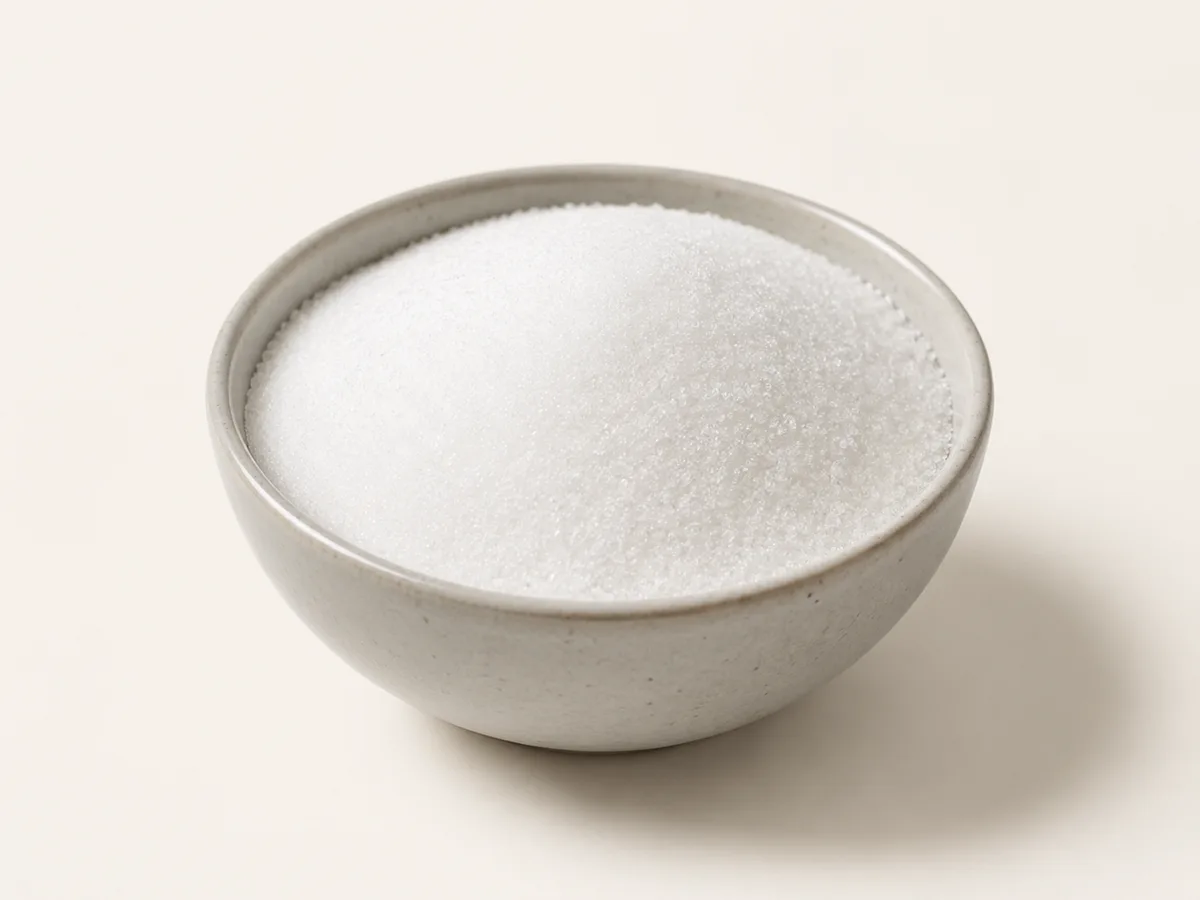 30g
30g 6g
6g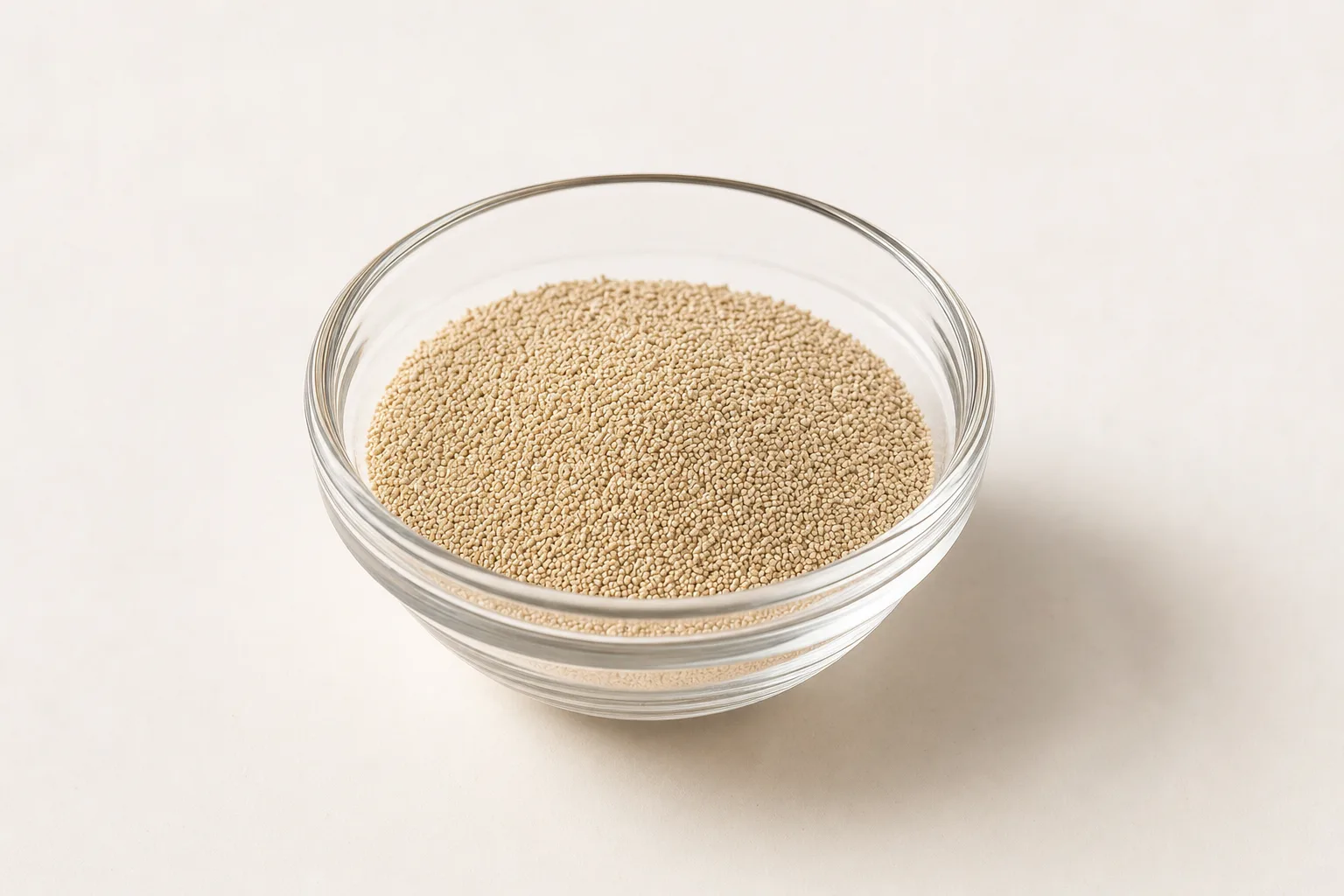 7g
7g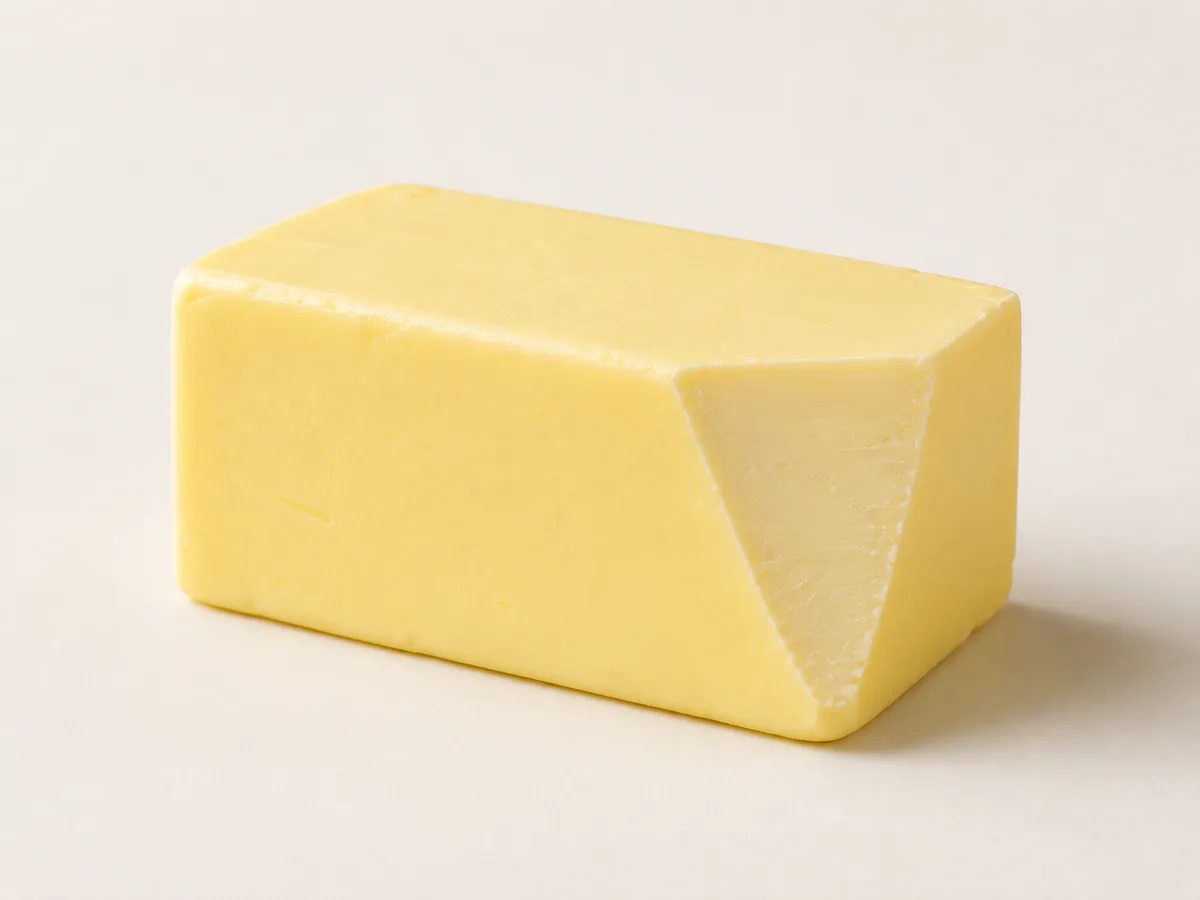 175g
175g 1piece
| # | Product | Quantity | Notes | State | |
|---|---|---|---|---|---|
| 1 | | 175ml | — | — | |
| 2 | | 50ml | — | — | |
| 3 | | 315g | — | — | |
| 4 | | 30g | — | — | |
| 5 | | 6g | — | — | |
| 6 | | 7g | — | — | |
| 7 | | 175g | — | — | |
| 8 | | 1piece | — | — |
Pour the milk into a small saucepan.
Whole milk · 175 ml
Add the water to the milk in the saucepan.
Water · 50 mlWarm the milk over a low heat until it is just lukewarm — about body temperature — then remove the pan from the heat.
Weigh the flour into a large mixing bowl.
Strong white bread flour · 300 g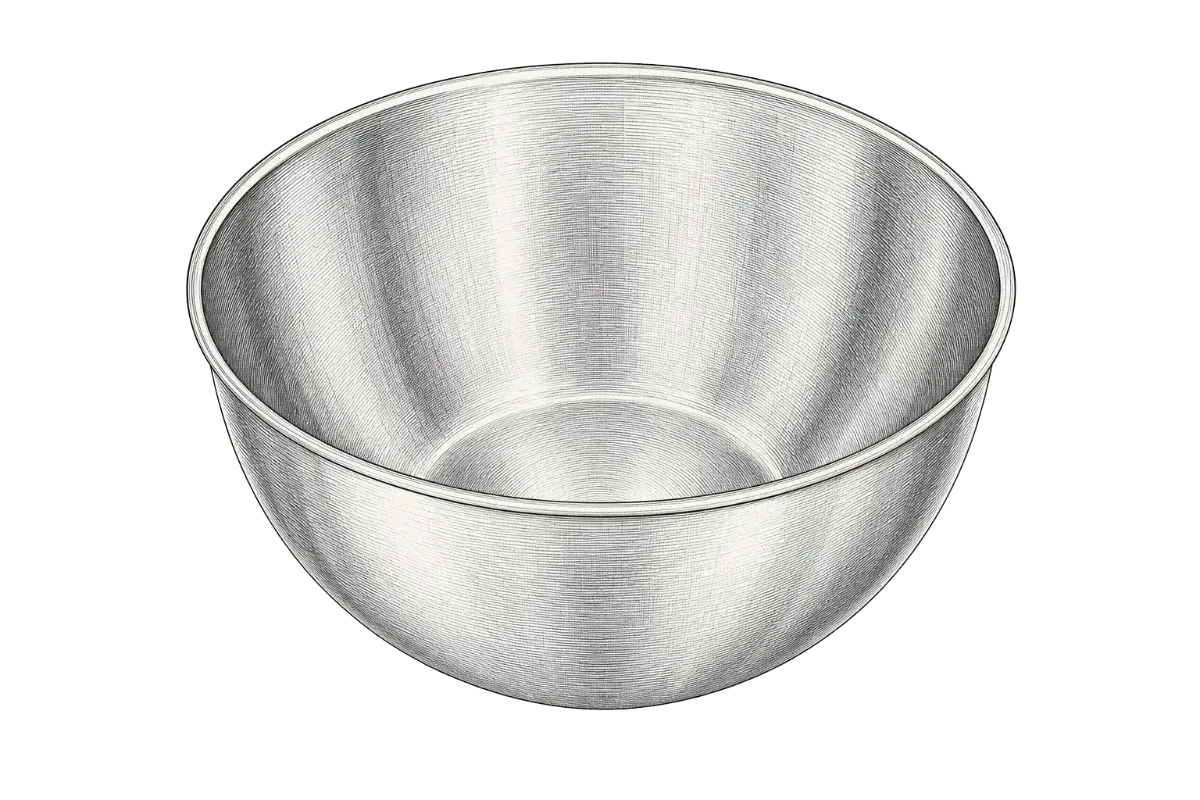
Add the caster sugar to the flour.
Caster sugar · 30 gAdd the fine salt to the bowl, keeping it on the opposite side of the bowl from the yeast you are about to add.
Fine salt · 6 gAdd the fast-action dried yeast to the flour on the side away from the salt.
Fast-action dried yeast · 7 gPour the lukewarm milk and water into the flour mixture.
Stir everything together with a wooden spoon until a shaggy dough forms and no dry flour remains.

Turn the shaggy dough out of the bowl onto the counter.
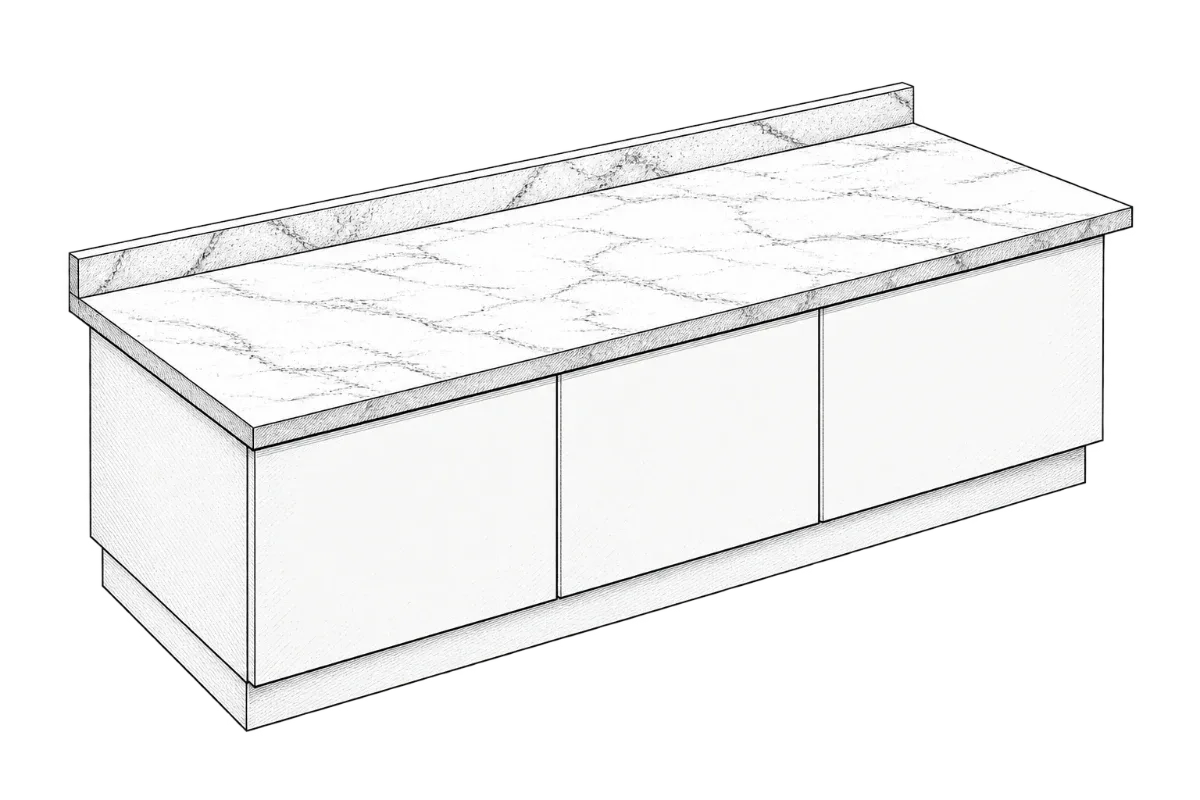
Knead the dough firmly by pushing the heel of your hand forward, folding the dough back, and turning it a quarter-turn each time until the dough is smooth and only slightly tacky, about 5 minutes — do not add flour; this dough should stay soft.
Cup the smooth dough in both hands, shape it into a neat ball, and drop it back into the large mixing bowl.
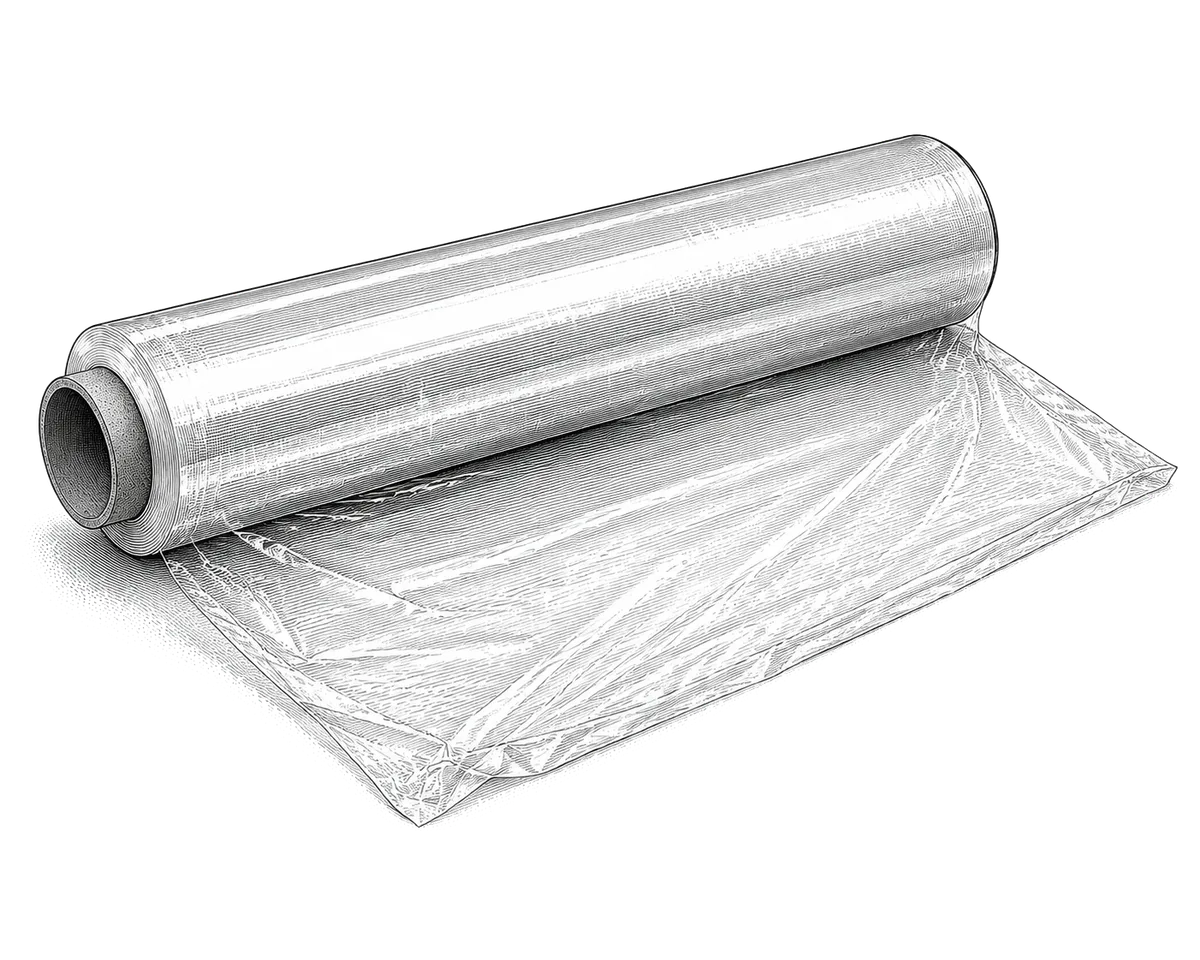
Stretch a sheet of cling film tightly over the top of the bowl to seal it.
Place the covered bowl in the refrigerator.
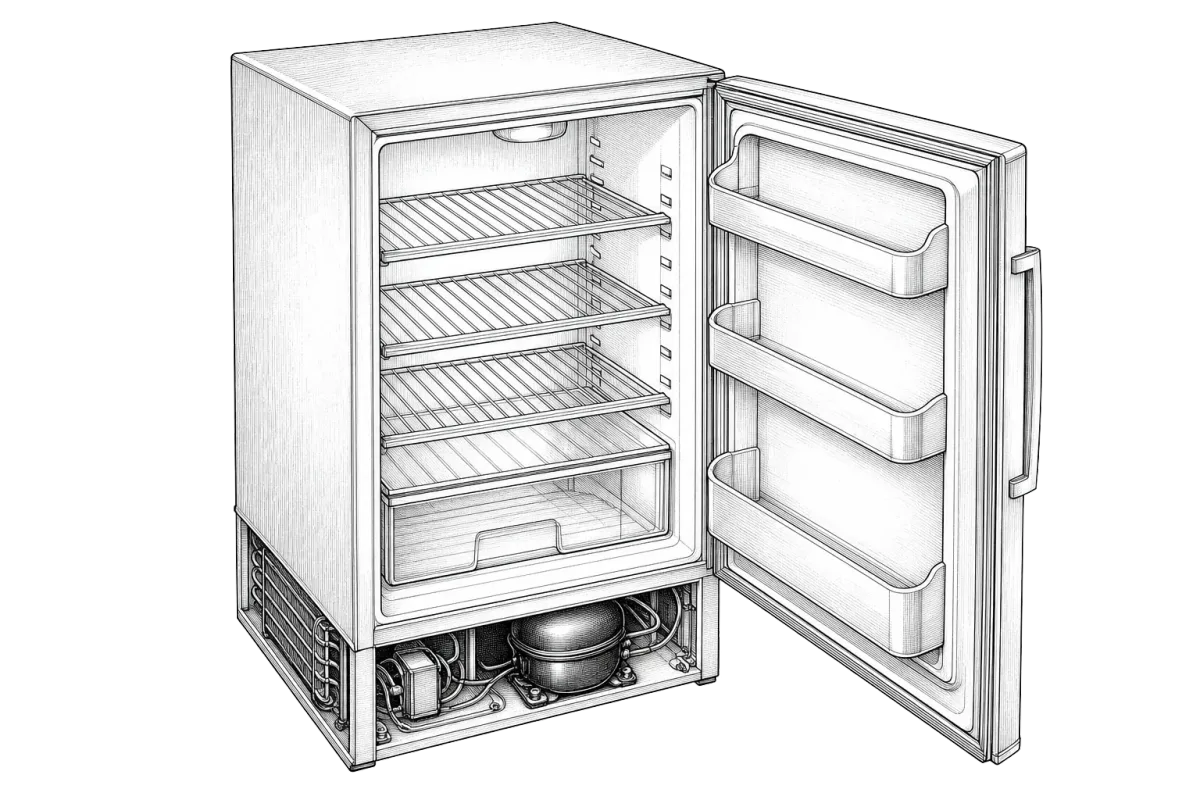
Leave the dough to rest in the refrigerator for at least 1 hour so it firms up and relaxes.
Place the cold butter on the counter between two sheets of cling film.
Unsalted butter · 175 gBeat the butter with the rolling pin, then roll it out into a rough 15 cm square slab — it should be pliable but still cold; if it softens too much, slide it onto a plate and chill briefly.
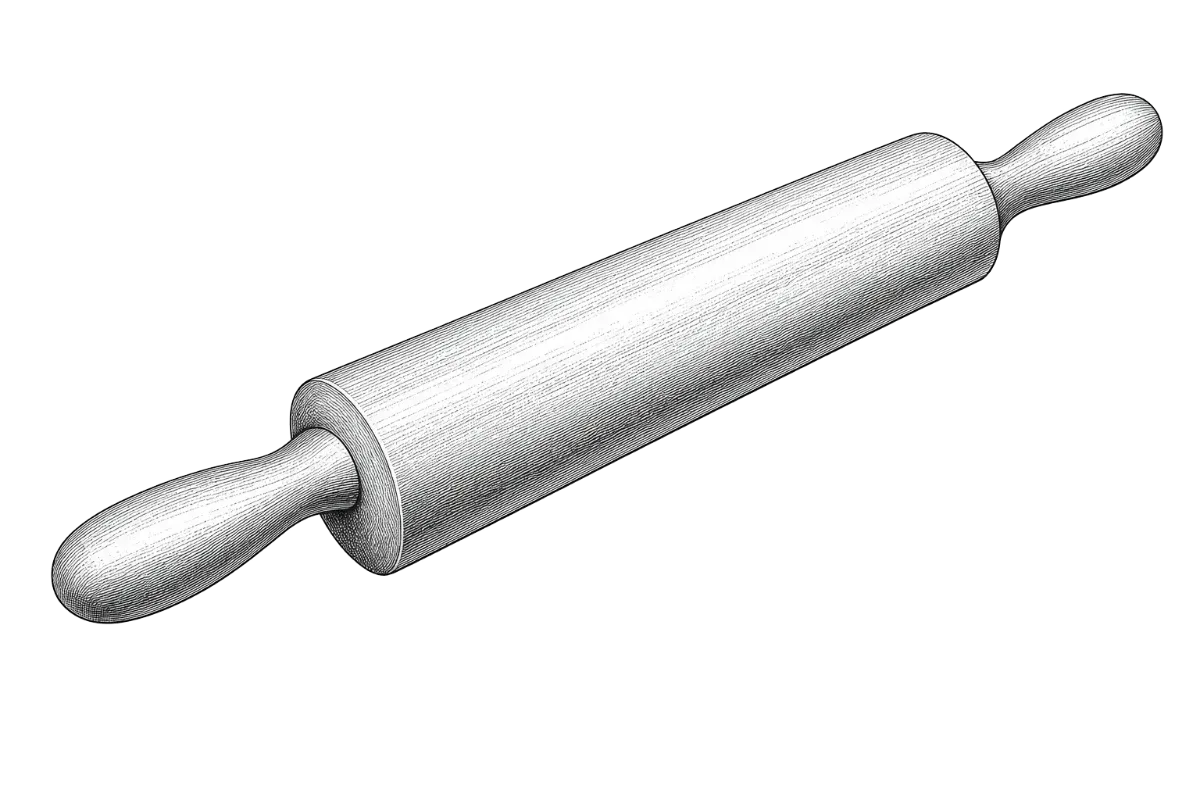
Unwrap the chilled dough and roll it on the lightly floured counter into a rectangle roughly 30 cm × 20 cm, keeping the edges as straight as you can.
Strong white bread flour · 15 gChilled dough · step 16Lay the butter block in the centre of the dough rectangle, then fold the two short ends of the dough over the butter so they meet in the middle and pinch all the edges firmly to seal the butter completely inside.
Roll the butter-enclosed dough away from you into a long rectangle, about 45 cm × 20 cm, using firm, even pressure and working quickly to keep the butter cold.
Fold the bottom third of the dough up and the top third down over it, like a business letter, giving you three layers, then turn the package 90 degrees so the open edge faces you — this is one turn.
Wrap the folded dough tightly in cling film, enclosing it completely so no air can reach the surface.
Place the wrapped dough in the refrigerator.
Leave the dough to rest in the refrigerator for 30 minutes so the butter firms back up and the gluten relaxes.
Take the dough out of the refrigerator.
Unwrap the dough and roll it out again into a 45 cm × 20 cm rectangle, then fold it in thirds as before and turn it 90 degrees.
Wrap the twice-folded dough tightly in cling film again, making sure all edges are sealed.
Place the wrapped dough back in the refrigerator.
Rest the dough in the refrigerator for another 30 minutes.
Remove the dough from the refrigerator.
Unwrap the dough and roll it out into a 45 cm × 20 cm rectangle for the third and final turn, then fold in thirds and turn 90 degrees.
Wrap the finished dough tightly in cling film, sealing it completely before its final rest.
Place the wrapped dough in the refrigerator for its final rest.
Chill the dough in the refrigerator for a final 30 minutes before shaping.
Take the fully laminated dough out of the refrigerator.
Cut the rectangle into 8 long, thin triangles by first cutting it in half lengthways, then cutting each strip into 4 triangles with diagonal cuts.

Line the baking tray with a sheet of baking paper.
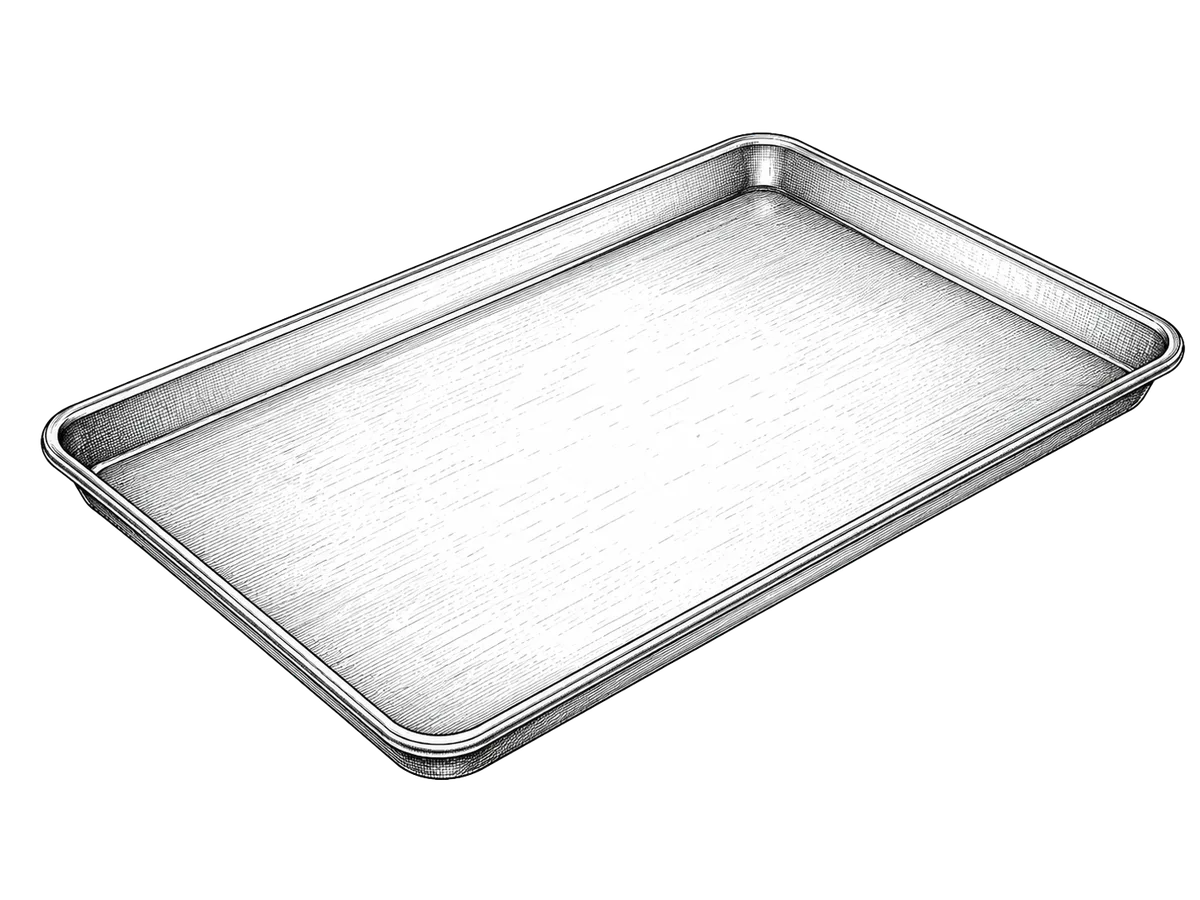
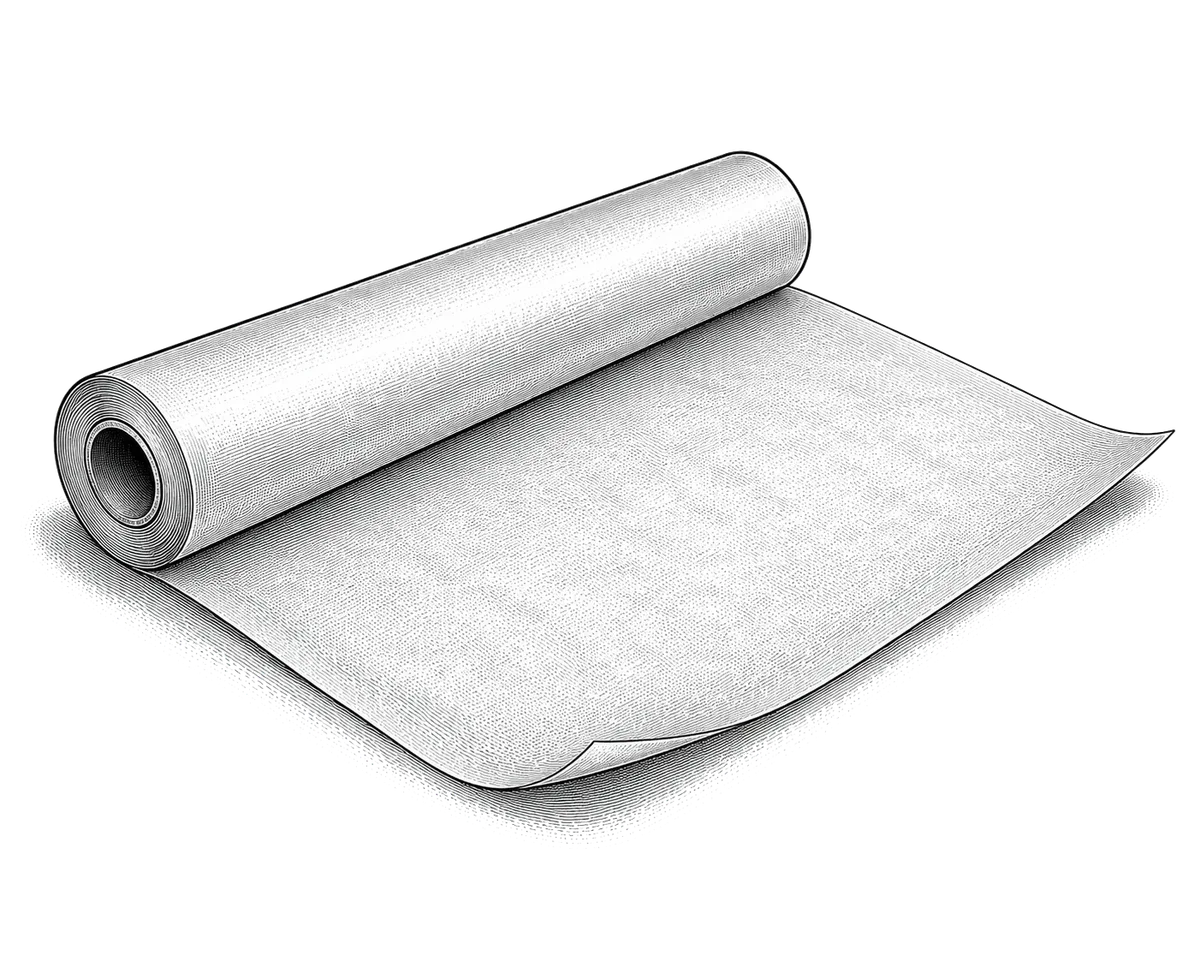
Working with one triangle at a time, stretch it gently lengthways, then roll it up firmly from the wide base toward the tip, curling the ends inward slightly to form a crescent, and place each one on the lined baking tray.
Space the croissants well apart on the tray, leaving room for them to rise.
Slide the tray of shaped croissants into the refrigerator.
Leave the croissants to prove in the refrigerator overnight, or for at least 2 hours, until they are noticeably puffed and wobble gently when the tray is shaken.
Remove the tray from the refrigerator and let the croissants sit at room temperature while the oven heats.
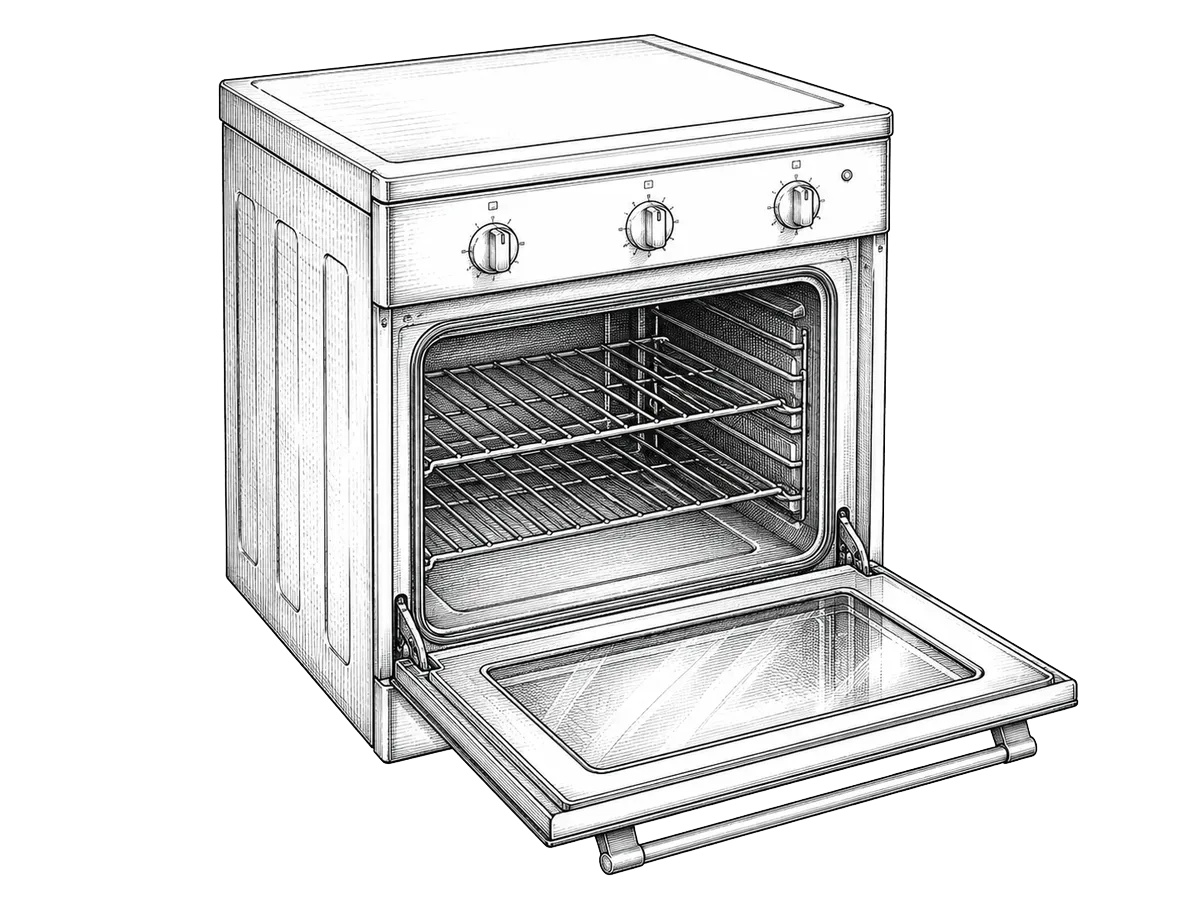
Heat the oven to 200 °C.
Crack the egg into a small bowl.
Egg · 1 piece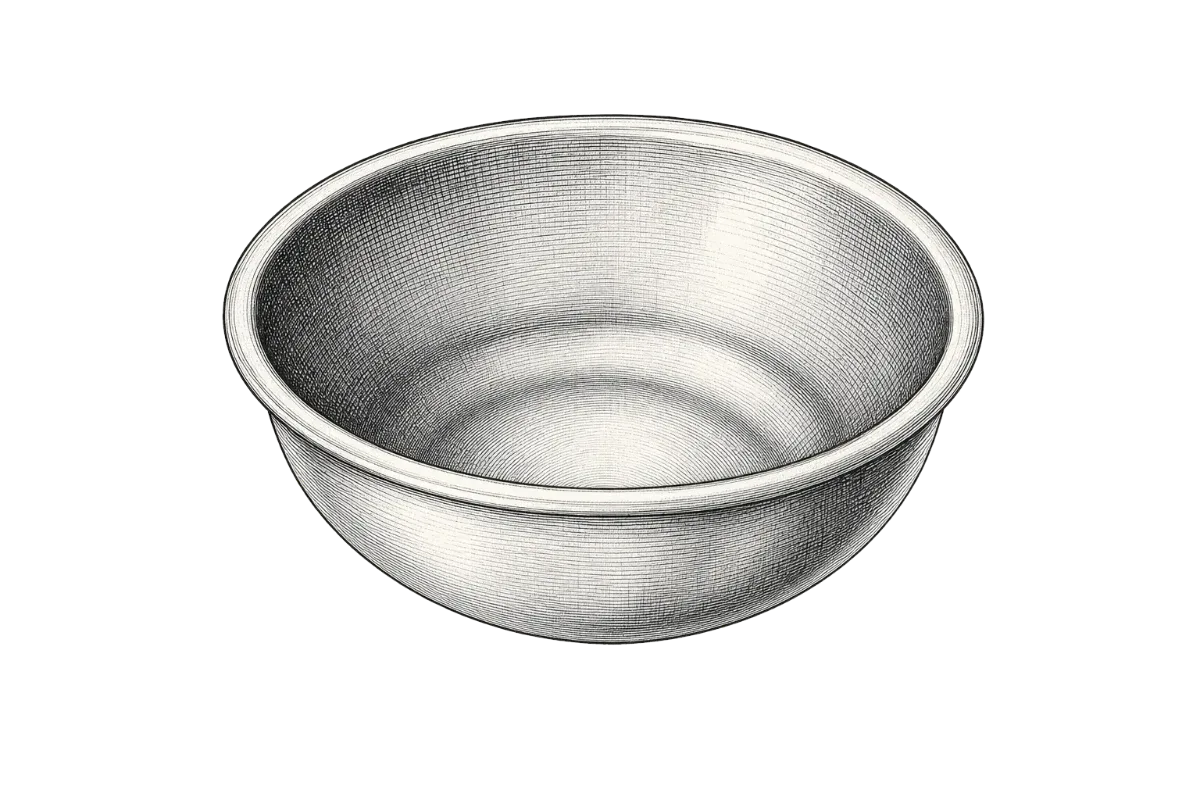
Beat the egg with a fork until the yolk and white are fully combined.

Brush the egg wash lightly and evenly over the surface of each croissant, avoiding the cut layers on the sides so they can open and puff freely.

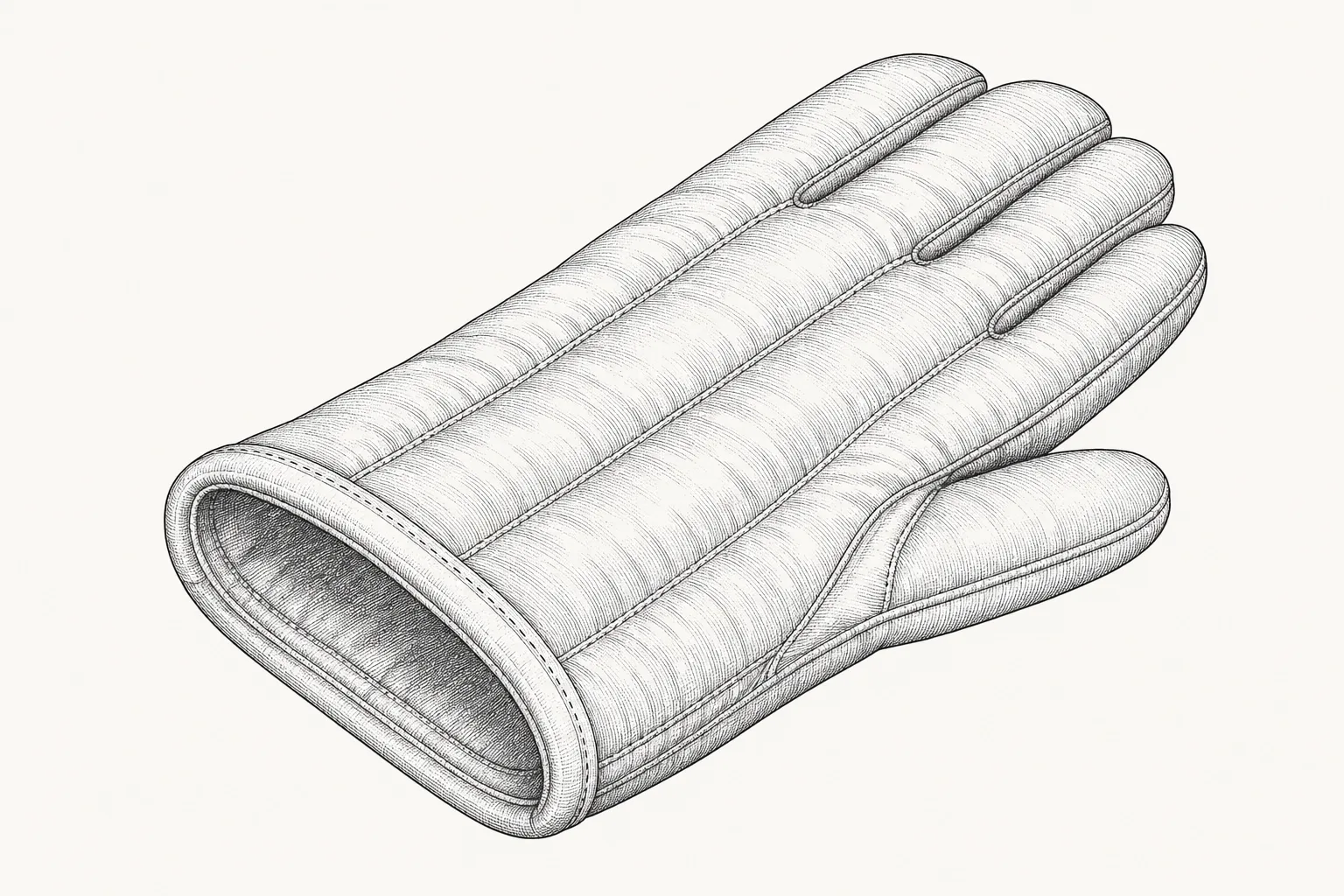
Slide the baking tray into the oven using oven gloves.
Bake the croissants for 18 to 20 minutes until they are a deep golden brown all over and feel hollow when tapped on the base.
Lift the tray out of the oven using oven gloves and set it on a heatproof surface.
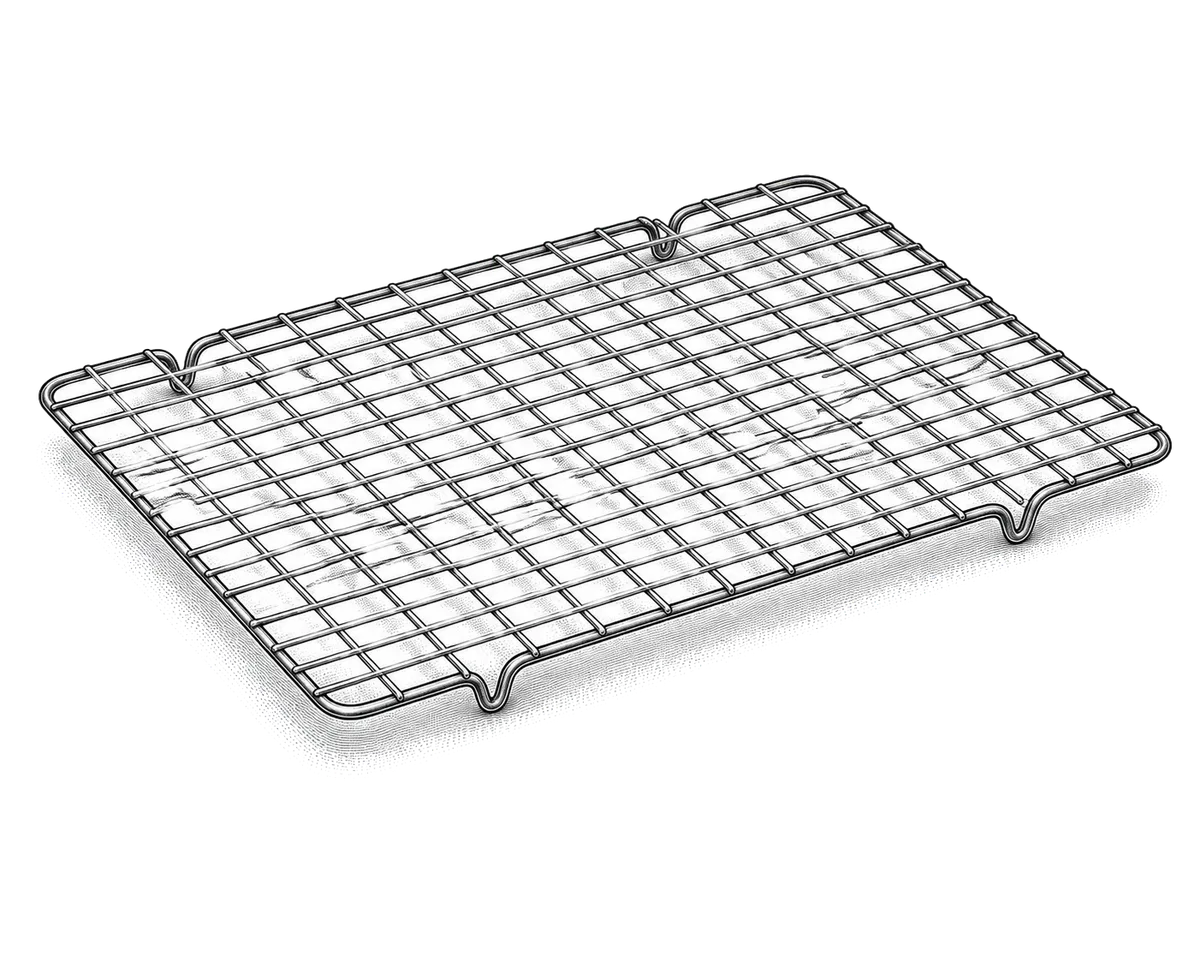
Set the croissants on a wire rack and leave them for at least 10 minutes — the layers continue to set as they cool.
| # | Product | Tool | Action |
|---|---|---|---|
| 1 | 175 ml | | Pour the milk into a small saucepan.⏱ 10sResultWhole milk |
| 2 | 50 ml | | Add the water to the milk in the saucepan.⏱ 8sResultWhole milk and water |
| 3 | — | | Warm the milk over a low heat until it is just lukewarm — about body temperature — then remove the pan from the heat.⏱ 1 min 30sResultLukewarm milkused in step 8 |
| 4 | 300 g | | Weigh the flour into a large mixing bowl.⏱ 10sResultStrong white bread flour |
| 5 | 30 g | | Add the caster sugar to the flour.⏱ 8sResultStrong white bread flour and caster sugar |
| 6 | 6 g | | Add the fine salt to the bowl, keeping it on the opposite side of the bowl from the yeast you are about to add.⏱ 8sResultStrong white bread flour and caster sugar and fine salt |
| 7 | 7 g | | Add the fast-action dried yeast to the flour on the side away from the salt.⏱ 8sResultStrong white bread flour mixture |
| 8 | Lukewarm milkstep 3 | | Pour the lukewarm milk and water into the flour mixture.⏱ 10sResultStrong white bread flour mixture |
| 9 | — | | Stir everything together with a wooden spoon until a shaggy dough forms and no dry flour remains.⏱ 30sResultShaggy dough |
| 10 | Shaggy doughstep 9 | | Turn the shaggy dough out of the bowl onto the counter.⏱ 10sResultShaggy dough |
| 11 | — | | Knead the dough firmly by pushing the heel of your hand forward, folding the dough back, and turning it a quarter-turn each time until the dough is smooth and only slightly tacky, about 5 minutes — do not add flour; this dough should stay soft.⏱ 5 minResultSmooth dough |
| 12 | Smooth doughstep 11 | | Cup the smooth dough in both hands, shape it into a neat ball, and drop it back into the large mixing bowl.⏱ 10sResultSmooth dough |
| 13 | — | | Stretch a sheet of cling film tightly over the top of the bowl to seal it.⏱ 10s |
| 14 | — | | Place the covered bowl in the refrigerator.⏱ 15sResultSmooth dough ball |
| 15 | — | | Leave the dough to rest in the refrigerator for at least 1 hour so it firms up and relaxes.⏱ 1 hrResultChilled dough |
| 16 | — | | Take the bowl out of the refrigerator.⏱ 10sResultChilled doughused in step 19 |
| 17 | 175 g | | Place the cold butter on the counter between two sheets of cling film.⏱ 10sResultUnsalted butter |
| 18 | — | | Beat the butter with the rolling pin, then roll it out into a rough 15 cm square slab — it should be pliable but still cold; if it softens too much, slide it onto a plate and chill briefly.⏱ 2 minResultButter block |
| 19 | 15 g | | Unwrap the chilled dough and roll it on the lightly floured counter into a rectangle roughly 30 cm × 20 cm, keeping the edges as straight as you can.⏱ 3 minResultRolled dough rectangle |
| Chilled doughstep 16 | |||
| 20 | — | | Lay the butter block in the centre of the dough rectangle, then fold the two short ends of the dough over the butter so they meet in the middle and pinch all the edges firmly to seal the butter completely inside.⏱ 30sResultButter-enclosed dough |
| 21 | — | | Roll the butter-enclosed dough away from you into a long rectangle, about 45 cm × 20 cm, using firm, even pressure and working quickly to keep the butter cold.⏱ 2 minResultLaminated dough — first turn |
| 22 | — | | Fold the bottom third of the dough up and the top third down over it, like a business letter, giving you three layers, then turn the package 90 degrees so the open edge faces you — this is one turn.⏱ 30sResultLetter-folded dough — first turn |
| 23 | — | | Wrap the folded dough tightly in cling film, enclosing it completely so no air can reach the surface.⏱ 20s |
| 24 | — | | Place the wrapped dough in the refrigerator.⏱ 10sResultLetter-folded dough — first turn |
| 25 | — | | Leave the dough to rest in the refrigerator for 30 minutes so the butter firms back up and the gluten relaxes.⏱ 30 minResultChilled dough — first turn |
| 26 | — | | Take the dough out of the refrigerator.⏱ 10sResultChilled dough — first turn |
| 27 | — | | Unwrap the dough and roll it out again into a 45 cm × 20 cm rectangle, then fold it in thirds as before and turn it 90 degrees.⏱ 2 minResultLaminated dough — second turn |
| 28 | — | | Wrap the twice-folded dough tightly in cling film again, making sure all edges are sealed.⏱ 20s |
| 29 | — | | Place the wrapped dough back in the refrigerator.⏱ 10sResultLaminated dough — second turn |
| 30 | — | | Rest the dough in the refrigerator for another 30 minutes.⏱ 30 minResultChilled dough — second turn |
| 31 | — | | Remove the dough from the refrigerator.⏱ 10sResultChilled dough — second turn |
| 32 | — | | Unwrap the dough and roll it out into a 45 cm × 20 cm rectangle for the third and final turn, then fold in thirds and turn 90 degrees.⏱ 2 minResultLaminated dough — third turn |
| 33 | — | | Wrap the finished dough tightly in cling film, sealing it completely before its final rest.⏱ 20s |
| 34 | — | | Place the wrapped dough in the refrigerator for its final rest.⏱ 10sResultLaminated dough — third turn |
| 35 | — | | Chill the dough in the refrigerator for a final 30 minutes before shaping.⏱ 30 minResultFully laminated croissant dough |
| 36 | — | | Take the fully laminated dough out of the refrigerator.⏱ 10sResultDough triangles |
| 37 | — | | Cut the rectangle into 8 long, thin triangles by first cutting it in half lengthways, then cutting each strip into 4 triangles with diagonal cuts. → Into 8 equal portions⏱ 1 minResultDough triangles |
| 38 | — | | Line the baking tray with a sheet of baking paper.⏱ 20s |
| 39 | — | | Working with one triangle at a time, stretch it gently lengthways, then roll it up firmly from the wide base toward the tip, curling the ends inward slightly to form a crescent, and place each one on the lined baking tray.⏱ 3 minResultShaped raw croissants |
| 40 | Shaped raw croissantsstep 39 | | Space the croissants well apart on the tray, leaving room for them to rise.⏱ 30sResultShaped raw croissants |
| 41 | — | | Slide the tray of shaped croissants into the refrigerator.⏱ 15sResultShaped raw croissants |
| 42 | — | | Leave the croissants to prove in the refrigerator overnight, or for at least 2 hours, until they are noticeably puffed and wobble gently when the tray is shaken.⏱ 2 hrResultProved croissants |
| 43 | — | | Remove the tray from the refrigerator and let the croissants sit at room temperature while the oven heats.⏱ 10sResultProved croissants |
| 44 | — | | Heat the oven to 200 °C.⏱ 15 min |
| 45 | 1 piece | | Crack the egg into a small bowl.⏱ 10sResultEgg |
| 46 | — | | Beat the egg with a fork until the yolk and white are fully combined.⏱ 20sResultBeaten egg |
| 47 | Beaten eggstep 46 | | Brush the egg wash lightly and evenly over the surface of each croissant, avoiding the cut layers on the sides so they can open and puff freely.⏱ 1 minResultEgg-washed croissants |
| 48 | — | | Slide the baking tray into the oven using oven gloves.⏱ 20sResultEgg-washed croissants |
| 49 | — | | Bake the croissants for 18 to 20 minutes until they are a deep golden brown all over and feel hollow when tapped on the base.⏱ 20 minResultBaked croissants |
| 50 | — | | Lift the tray out of the oven using oven gloves and set it on a heatproof surface.⏱ 15sResultBaked croissants |
| 51 | Baked croissantsstep 50 | | Set the croissants on a wire rack and leave them for at least 10 minutes — the layers continue to set as they cool.⏱ 10 minResultBaked croissants |
| Total Time | 5 hr 36 min | ||
A batch eaten a portion at a time — about 4 portions. Serve what is wanted now and keep the rest.
- Move the croissants from the rack to a serving board and bring them to the table.
| Nutrient | Per serving |
|---|---|
| 680kcal | |
| 15g | |
| 40g | |
| 24g | |
| 68g | |
| 10g | |
| 2g | |
| 632mg |
Croissants
Laminated croissants with layers of butter and strong white bread flour, enriched with egg and whole milk for a golden, flaky pastry.
What you’ll doYou will mix a soft dough, rest it cold, then perform three separate folds of butter into the dough with chilling between each fold to build the laminated layers. After a final rest, you will shape the dough into triangles, roll them into crescents, and proof them cold overnight or for at least two hours until visibly puffed. You will then brush them with egg wash and bake until deeply golden and hollow.

Ingredients
- Whole milk175 ml
- Water50 ml
- Strong white bread flour315 g
- Caster sugar30 g
- Fine salt6 g
- Fast-action dried yeast7 g
- Unsalted butter175 g
- Egg1 piece