
Homemade Feta Cheese
Traditional homemade feta made from sheep's milk, cultured and set with rennet, then brined for a firm, tangy cheese. Requires 24–48 hours of draining and brining after 45 minutes of active work.
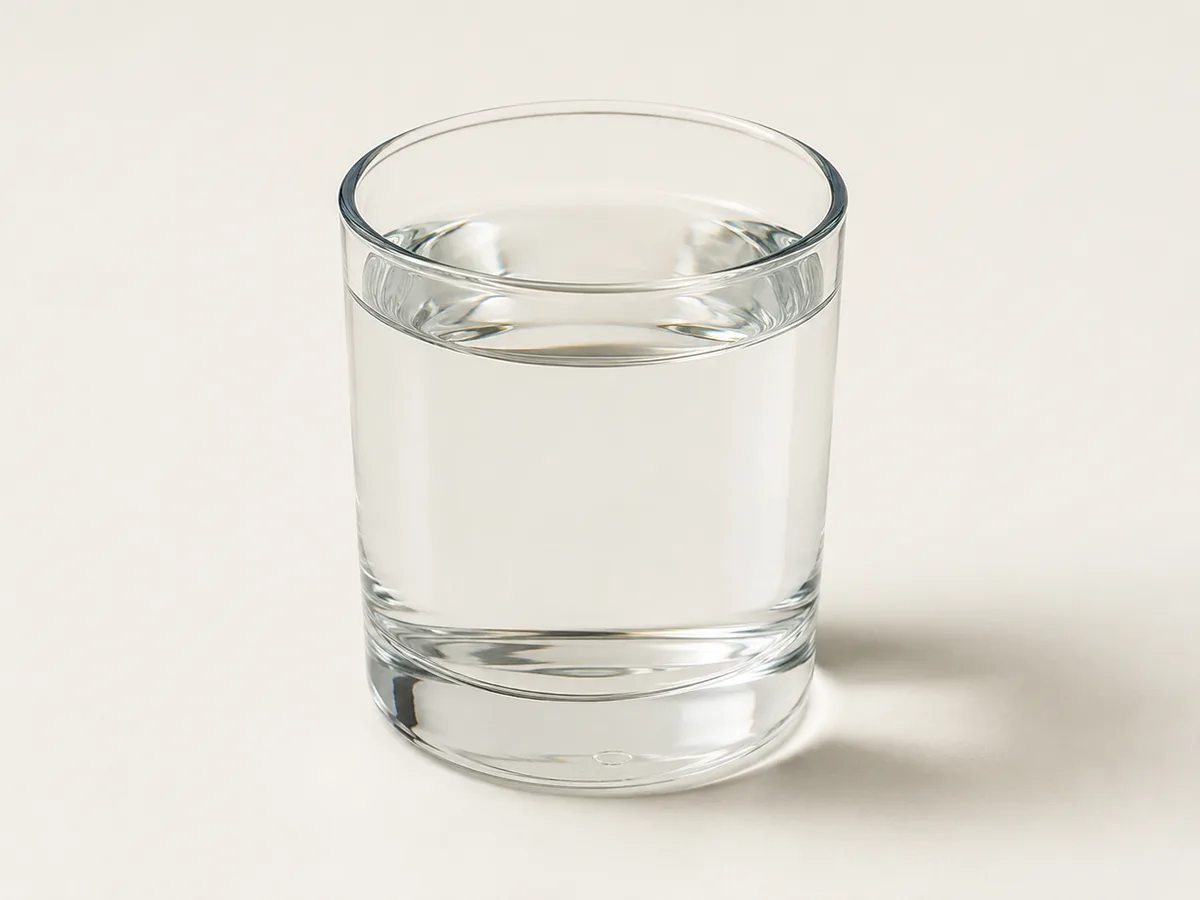 1.06l
1.06l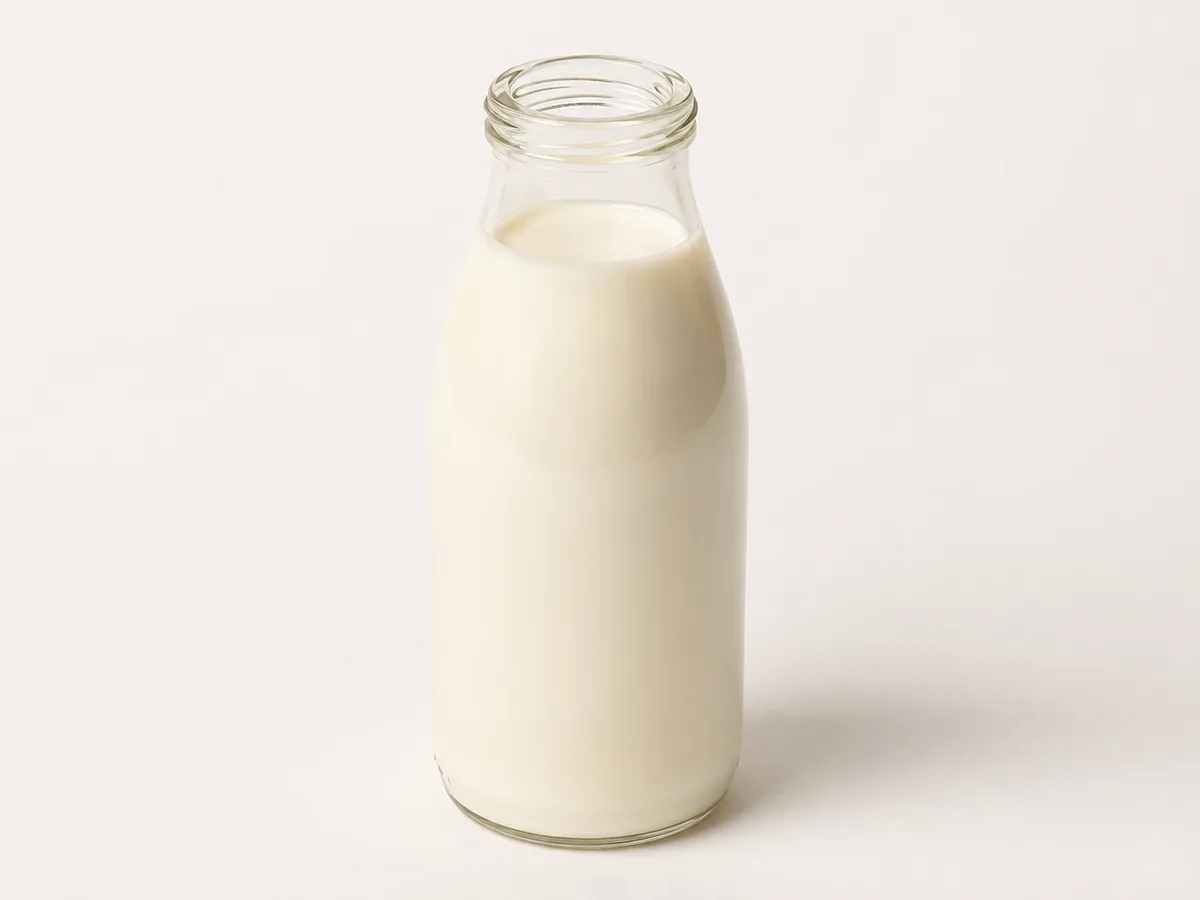 4l
4l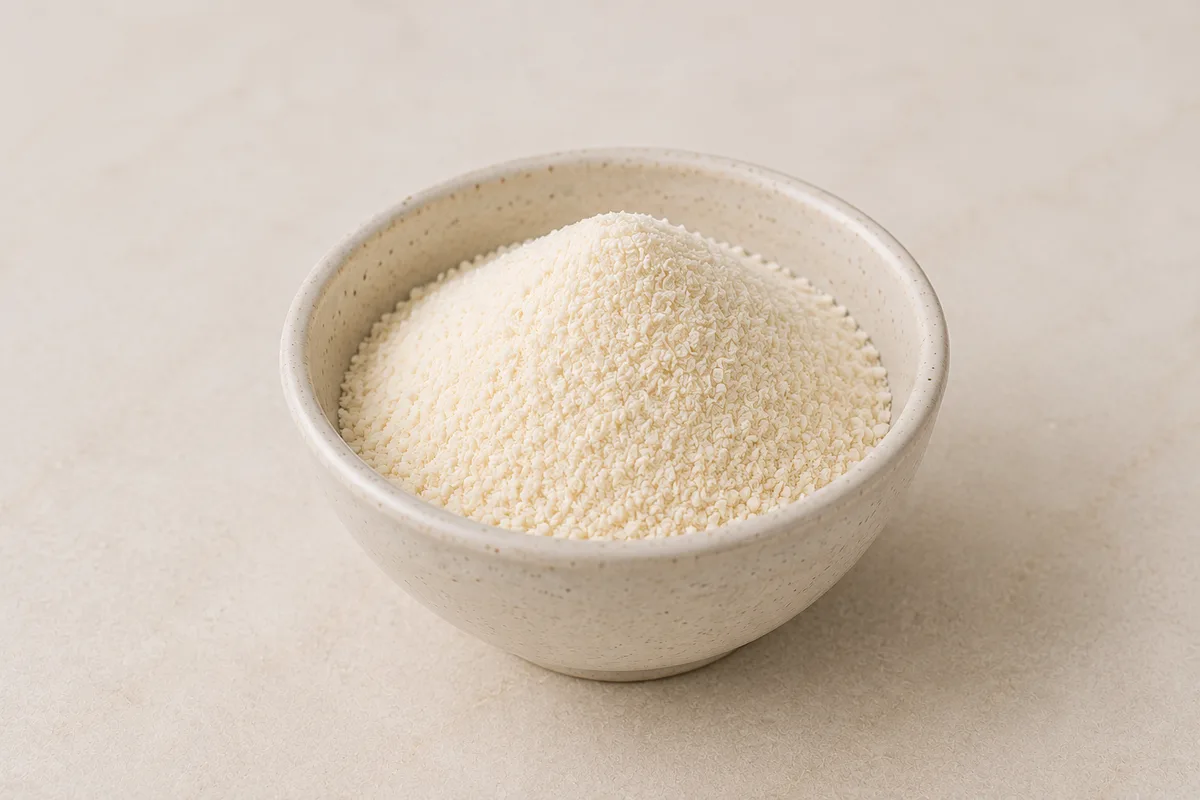 0.25tsp
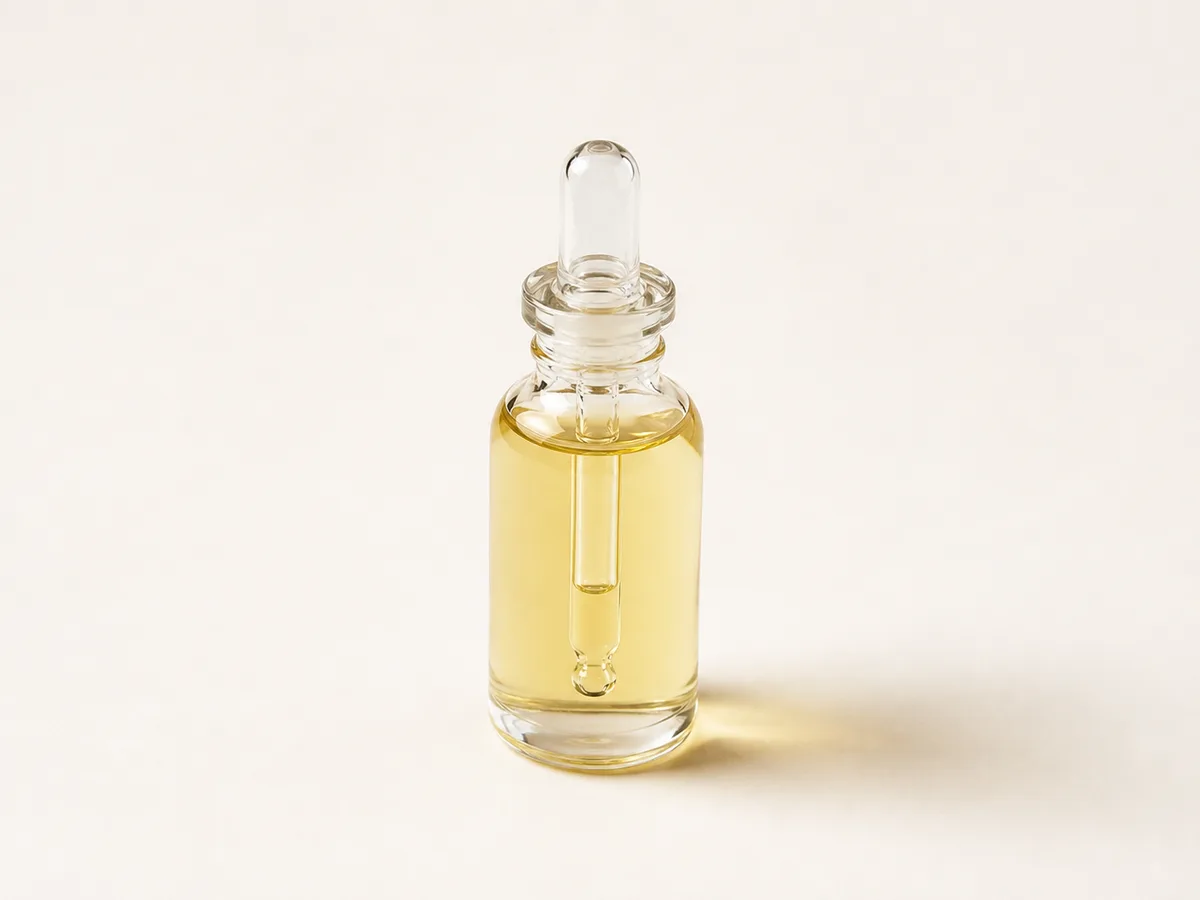 0.5tsp
 60g
60g| # | Product | Quantity | Notes | State | |
|---|---|---|---|---|---|
| 1 | | 1.06l | — | — | |
| 2 | | 4l | — | — | |
| 3 | | 0.25tsp | — | — | |
| 4 | | 0.5tsp | — | — | |
| 5 | | 60g | — | — |
Pour enough water into the large heavy-based saucepan to fill it partway, then bring it to a boil and swirl to sterilise the interior, discarding the water once done.
Non-chlorinated water · 0.5 l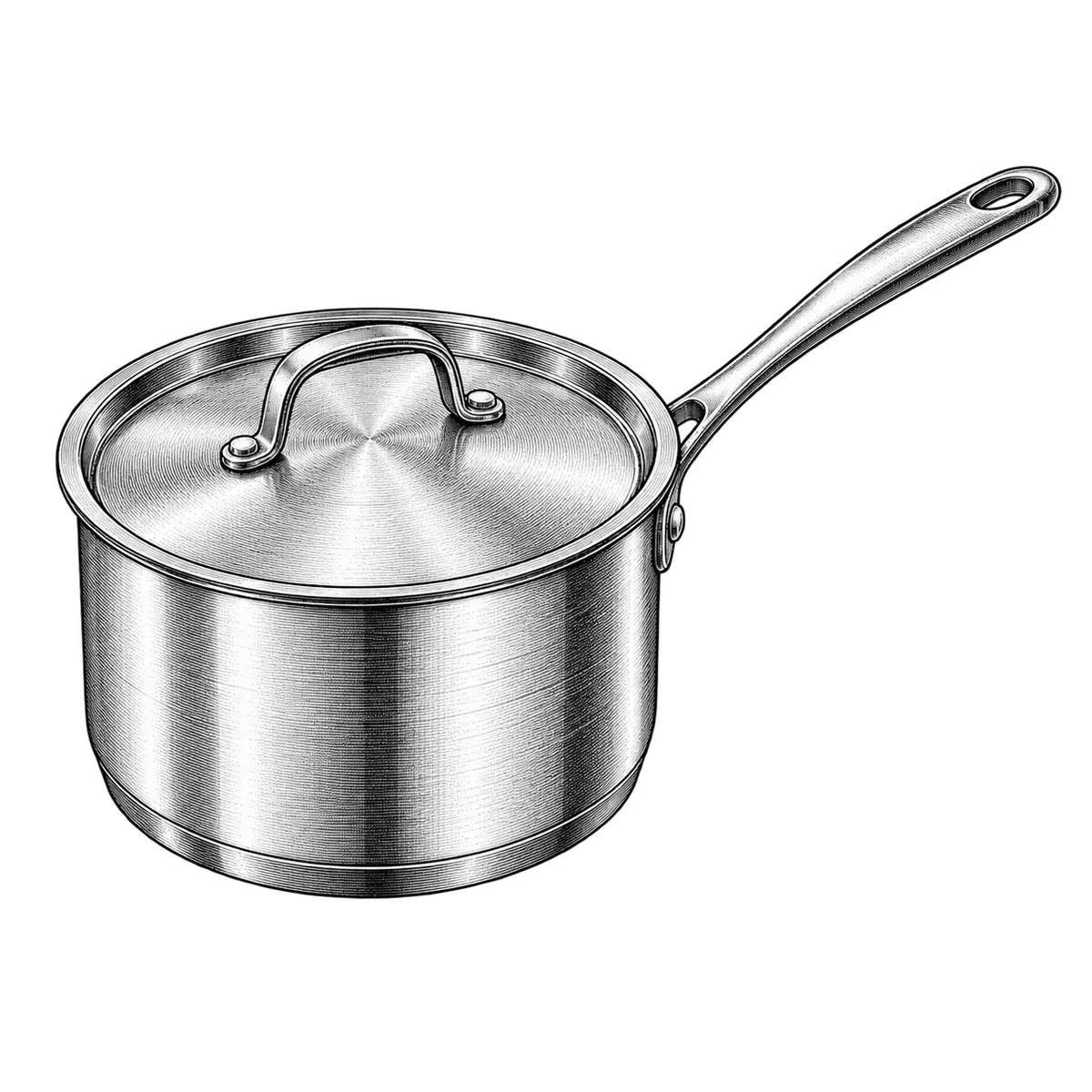
Set the sterilised pot aside and allow it to cool until it is safe to handle.
Pour the sheep's milk into the sterilised saucepan.
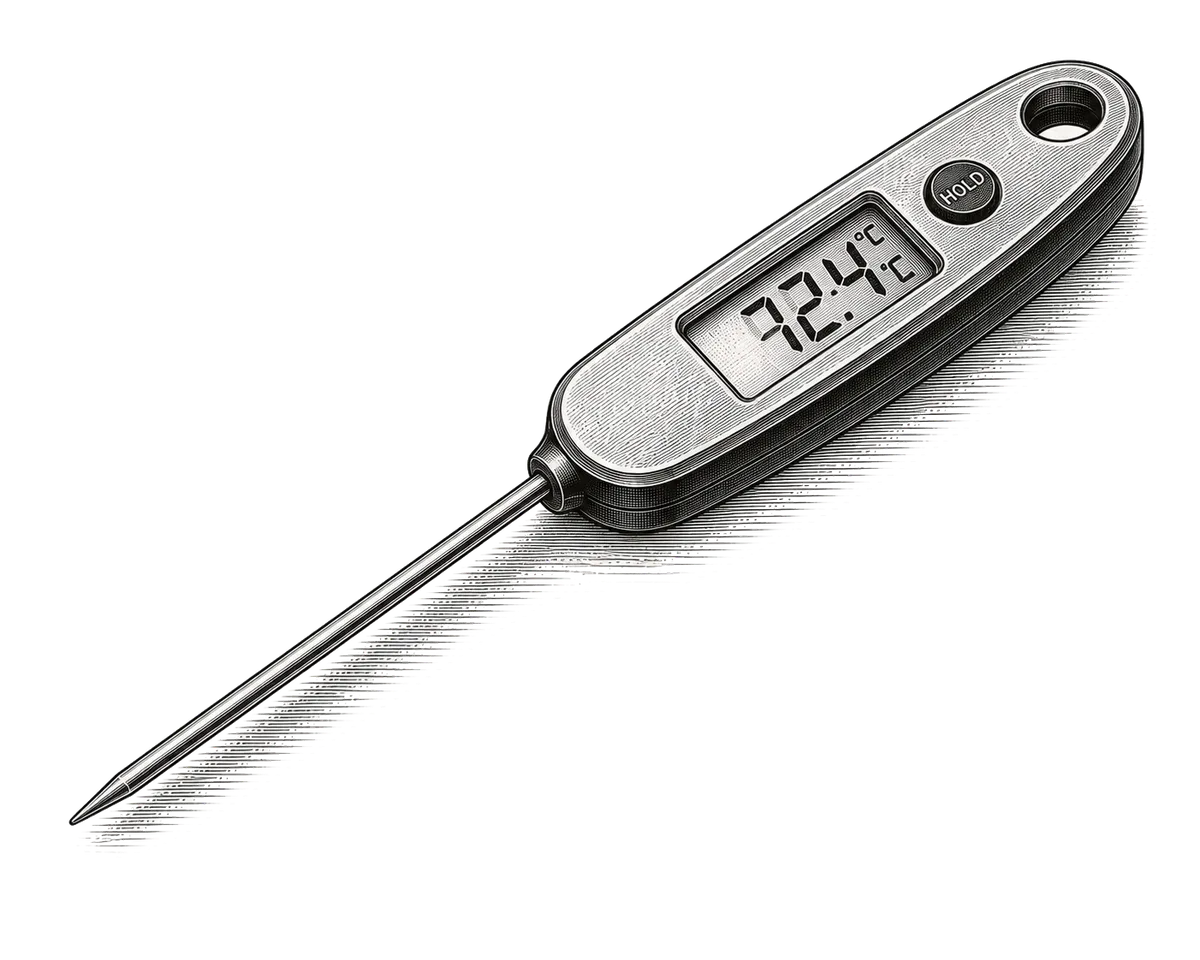
Full-fat sheep's milk · 4 lPlace the saucepan over a medium-low heat and warm the milk to 32 °C, stirring gently and checking with a thermometer.
Lift the saucepan off the heat and set it on the kitchen counter.
Sprinkle the mesophilic starter culture over the surface of the warm milk.
Mesophilic starter culture · 0.25 tspLeave the culture to rehydrate on the surface of the milk for 2 minutes without stirring.
Stir the culture into the milk using slow, gentle up-and-down strokes to distribute it evenly.
Cover the saucepan with its lid and leave the milk to culture at room temperature for 1 hour.
Measure the liquid animal rennet into a small bowl.
Liquid animal rennet · 0.5 tsp
Add the non-chlorinated water to the rennet in the small bowl.
Non-chlorinated water · 0.06 lStir the rennet and water together until combined.
Pour the diluted rennet into the covered cultured milk and stir gently with slow, even strokes for 30 seconds to distribute it throughout the milk, then stop.
Leave the milk undisturbed with the lid on for 45–52 minutes until a firm curd has formed that gives a clean break when cut with a knife.
Using a long knife, cut the curd into a grid of vertical cuts spaced about 1.5 cm apart, slicing all the way down to the bottom of the pot.

Make horizontal cuts through the curd at roughly 1.5 cm intervals, angling the knife to produce curds as close to cubes as possible.
Leave the cut curd to rest undisturbed for 5 minutes so the whey begins to expel and the curds firm slightly at the edges.
Gently stir the cut curd with slow, sweeping motions for 10 minutes to help the curds contract and release more whey.
Stop stirring and allow the curd to settle to the bottom of the pot for 5 minutes.
Drape a large piece of muslin cloth over the colander, letting the excess hang over the sides.
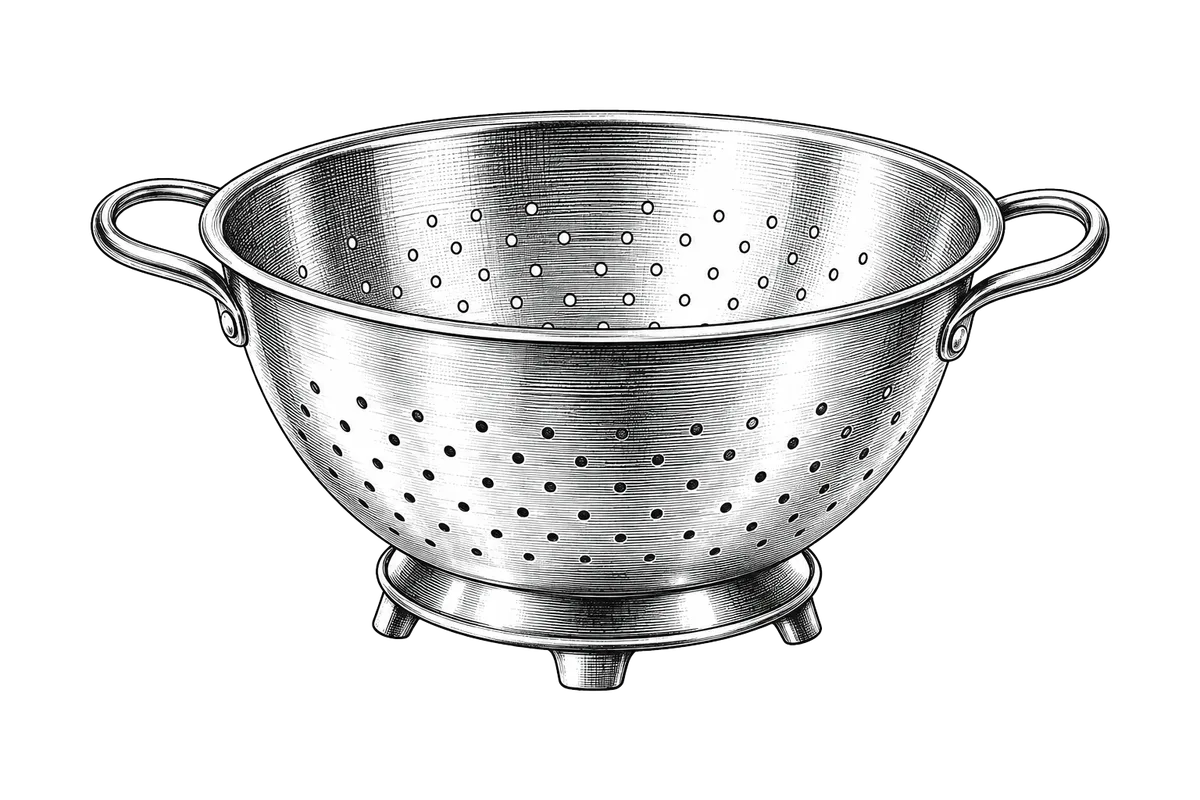
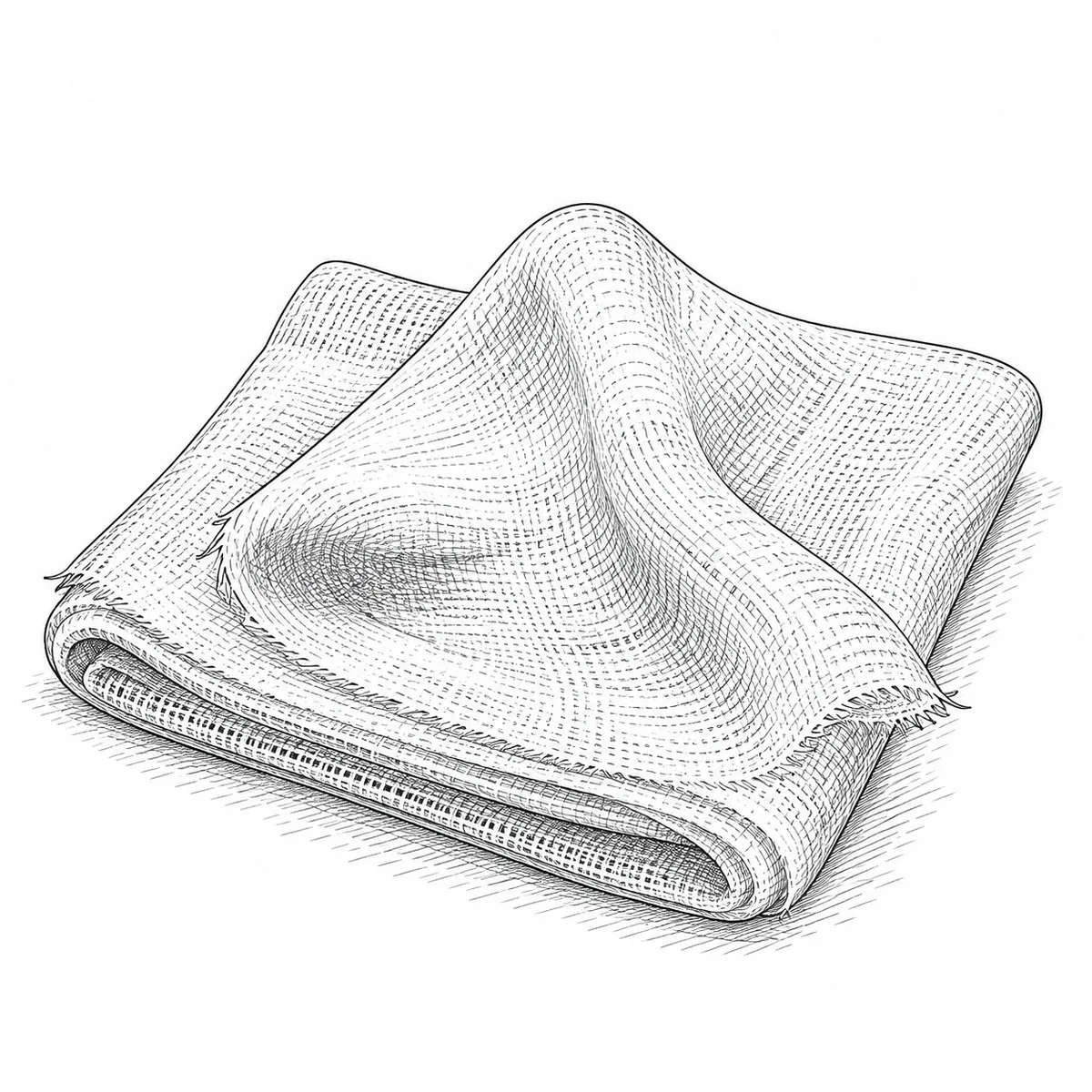
Ladle the settled curd into the muslin-lined colander, allowing the whey to drain away freely.
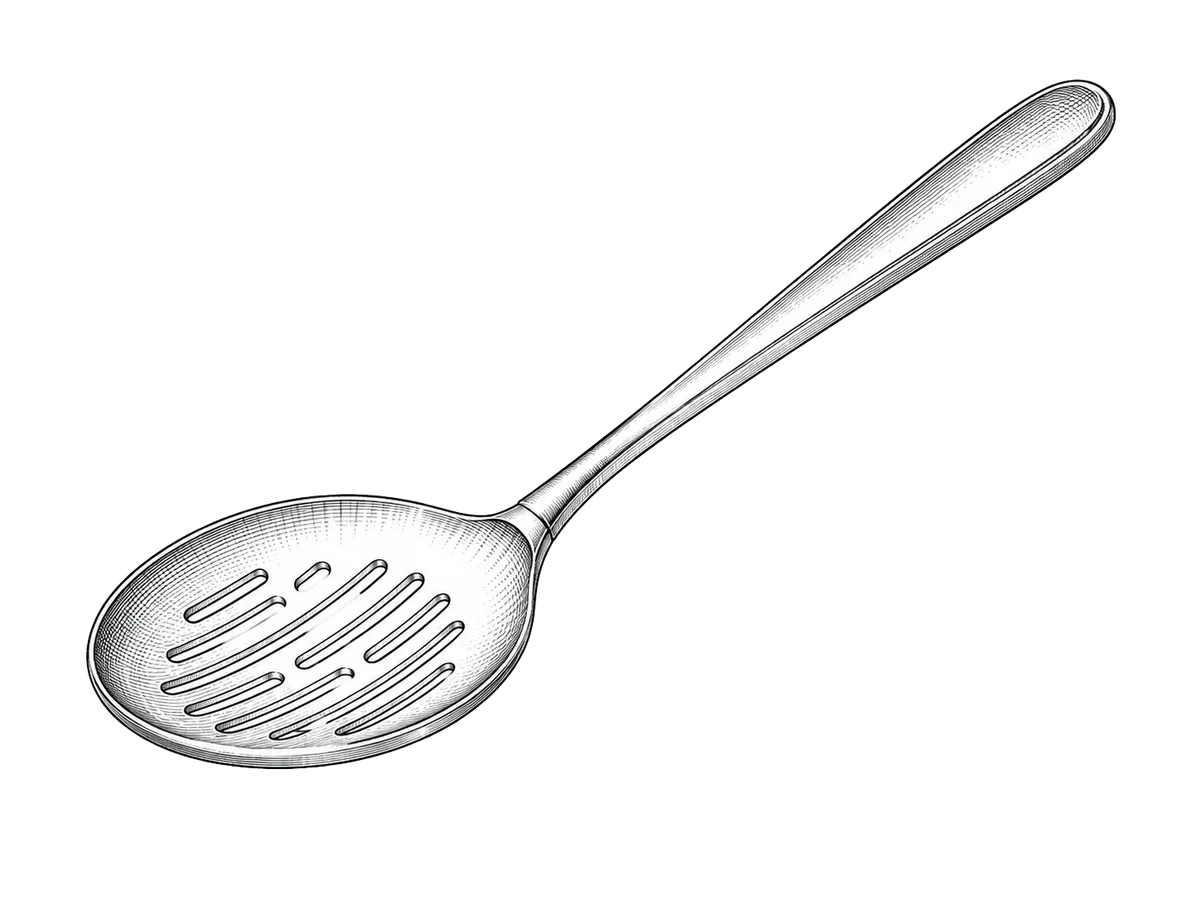
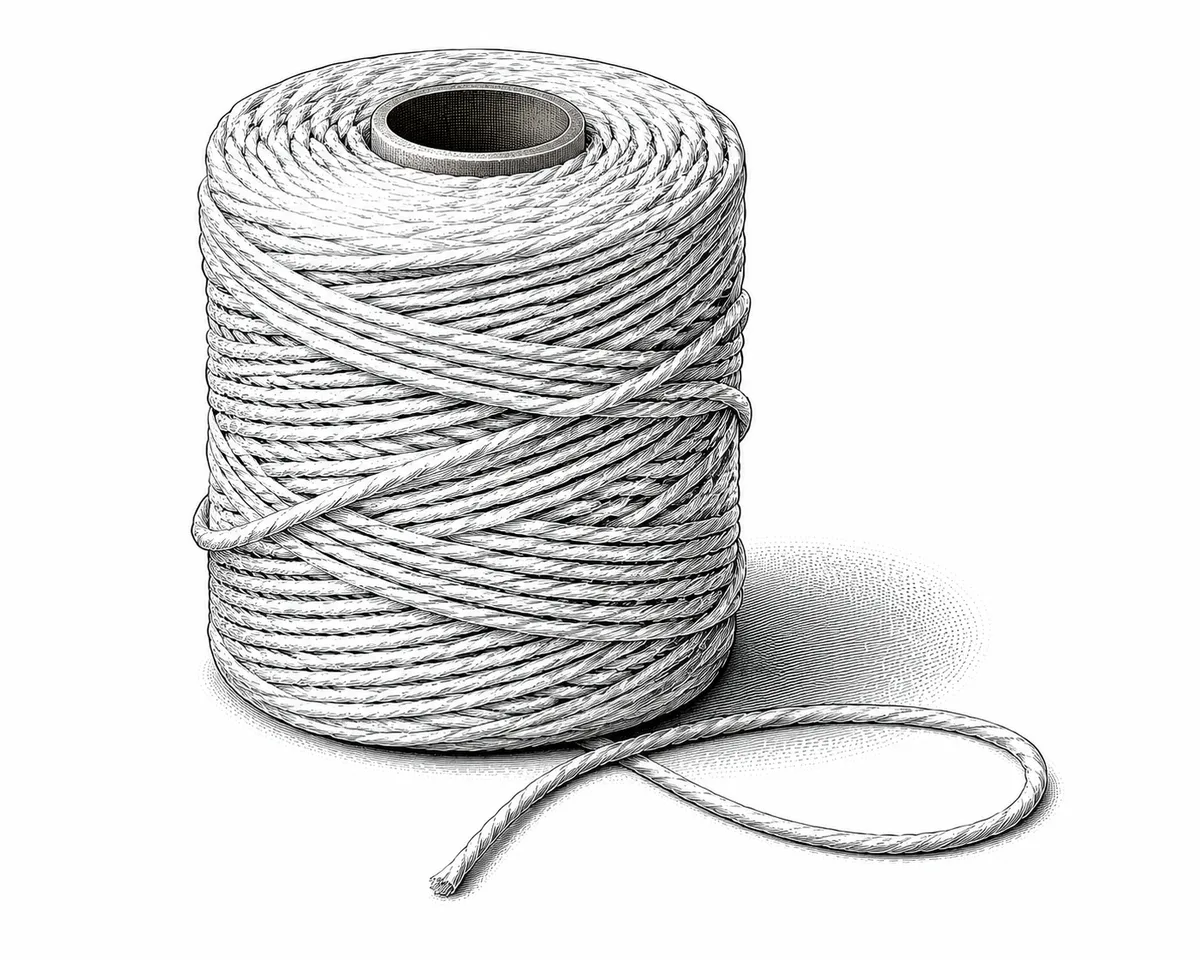
Gather the four corners of the muslin cloth and tie them together tightly with kitchen twine to form a hanging bundle.
Suspend the tied cheese bundle over the large bowl by resting the colander on top of it.
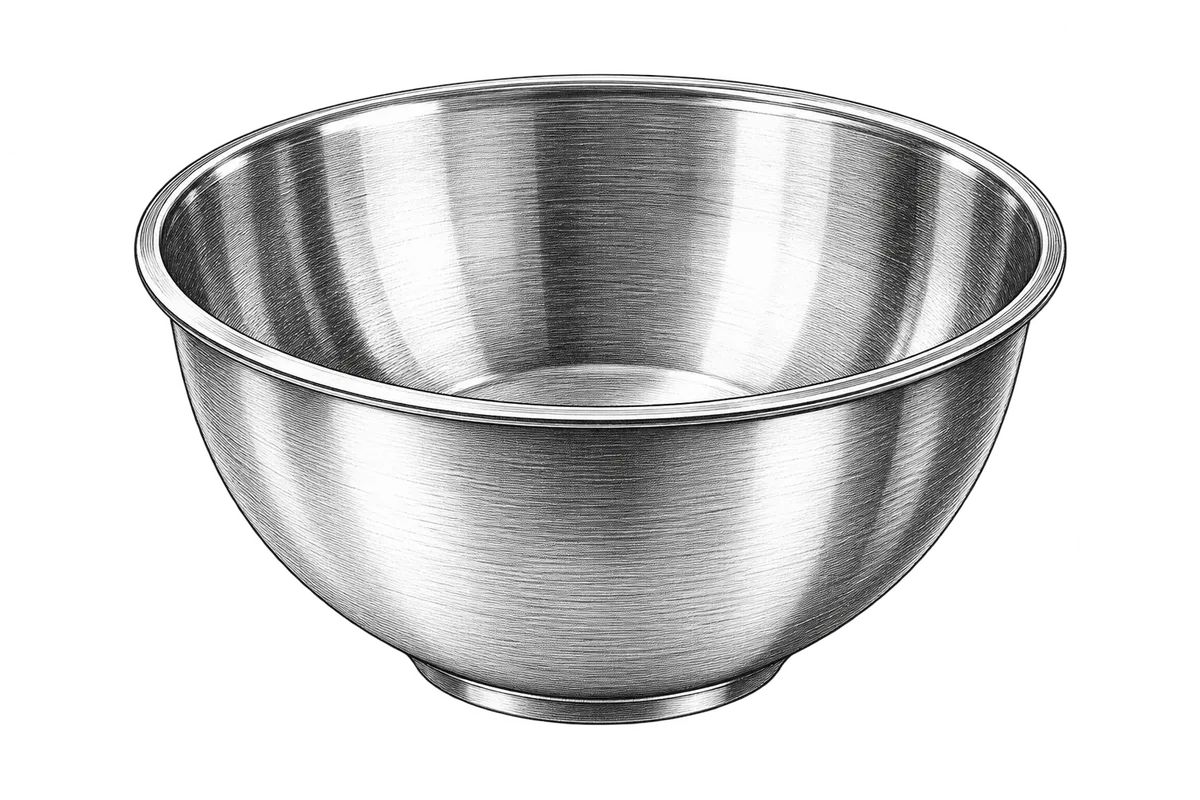
Leave the bundle to hang over the bowl for 4–5 hours until the whey has stopped dripping and the curd is firm.
Untie the muslin and turn the drained curd block out onto the chopping board.
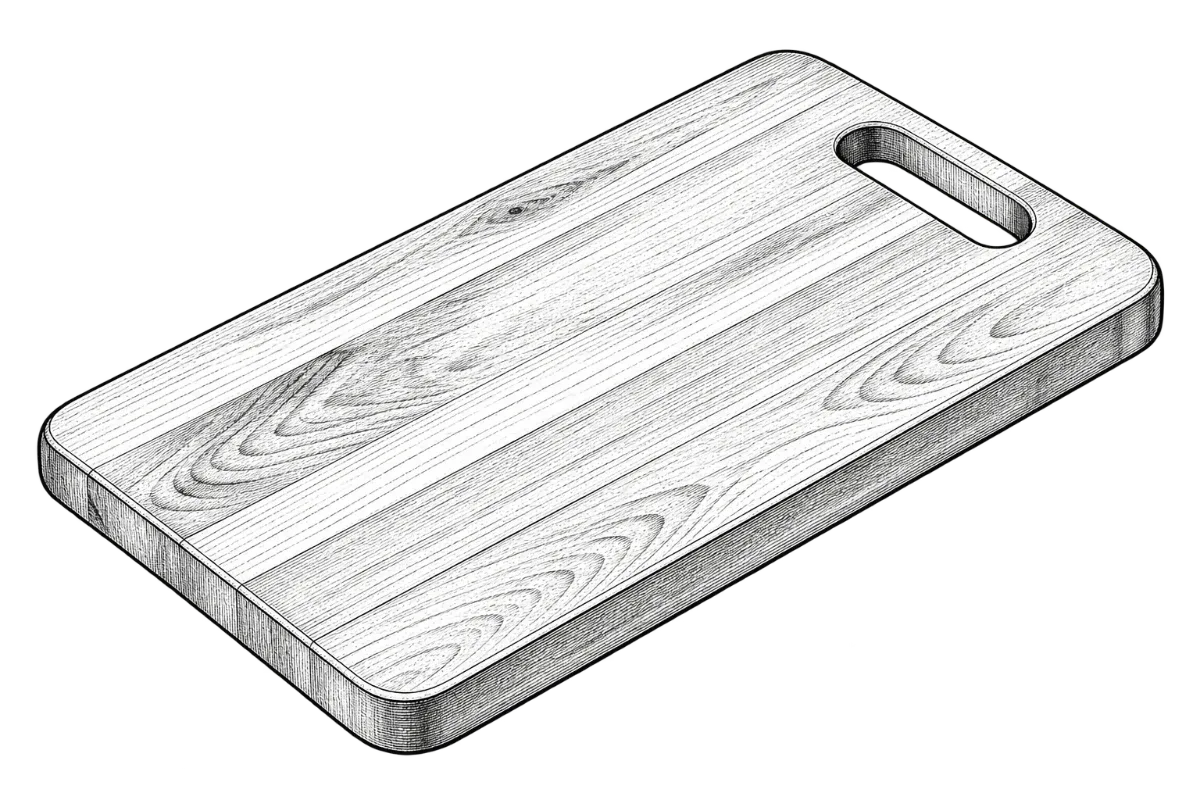
Cut the unmoulded curd block into equal portions of the size you prefer for serving.
Pour the non-chlorinated water into the large bowl.
Non-chlorinated water · 0.5 lAdd the flaked sea salt to the water in the bowl.
Flaked sea salt · 60 gStir the salt and water together until the salt has completely dissolved.
Carefully place the portioned feta curd pieces into the airtight container.
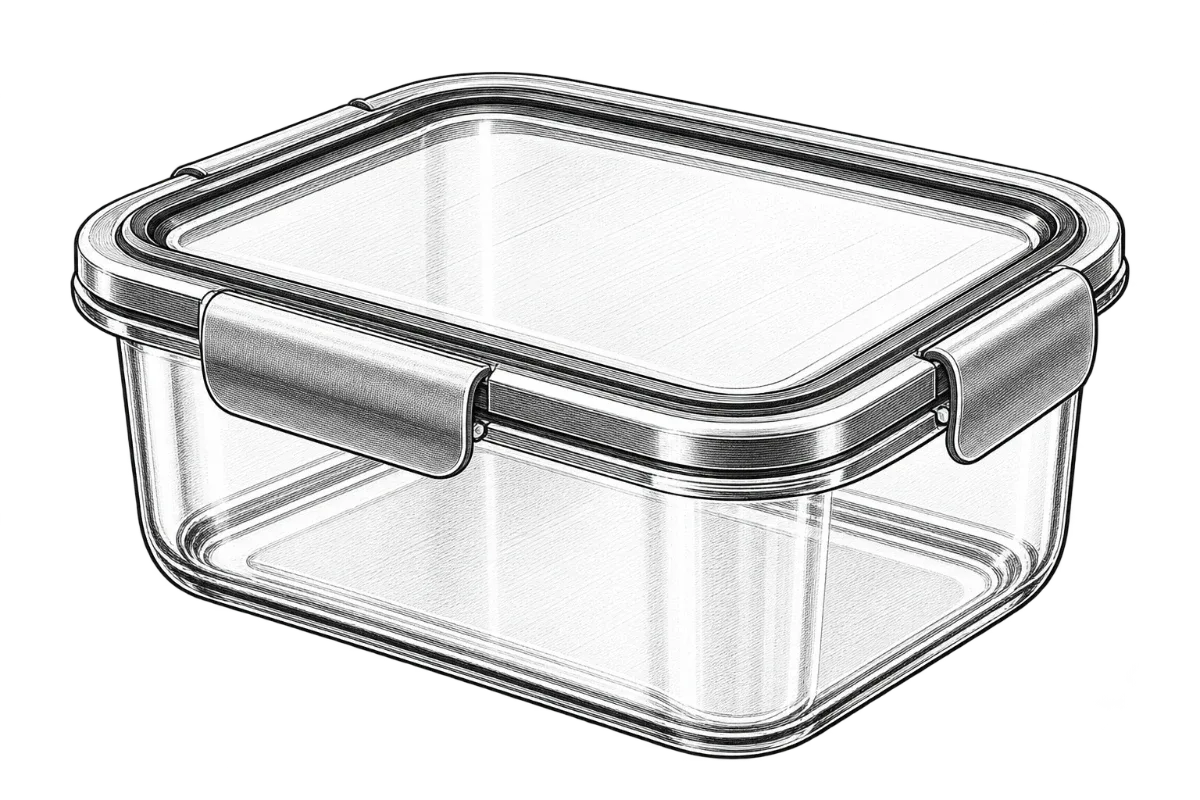
Pour the brine over the feta in the container until the pieces are fully submerged, then seal the lid.
Place the sealed container in the refrigerator and leave the feta to brine for at least 24 hours before serving.
| # | Product | Tool | Action |
|---|---|---|---|
| 1 | 0.5 l | | Pour enough water into the large heavy-based saucepan to fill it partway, then bring it to a boil and swirl to sterilise the interior, discarding the water once done.⏱ 5 minResultNon-chlorinated water |
| 2 | — | | Set the sterilised pot aside and allow it to cool until it is safe to handle.⏱ 10 minResultSterilised pot |
| 3 | 4 l | | Pour the sheep's milk into the sterilised saucepan.⏱ 1 minResultSterilised pot and full-fat sheep's milk |
| 4 | — | | Place the saucepan over a medium-low heat and warm the milk to 32 °C, stirring gently and checking with a thermometer.⏱ 15 minResultWarmed milk |
| 5 | Warmed milkstep 4 | | Lift the saucepan off the heat and set it on the kitchen counter.⏱ 1 minResultWarmed milk |
| 6 | 0.25 tsp | | Sprinkle the mesophilic starter culture over the surface of the warm milk.⏱ 1 minResultMesophilic starter culture |
| 7 | — | | Leave the culture to rehydrate on the surface of the milk for 2 minutes without stirring.⏱ 2 minResultRehydrating culture |
| 8 | — | | Stir the culture into the milk using slow, gentle up-and-down strokes to distribute it evenly.⏱ 1 minResultCultured milk |
| 9 | — | | Cover the saucepan with its lid and leave the milk to culture at room temperature for 1 hour.⏱ 1 hr |
| 10 | 0.5 tsp | | Measure the liquid animal rennet into a small bowl.⏱ 1 minResultLiquid animal rennet |
| 11 | 0.06 l | | Add the non-chlorinated water to the rennet in the small bowl.⏱ 1 minResultLiquid animal rennet and non-chlorinated water |
| 12 | — | | Stir the rennet and water together until combined.⏱ 1 minResultDiluted rennet |
| 13 | Diluted rennetstep 12 | | Pour the diluted rennet into the covered cultured milk and stir gently with slow, even strokes for 30 seconds to distribute it throughout the milk, then stop.⏱ 1 minResultRennet-set milk |
| 14 | — | | Leave the milk undisturbed with the lid on for 45–52 minutes until a firm curd has formed that gives a clean break when cut with a knife.⏱ 52 minResultSet curd |
| 15 | — | | Using a long knife, cut the curd into a grid of vertical cuts spaced about 1.5 cm apart, slicing all the way down to the bottom of the pot.⏱ 3 minResultVertically cut curd |
| 16 | — | | Make horizontal cuts through the curd at roughly 1.5 cm intervals, angling the knife to produce curds as close to cubes as possible.⏱ 2 minResultCubed curd |
| 17 | — | | Leave the cut curd to rest undisturbed for 5 minutes so the whey begins to expel and the curds firm slightly at the edges.⏱ 5 minResultRested cubed curd |
| 18 | — | | Gently stir the cut curd with slow, sweeping motions for 10 minutes to help the curds contract and release more whey.⏱ 10 minResultFirmed curd |
| 19 | — | | Stop stirring and allow the curd to settle to the bottom of the pot for 5 minutes.⏱ 5 minResultSettled curdused in step 21 |
| 20 | — | | Drape a large piece of muslin cloth over the colander, letting the excess hang over the sides.⏱ 2 min |
| 21 | Settled curdstep 19 | | Ladle the settled curd into the muslin-lined colander, allowing the whey to drain away freely.⏱ 3 minResultSettled curd |
| 22 | — | | Gather the four corners of the muslin cloth and tie them together tightly with kitchen twine to form a hanging bundle.⏱ 1 minResultTied cheese bundle |
| 23 | Tied cheese bundlestep 22 | | Suspend the tied cheese bundle over the large bowl by resting the colander on top of it.⏱ 1 minResultTied cheese bundle |
| 24 | — | | Leave the bundle to hang over the bowl for 4–5 hours until the whey has stopped dripping and the curd is firm.⏱ 5 hrResultDrained curd block |
| 25 | — | | Untie the muslin and turn the drained curd block out onto the chopping board.⏱ 1 minResultDrained curd block |
| 26 | — | | Cut the unmoulded curd block into equal portions of the size you prefer for serving.⏱ 2 minResultPortioned feta curdused in step 30 |
| 27 | 0.5 l | | Pour the non-chlorinated water into the large bowl.⏱ 1 minResultNon-chlorinated water |
| 28 | 60 g | | Add the flaked sea salt to the water in the bowl.⏱ 1 minResultNon-chlorinated water and flaked sea salt |
| 29 | — | | Stir the salt and water together until the salt has completely dissolved.⏱ 2 minResultBrineused in step 31 |
| 30 | Portioned feta curdstep 26 | | Carefully place the portioned feta curd pieces into the airtight container.⏱ 1 minResultPortioned feta curd |
| 31 | Brinestep 29 | | Pour the brine over the feta in the container until the pieces are fully submerged, then seal the lid.⏱ 1 minResultBrined feta |
| 32 | — | | Place the sealed container in the refrigerator and leave the feta to brine for at least 24 hours before serving.⏱ 24 hrResultHomemade Feta Cheese |
| Total Time | 30 hr 35 min | ||
| Nutrient | Per serving |
|---|---|
| 1,081kcal | |
| 60g | |
| 70g | |
| 43g | |
| 47g | |
| 47g | |
| 6,255mg |
Homemade Feta Cheese
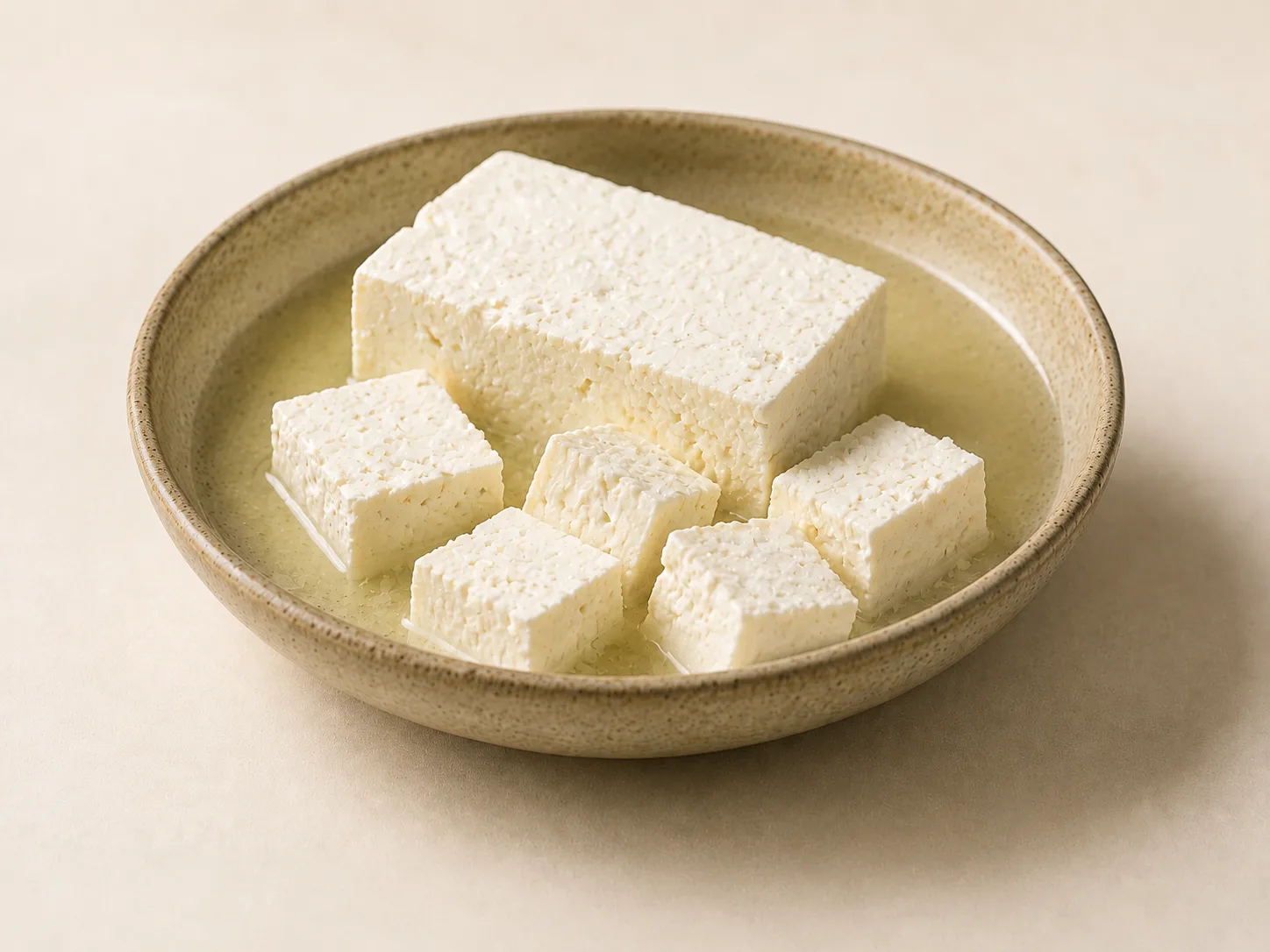
Traditional homemade feta made from sheep's milk, cultured and set with rennet, then brined for a firm, tangy cheese. Requires 24–48 hours of draining and brining after 45 minutes of active work.
What you’ll doYou will sterilise the pot, then warm the milk to a precise 32 °C before introducing the starter culture and, after an hour of culturing, the diluted rennet. The milk must then sit completely undisturbed until a clean-break curd forms, which you will cut into small cubes, stir to expel whey, and ladle into muslin to drain for up to five hours. Once the curd block is firm and dry, you cut it into portions and submerge them in a salt brine for at least 24 hours in the fridge before the feta is ready.
Ingredients
- Non-chlorinated water1.06 l
- Full-fat sheep's milk4 l
- Mesophilic starter culture0.25 tsp
- Liquid animal rennet0.5 tsp
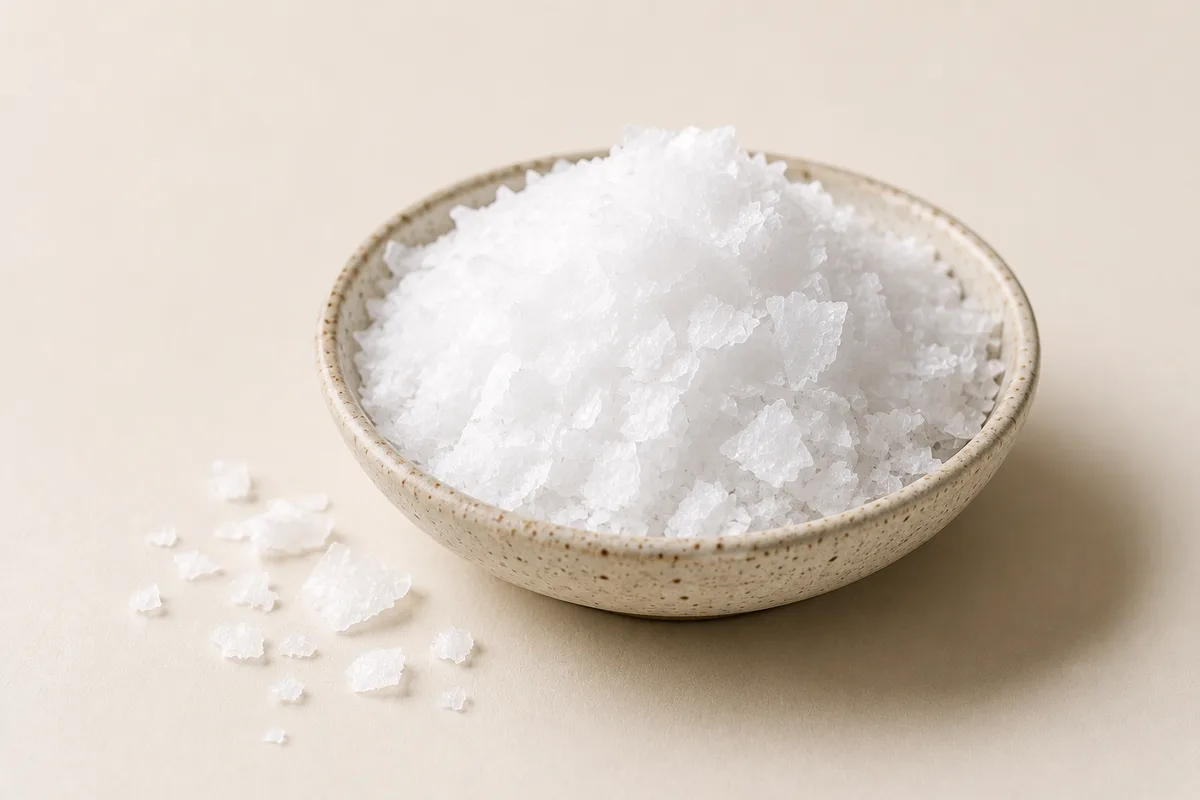
- Flaked sea salt60 g