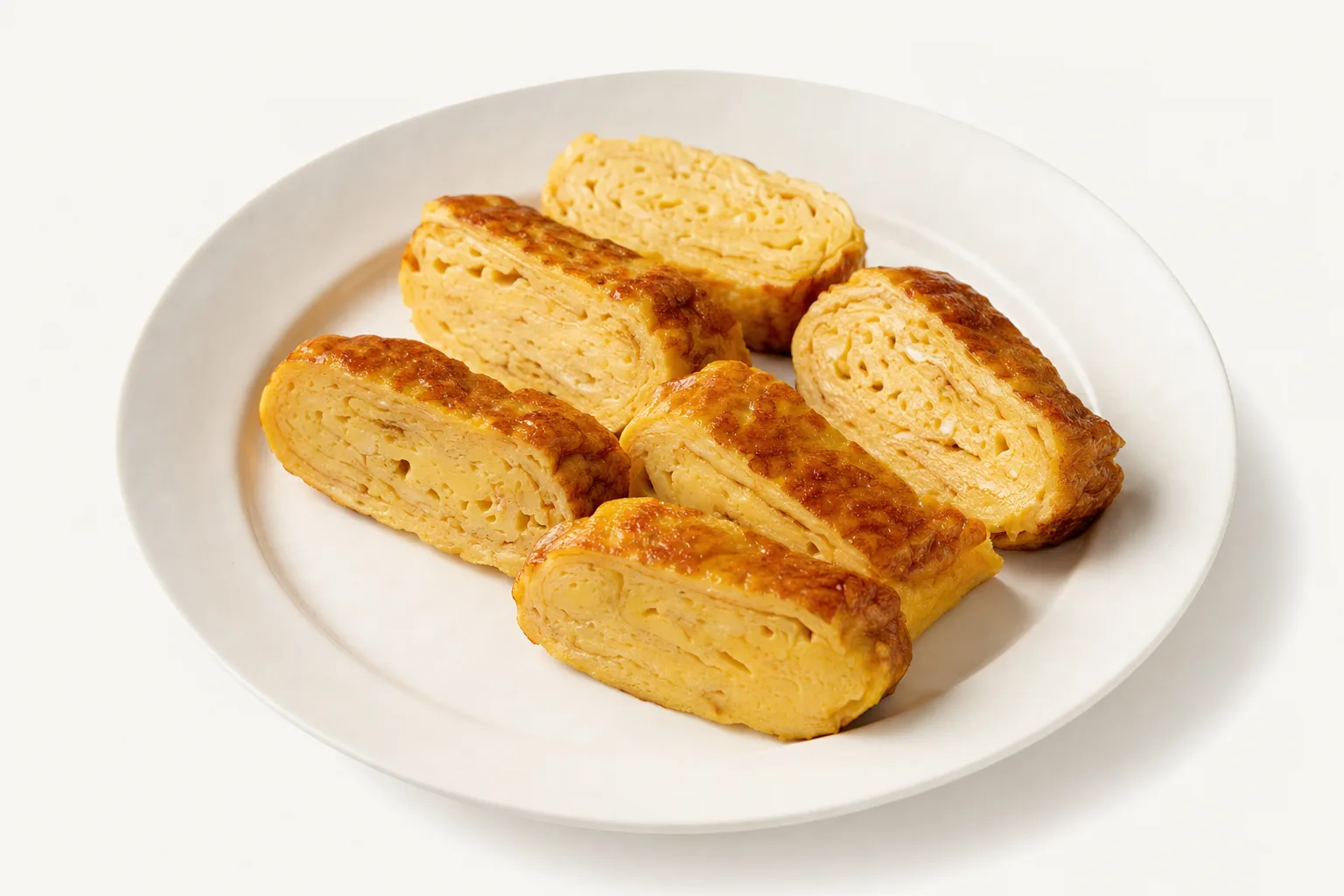
Tamagoyaki is a Japanese rolled omelette of thin layers of lightly sweetened, dashi-seasoned egg, cooked over a moderate heat in an 18 × 13 cm tamagoyaki pan (about a third of the egg per layer, each just set before rolling), then shaped and sliced into neat rounds. Soft and custardy, gently savoury with a faint sweetness.
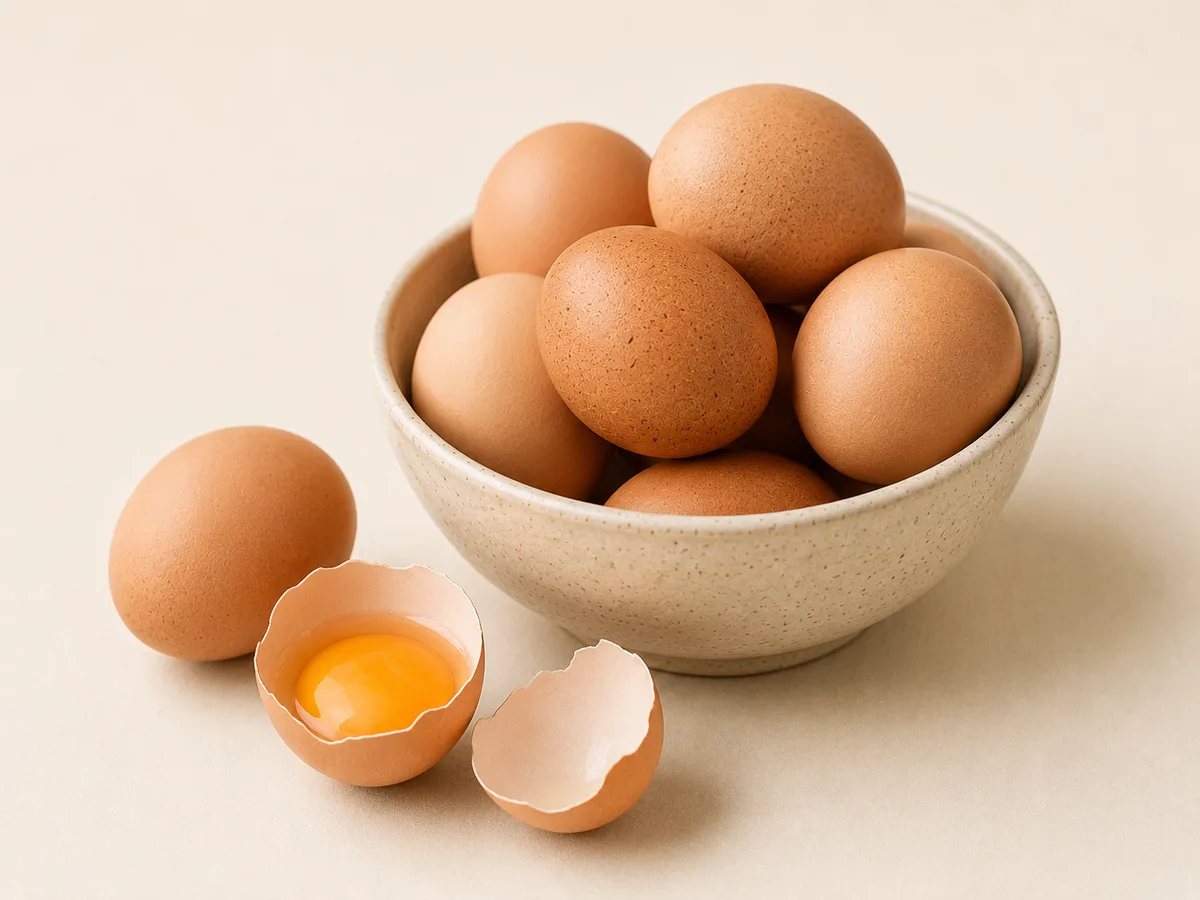 4piece
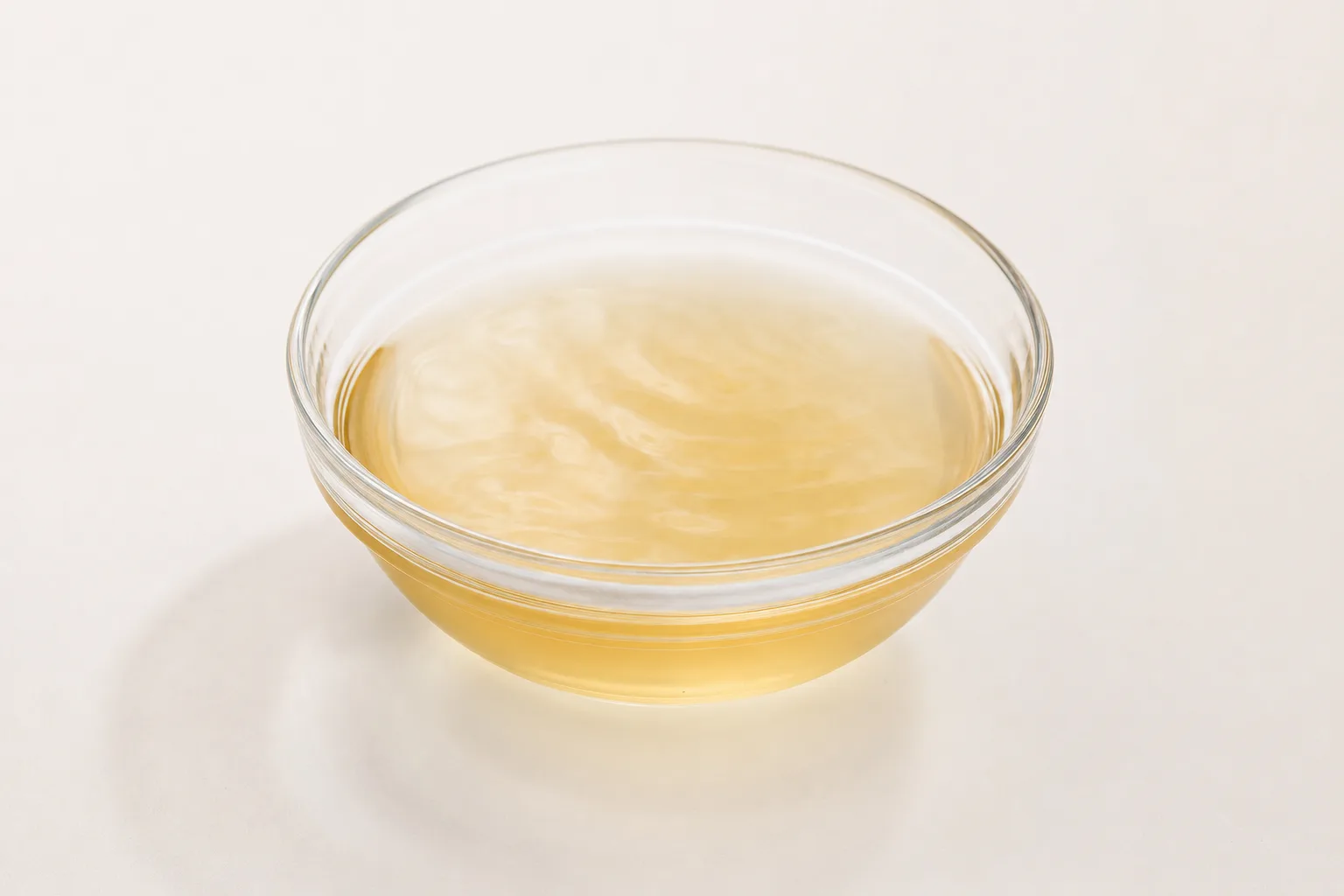 60ml
60ml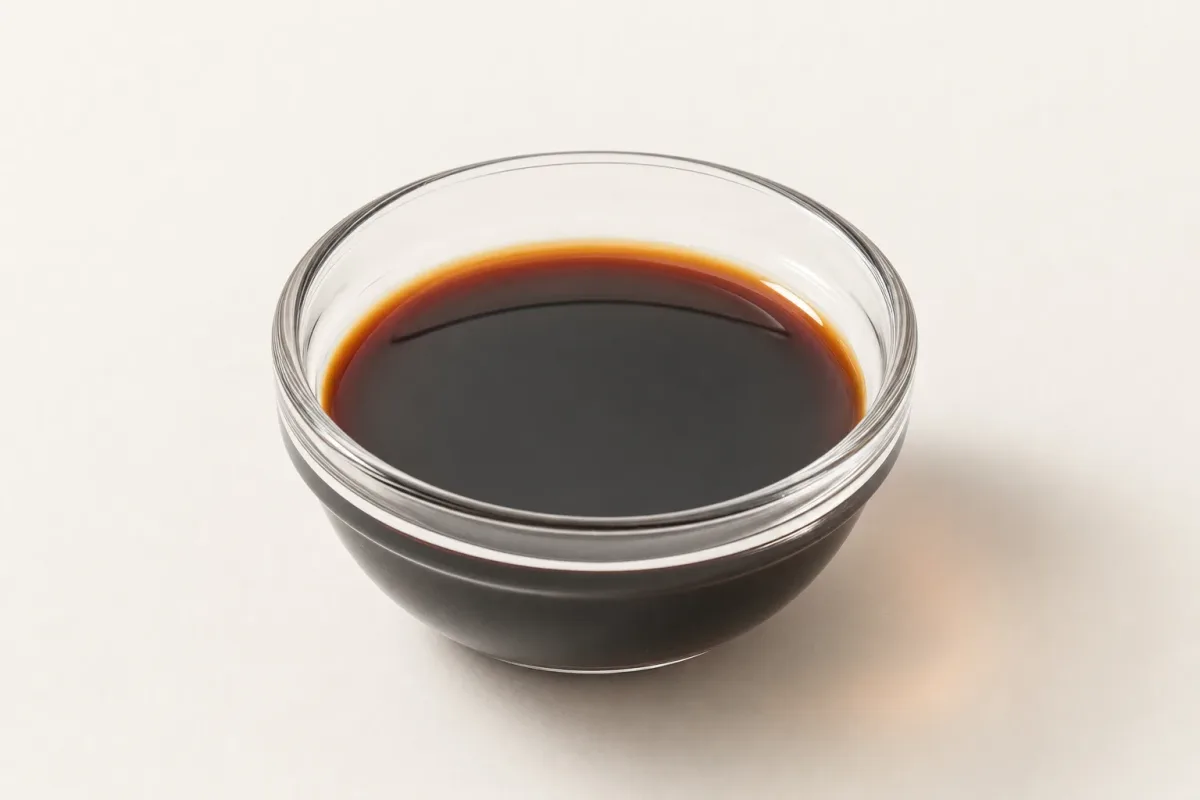 1tsp
1tsp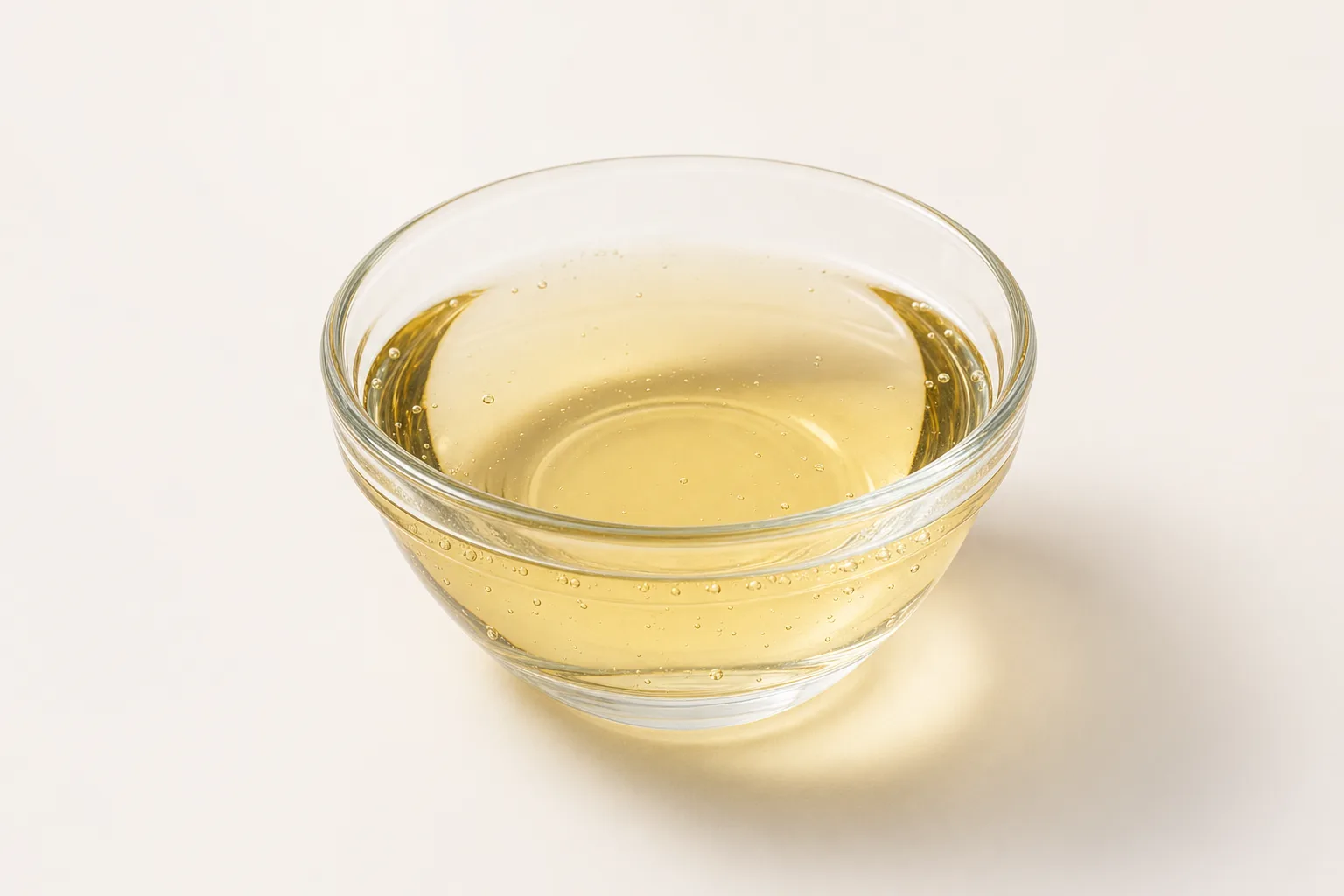 1tsp
1tsp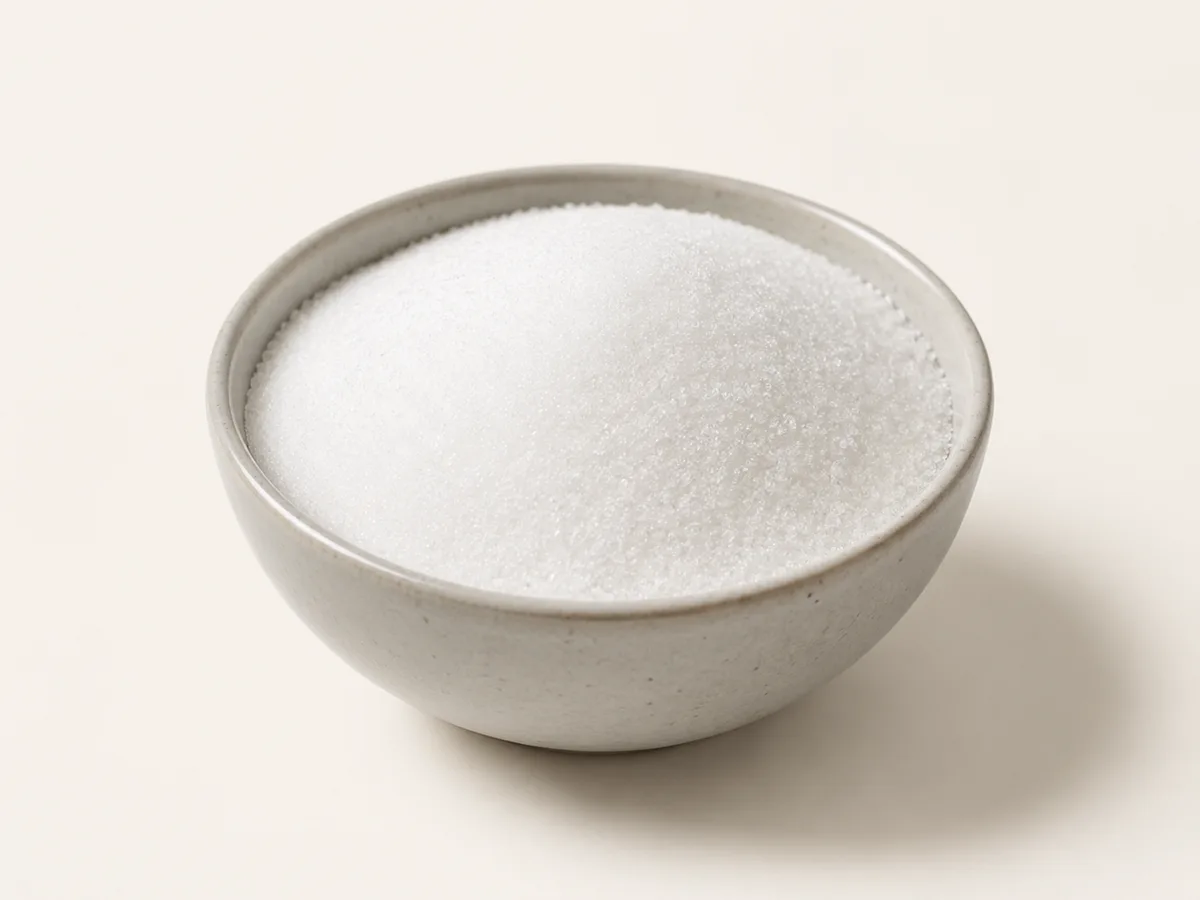 1tsp
1tsp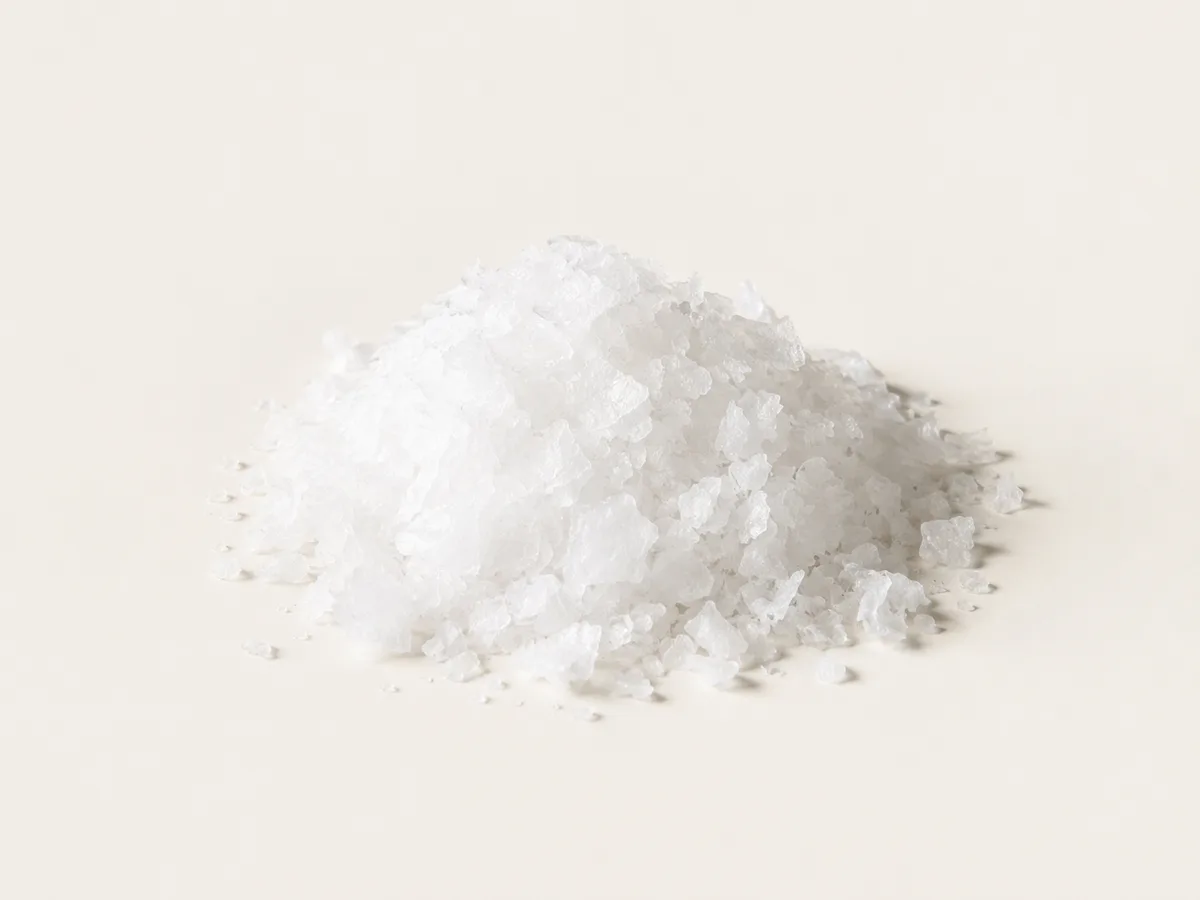 1pinch
 1.5tsp
| # | Product | Quantity | Notes | State | |
|---|---|---|---|---|---|
| 1 | | 4piece | — | — | |
| 2 | | 60ml | — | — | |
| 3 | | 1tsp | — | — | |
| 4 | | 1tsp | — | — | |
| 5 | | 1tsp | — | — | |
| 6 | | 1pinch | — | — | |
| 7 | | 1.5tsp | — | — |
Crack the eggs into the mixing bowl, discarding the shells.
Egg · 4 piece
Pour the dashi stock into the bowl with the cracked eggs.
Dashi stock · 60 mlAdd the soy sauce to the egg and dashi mixture.
Soy sauce · 1 tspAdd the mirin to the seasoned egg mixture.
Mirin · 1 tspAdd the caster sugar to the seasoned egg mixture.
Caster sugar · 1 tspAdd the salt to the sweetened egg mixture.
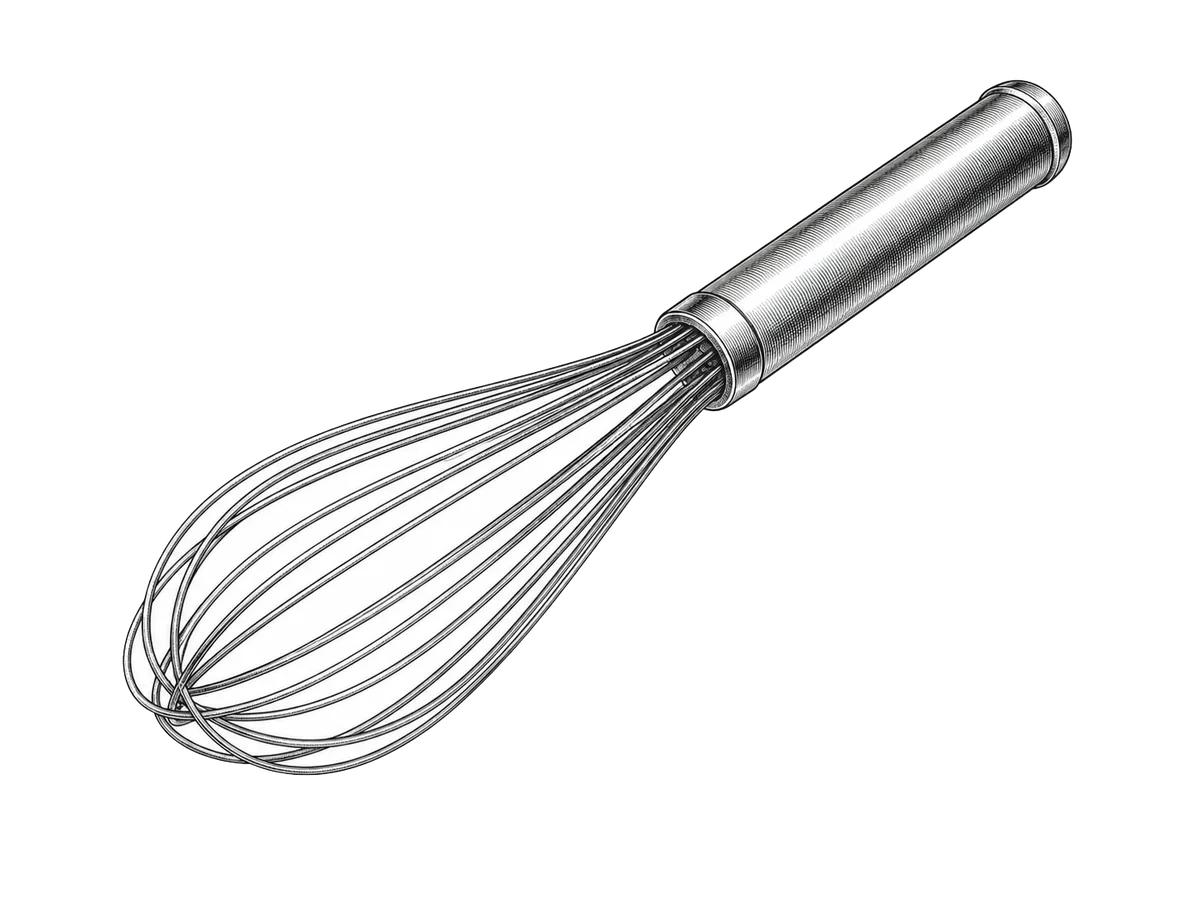
Salt · 1 pinchWhisk the mixture together until the eggs are fully beaten and everything is well combined.
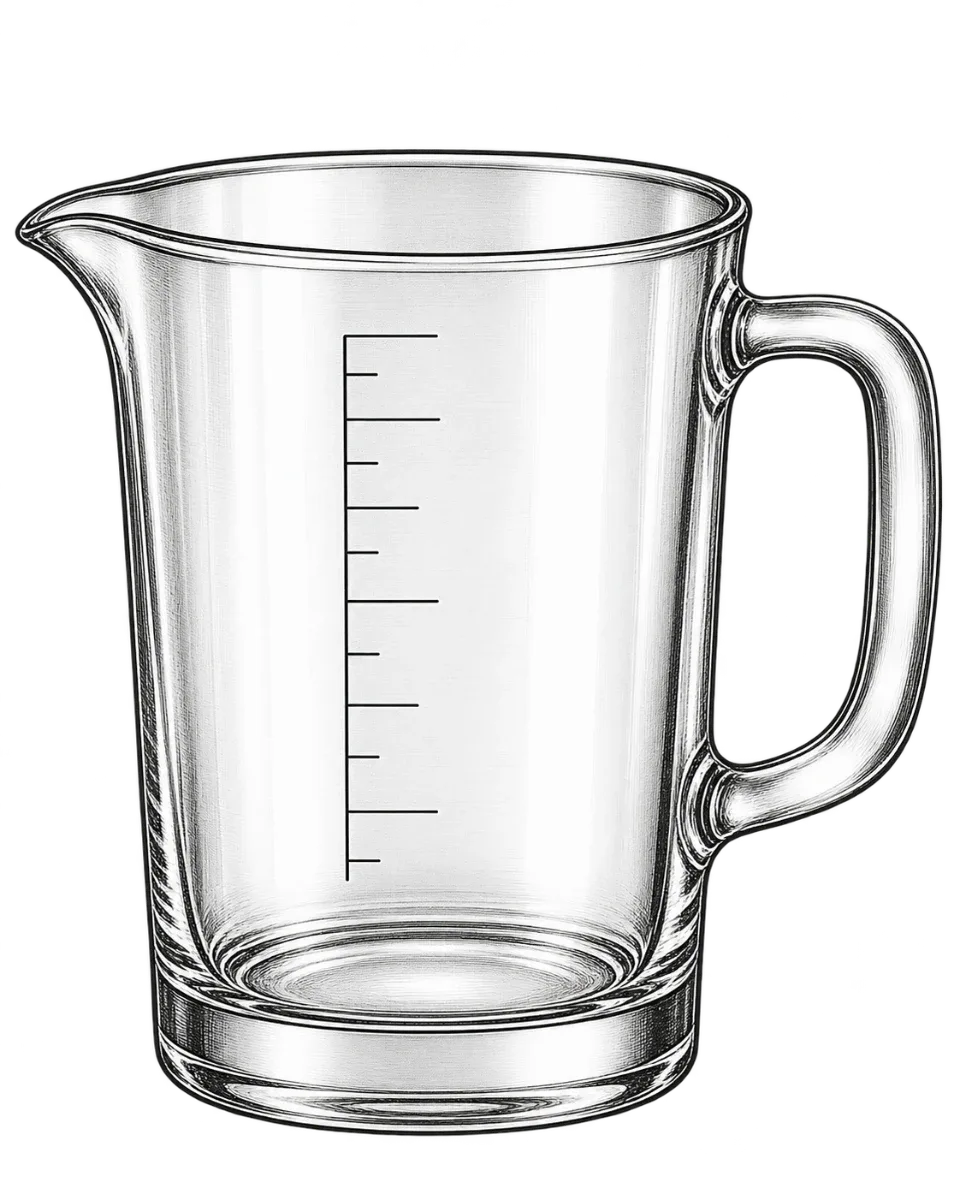
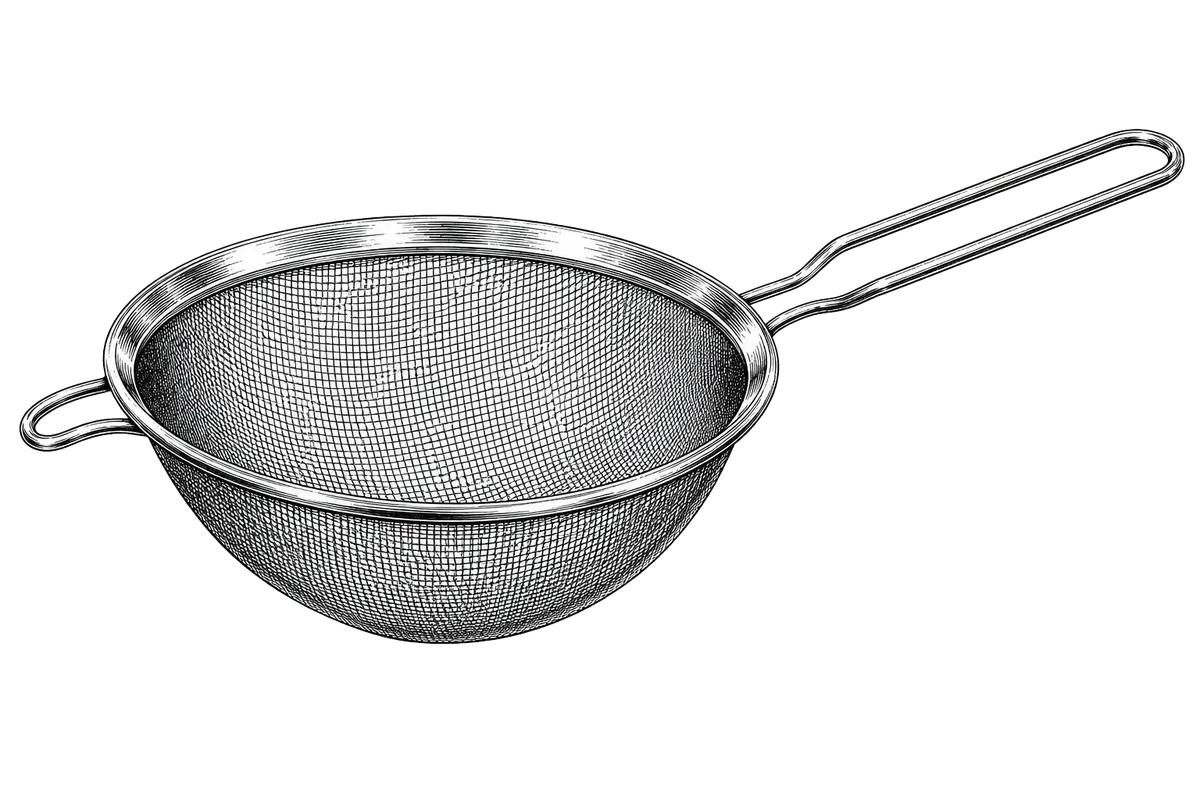
Pour the tamagoyaki custard through a fine sieve into a jug, pressing gently to ensure a smooth, lump-free mixture.
Add the sunflower oil to the tamagoyaki pan.
Sunflower oil · 0.5 tsp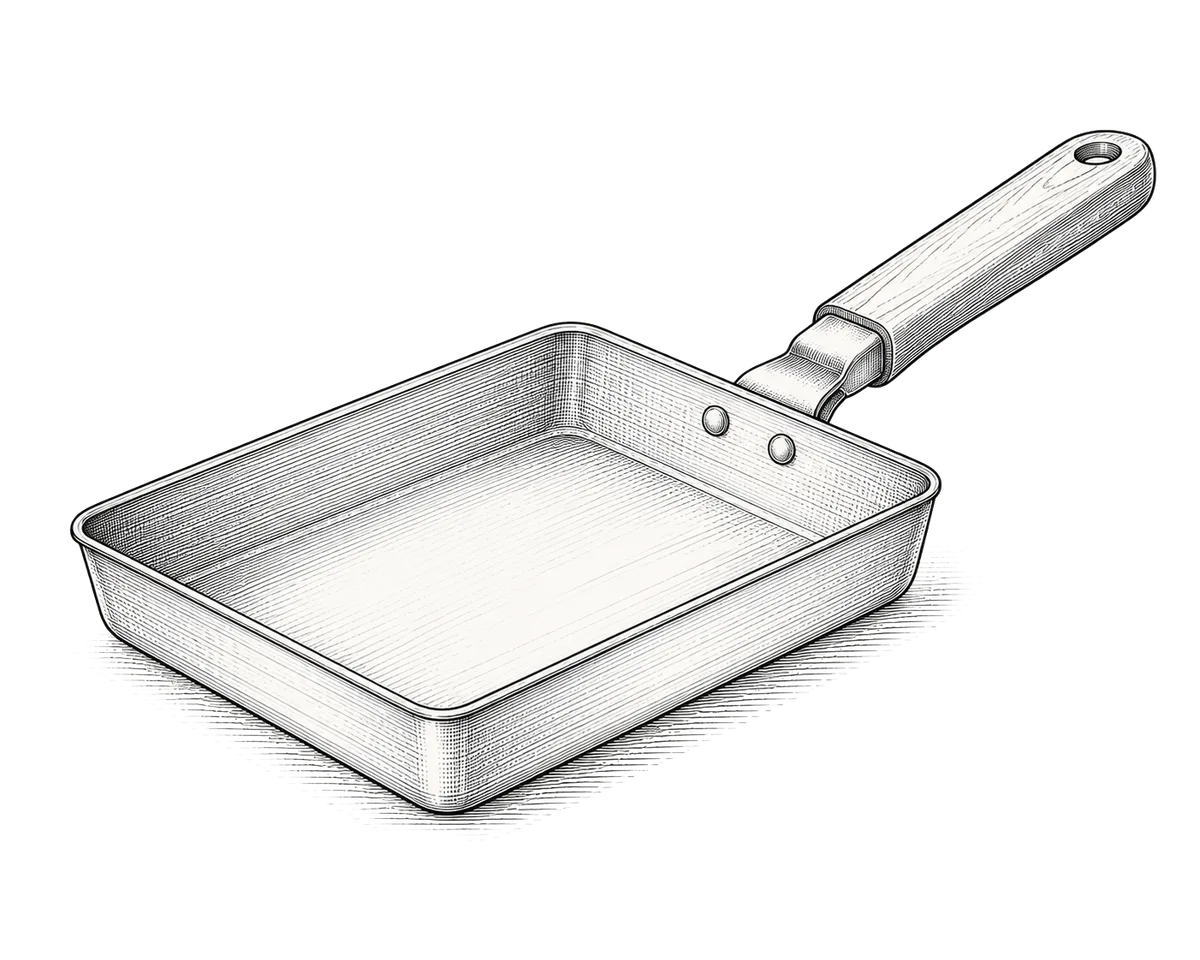
Place the pan over a medium heat and warm the oil until it shimmers across the surface.
Use a folded piece of kitchen paper to wipe the oil evenly over the entire surface of the pan, leaving only a thin, even coating.
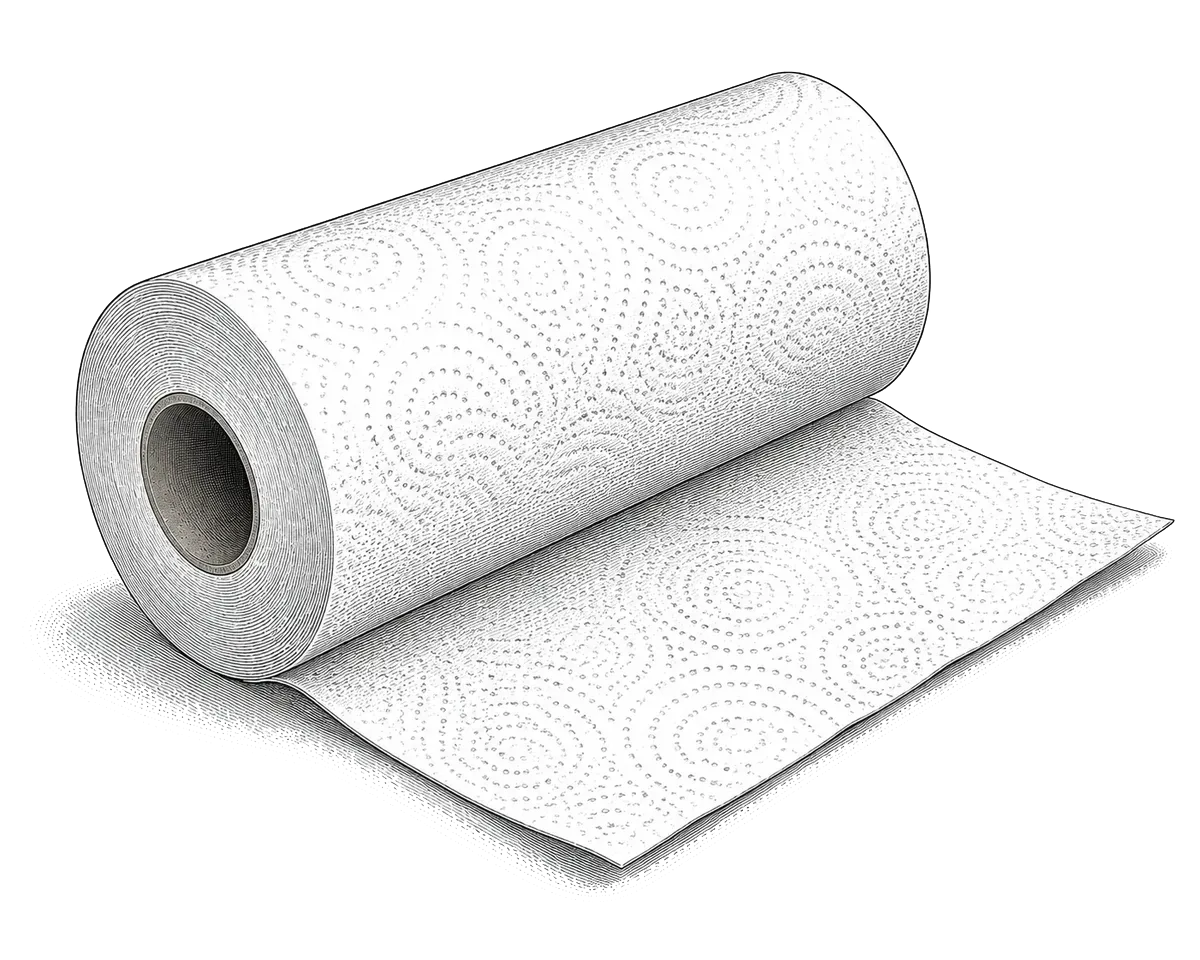
Pour roughly one third of the strained egg mixture into the pan, tilting it quickly so the egg covers the base in a thin, even layer.
Cook the egg layer undisturbed until the surface is just set but still slightly glossy on top.
Using chopsticks, carefully roll the set egg layer away from you towards the far end of the pan, forming a tight log.
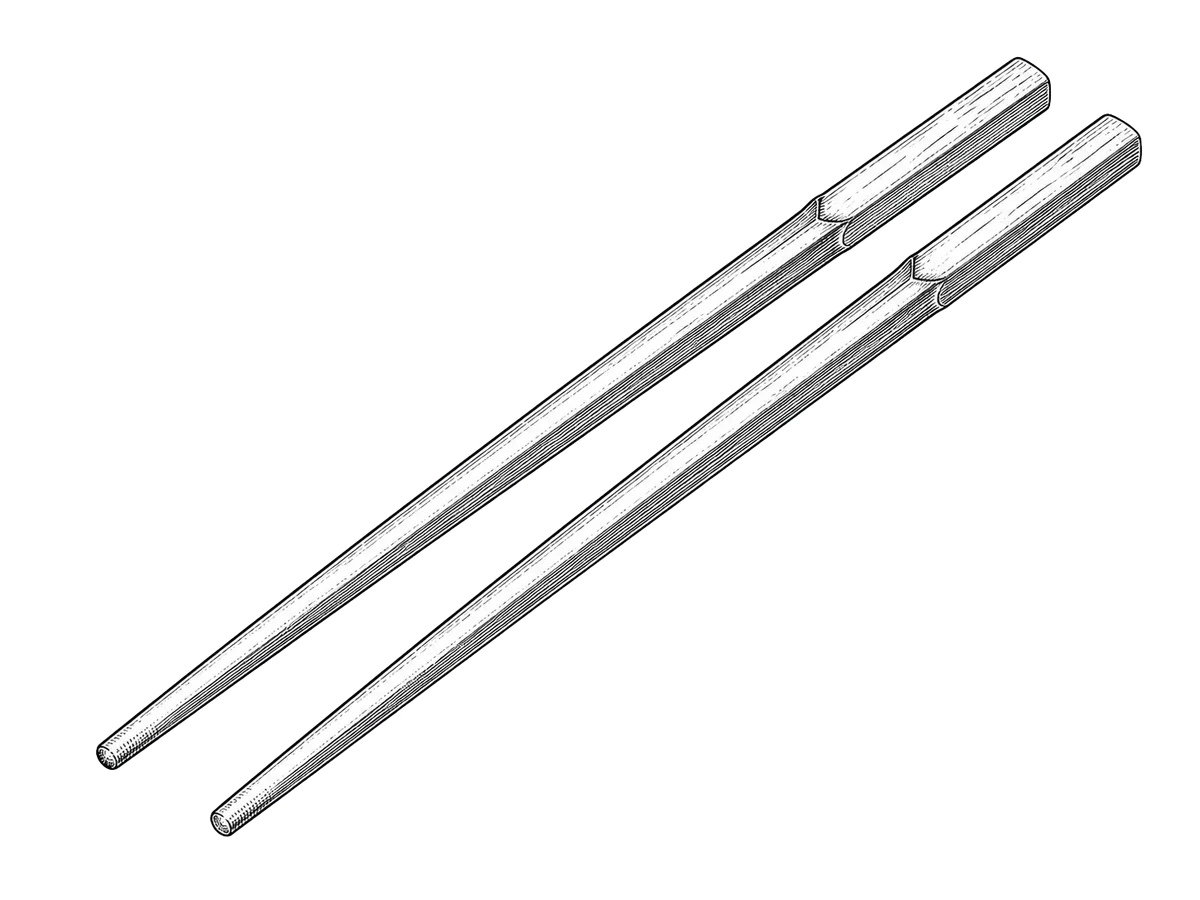
Add the sunflower oil to the empty part of the pan beside the rolled log.
Sunflower oil · 0.5 tspUse a folded piece of kitchen paper to wipe the oil evenly over the base of the pan, tucking under the rolled log as well.
Pour roughly half of the remaining strained egg mixture into the pan, lifting the rolled log so the egg flows underneath it and covers the base in an even layer.
Cook the second egg layer undisturbed until the surface is just set but still slightly glossy on top.
Using chopsticks, roll the log back over the set second layer, wrapping it around the existing roll to form a thicker log.
Add the remaining sunflower oil to the empty part of the pan beside the two-layer rolled omelette.
Sunflower oil · 0.5 tspUse a folded piece of kitchen paper to wipe the oil evenly over the base of the pan, tucking under the rolled log as well.
Pour the remaining strained egg mixture into the pan, lifting the rolled log so the egg flows underneath it and covers the base in an even layer.
Cook the third egg layer undisturbed until the surface is just set but still slightly glossy on top.
Using chopsticks, roll the log back over the set third layer, wrapping it tightly to form a compact three-layer log.
Slide the three-layer rolled omelette out of the pan onto the chopping board, positioning it along one edge of the sushi mat laid flat on the board.
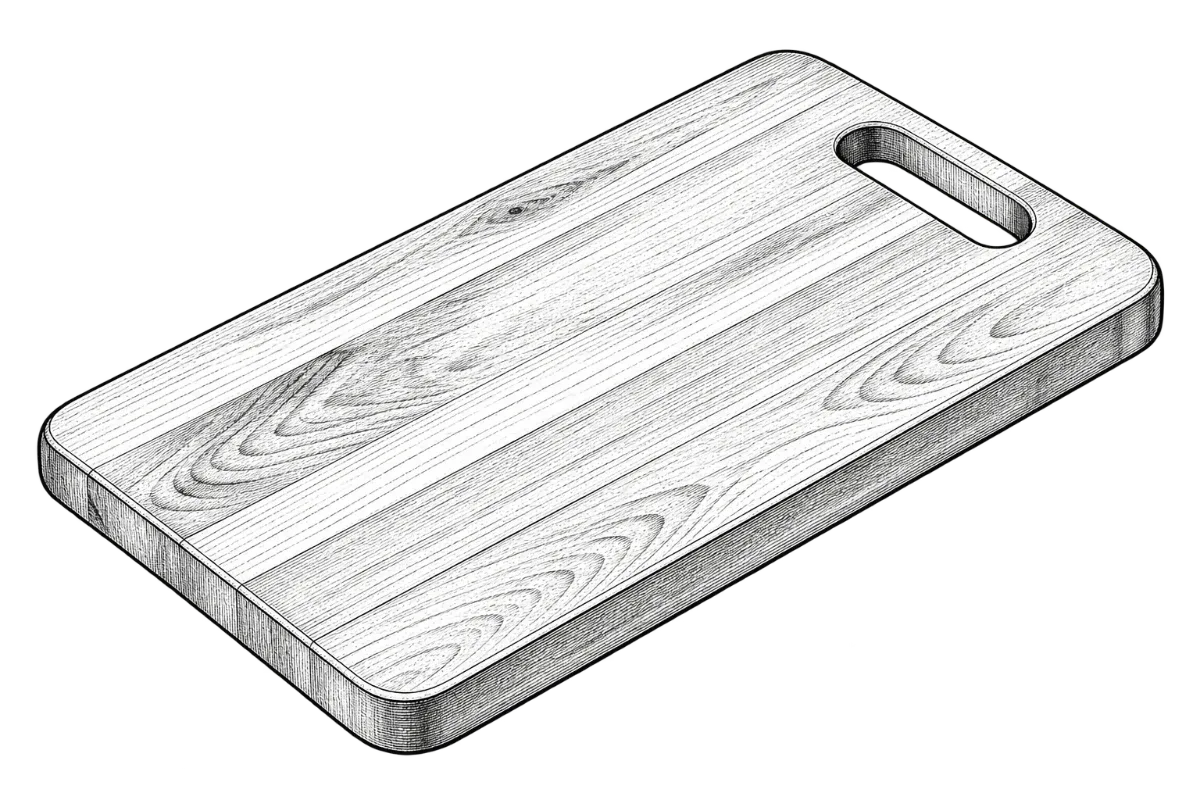
Roll the sushi mat firmly around the omelette with your hands and press gently to shape it into a neat, compact rectangular log.
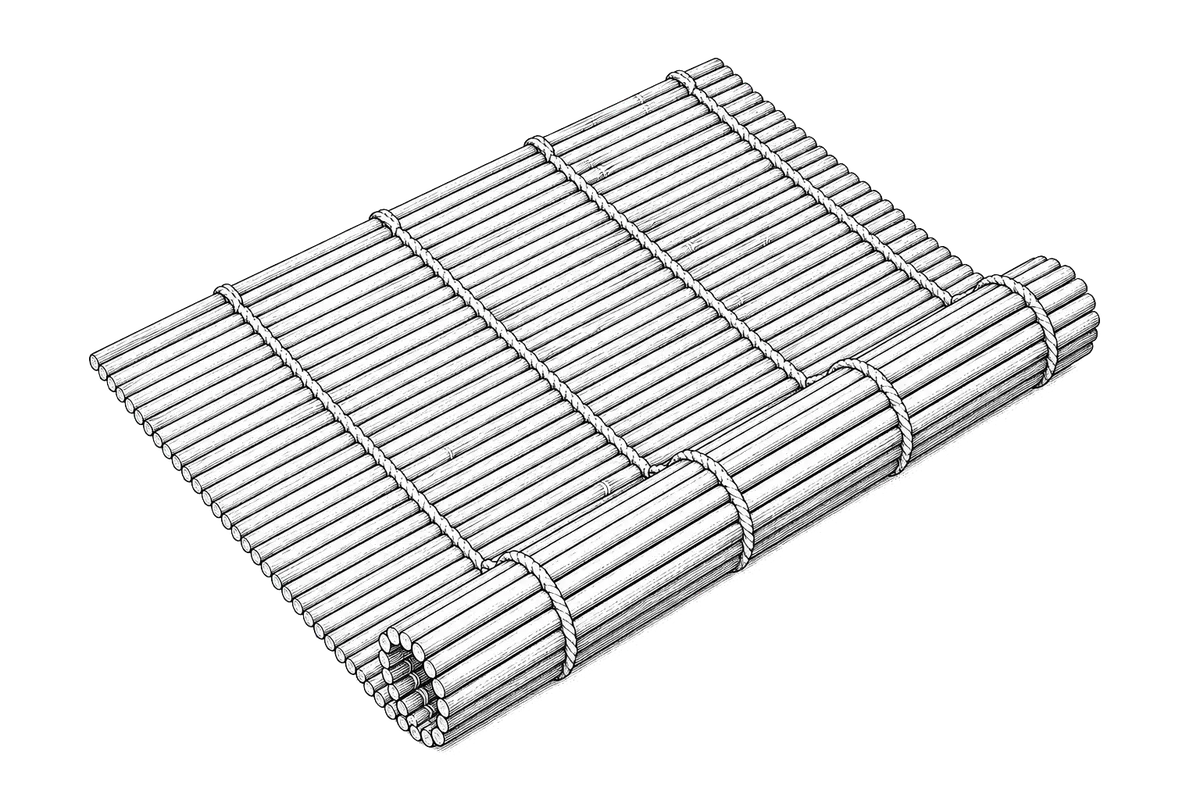
Leave the tamagoyaki wrapped in the sushi mat to rest for 2 minutes so it holds its shape.
Unroll the sushi mat and transfer the tamagoyaki onto the chopping board.
Cut the tamagoyaki crosswise into neat rounds about 2 cm thick.
| # | Product | Tool | Action |
|---|---|---|---|
| 1 | 4 piece | | Crack the eggs into the mixing bowl, discarding the shells.⏱ 1 minResultEgg |
| 2 | 60 ml | | Pour the dashi stock into the bowl with the cracked eggs.⏱ 30sResultEgg and dashi stock |
| 3 | 1 tsp | | Add the soy sauce to the egg and dashi mixture.⏱ 20sResultEgg and dashi stock and soy sauce |
| 4 | 1 tsp | | Add the mirin to the seasoned egg mixture.⏱ 20sResultEgg mixture |
| 5 | 1 tsp | | Add the caster sugar to the seasoned egg mixture.⏱ 20sResultEgg mixture |
| 6 | 1 pinch | | Add the salt to the sweetened egg mixture.⏱ 20sResultEgg mixture |
| 7 | — | | Whisk the mixture together until the eggs are fully beaten and everything is well combined.⏱ 1 minResultTamagoyaki custard |
| 8 | Tamagoyaki custardstep 7 | | Pour the tamagoyaki custard through a fine sieve into a jug, pressing gently to ensure a smooth, lump-free mixture.⏱ 1 minResultStrained egg mixtureused in step 12 |
| 9 | 0.5 tsp | | Add the sunflower oil to the tamagoyaki pan.⏱ 30sResultSunflower oil |
| 10 | — | | Place the pan over a medium heat and warm the oil until it shimmers across the surface.⏱ 1 minResultHeated sunflower oil |
| 11 | — | | Use a folded piece of kitchen paper to wipe the oil evenly over the entire surface of the pan, leaving only a thin, even coating.⏱ 1 minResultWiped sunflower oil |
| 12 | Strained egg mixturestep 8 | | Pour roughly one third of the strained egg mixture into the pan, tilting it quickly so the egg covers the base in a thin, even layer.⏱ 30sResultRemaining strained egg mixtureused in step 17 |
| 13 | — | | Cook the egg layer undisturbed until the surface is just set but still slightly glossy on top.⏱ 2 minResultSet egg layer |
| 14 | — | | Using chopsticks, carefully roll the set egg layer away from you towards the far end of the pan, forming a tight log.⏱ 1 minResultRolled egg layer |
| 15 | 0.5 tsp | | Add the sunflower oil to the empty part of the pan beside the rolled log.⏱ 30sResultRolled egg layer and sunflower oil |
| 16 | — | | Use a folded piece of kitchen paper to wipe the oil evenly over the base of the pan, tucking under the rolled log as well.⏱ 30sResultWiped sunflower oil |
| 17 | Remaining strained egg mixturestep 12 | | Pour roughly half of the remaining strained egg mixture into the pan, lifting the rolled log so the egg flows underneath it and covers the base in an even layer.⏱ 30sResultRemaining strained egg mixtureused in step 22 |
| Wiped sunflower oilstep 16 | |||
| 18 | — | | Cook the second egg layer undisturbed until the surface is just set but still slightly glossy on top.⏱ 2 minResultSet second layer |
| 19 | — | | Using chopsticks, roll the log back over the set second layer, wrapping it around the existing roll to form a thicker log.⏱ 1 minResultTwo-layer rolled omelette |
| 20 | 0.5 tsp | | Add the remaining sunflower oil to the empty part of the pan beside the two-layer rolled omelette.⏱ 30sResultTwo-layer rolled omelette and sunflower oil |
| 21 | — | | Use a folded piece of kitchen paper to wipe the oil evenly over the base of the pan, tucking under the rolled log as well.⏱ 30sResultWiped sunflower oil |
| 22 | Remaining strained egg mixturestep 17 | | Pour the remaining strained egg mixture into the pan, lifting the rolled log so the egg flows underneath it and covers the base in an even layer.⏱ 30sResultWiped sunflower oil and remaining strained egg mixture |
| Wiped sunflower oilstep 21 | |||
| 23 | — | | Cook the third egg layer undisturbed until the surface is just set but still slightly glossy on top.⏱ 2 minResultSet third layer |
| 24 | — | | Using chopsticks, roll the log back over the set third layer, wrapping it tightly to form a compact three-layer log.⏱ 1 minResultThree-layer rolled omelette |
| 25 | — | | Slide the three-layer rolled omelette out of the pan onto the chopping board, positioning it along one edge of the sushi mat laid flat on the board.⏱ 1 minResultThree-layer rolled omelette |
| 26 | — | | Roll the sushi mat firmly around the omelette with your hands and press gently to shape it into a neat, compact rectangular log.⏱ 1 minResultShaped tamagoyaki |
| 27 | — | | Leave the tamagoyaki wrapped in the sushi mat to rest for 2 minutes so it holds its shape.⏱ 2 minResultRested tamagoyaki |
| 28 | — | | Unroll the sushi mat and transfer the tamagoyaki onto the chopping board.⏱ 1 minResultRested tamagoyaki |
| 29 | — | | Cut the tamagoyaki crosswise into neat rounds about 2 cm thick.⏱ 1 minResultSliced tamagoyaki |
| Total Time | 34 min | ||
| Nutrient | Per serving |
|---|---|
| 189kcal | |
| 13g | |
| 13g | |
| 4g | |
| 5g | |
| 3g | |
| 18mg |
Tamagoyaki is a Japanese rolled omelette of thin layers of lightly sweetened, dashi-seasoned egg, cooked over a moderate heat in an 18 × 13 cm tamagoyaki pan (about a third of the egg per layer, each just set before rolling), then shaped and sliced into neat rounds. Soft and custardy, gently savoury with a faint sweetness.
What you’ll doYou will whisk eggs with dashi, soy sauce, mirin, sugar and salt and strain the mixture. Thin layers are cooked in an oiled pan and each one is rolled up around the last into a neat log.