
Sauerkraut
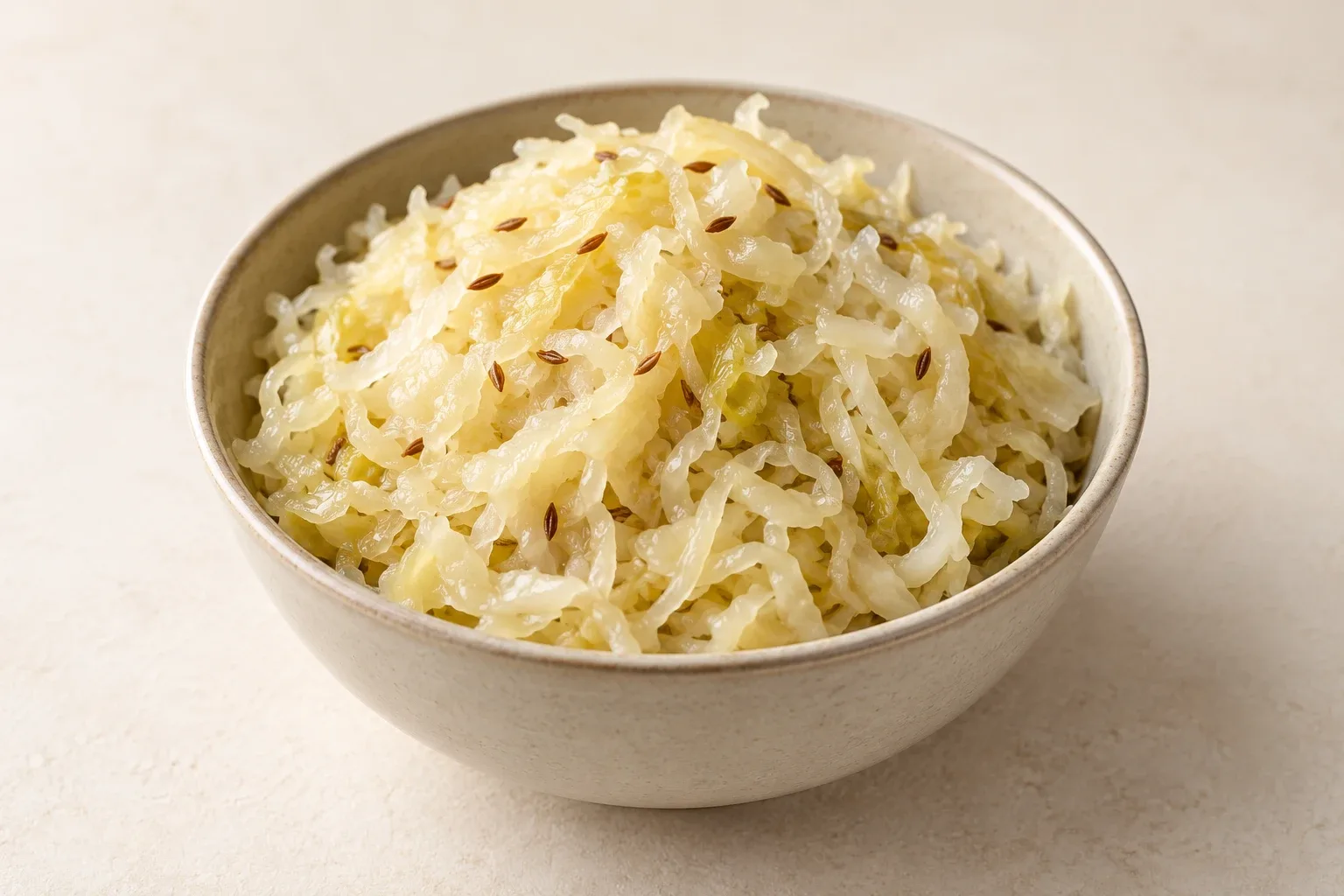
Tangy fermented white cabbage with caraway seeds, a classic four-serving side dish with sharp, aromatic flavor.
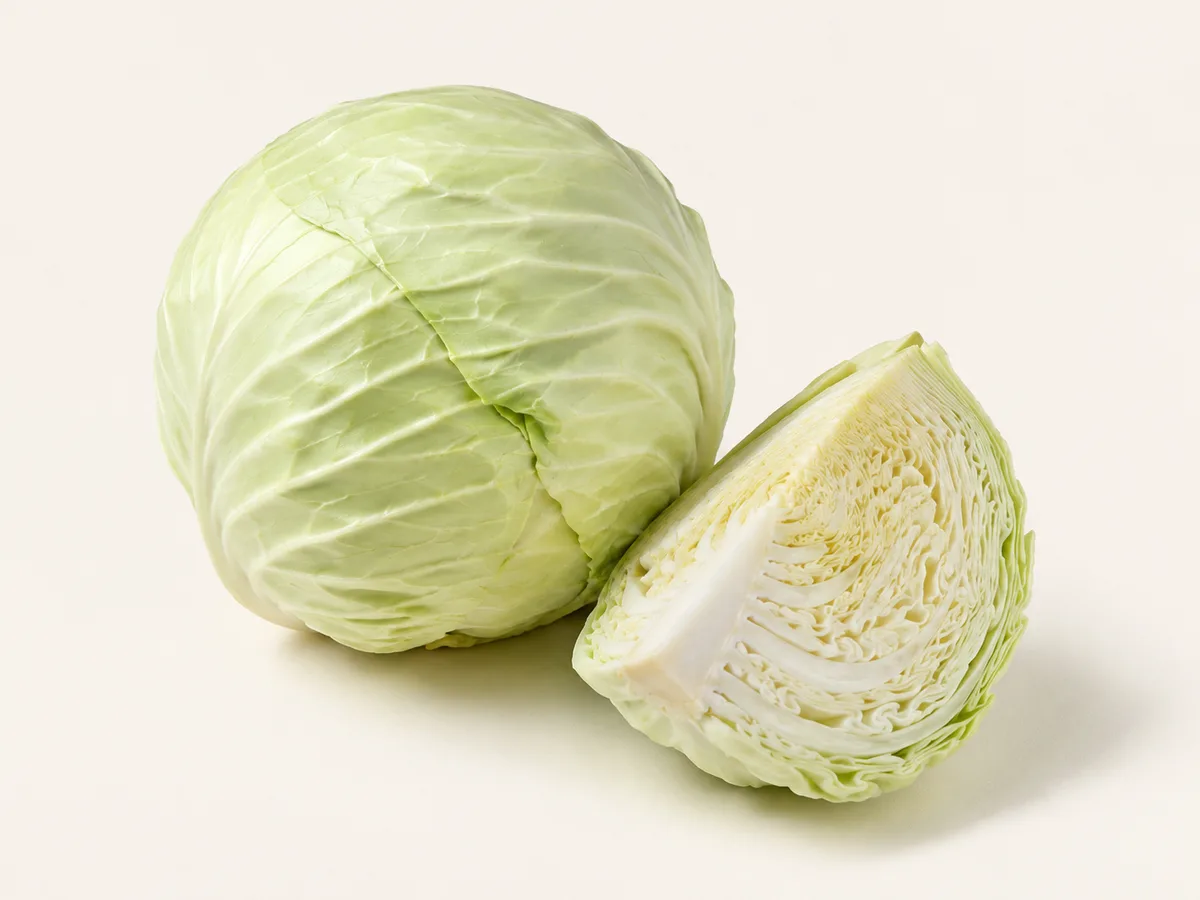 1,000g
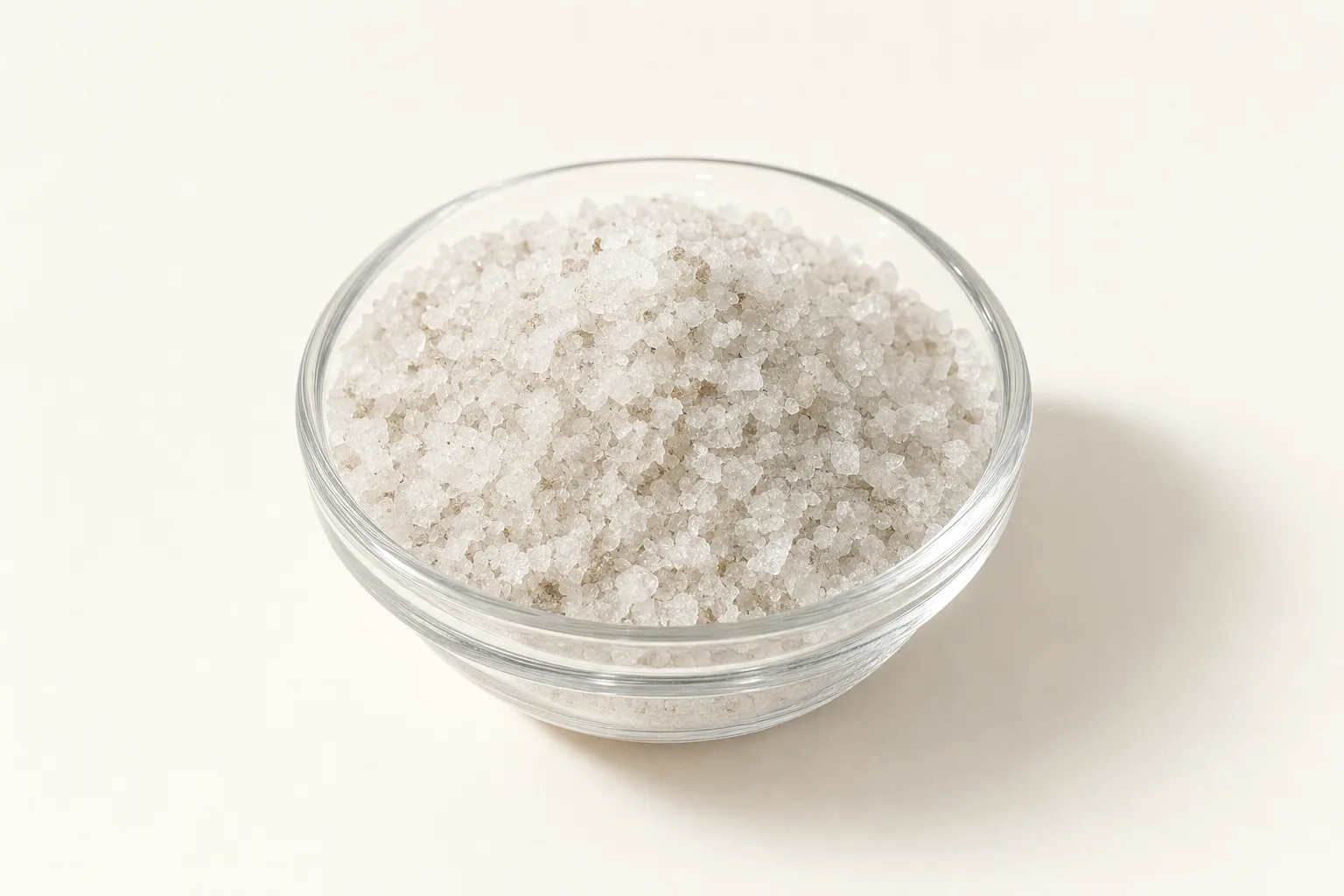 20g
20g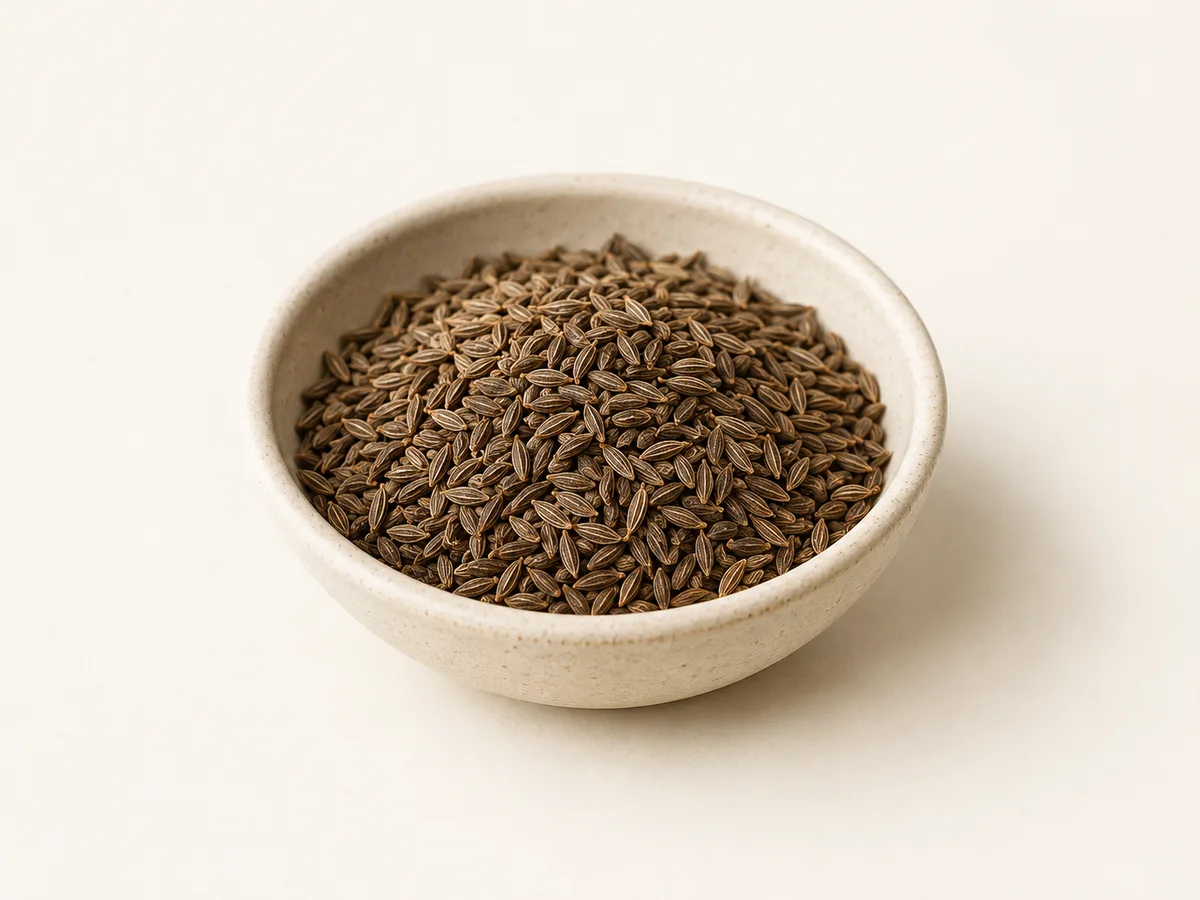 1tsp
1tsp| # | Product | Quantity | Notes | State | |
|---|---|---|---|---|---|
| 1 | | 1,000g | — | — | |
| 2 | | 20g | — | — | |
| 3 | | 1tsp | — | — |
Peel away and discard the tough outer leaves of the cabbage, then set the head on the board.
White cabbage · 1,000 g

Cut the cabbage through the root end into 4 equal wedges.
Cut the hard core out of each wedge with a diagonal cut and discard it.
Slice each cored wedge as thinly as you can across the grain to produce long, fine shreds.
Tip all the shredded cabbage into the large bowl.
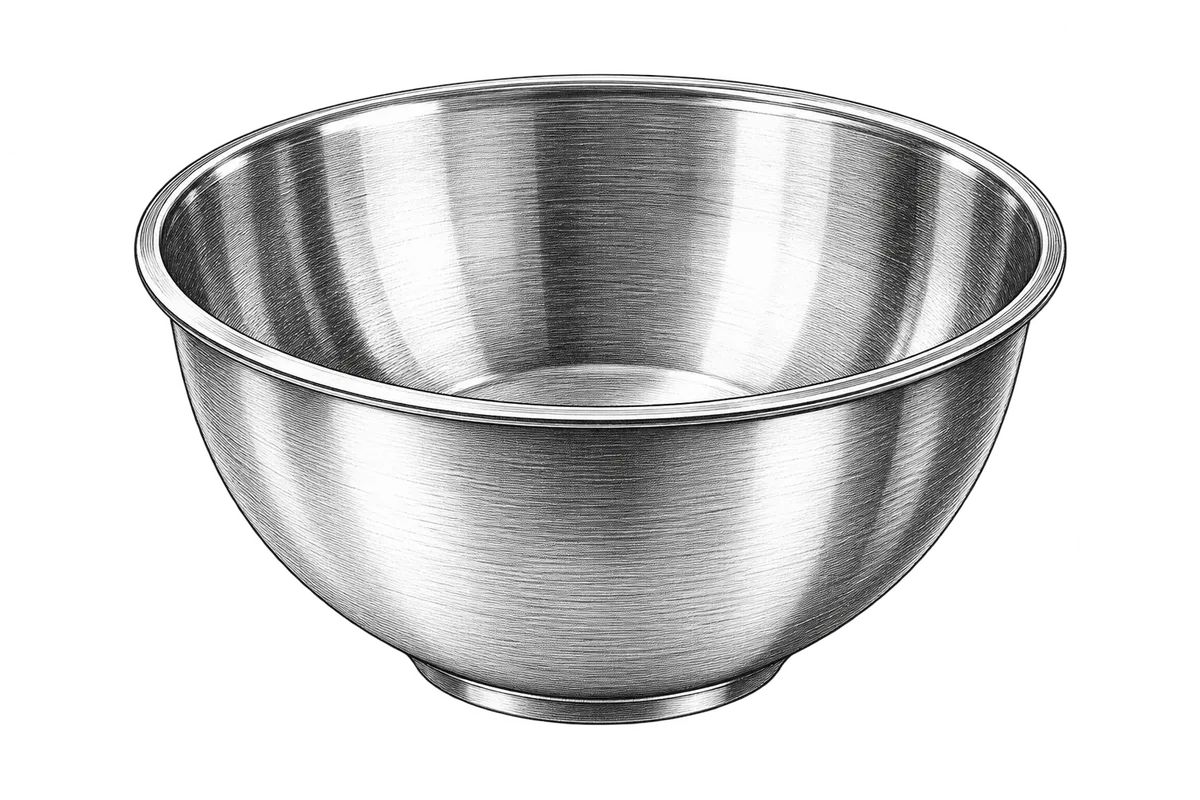
Scatter the salt evenly over the cabbage.
Sea salt · 20 gUsing both hands, squeeze and massage the salted cabbage firmly and repeatedly for about 10 minutes until it has released a generous pool of brine and reduced significantly in volume.
Add the caraway seeds to the bowl.
Caraway seeds · 1 tspToss the caraway seeds through the cabbage with your hands until evenly distributed.
Tip the seasoned cabbage and all its brine into the jar.
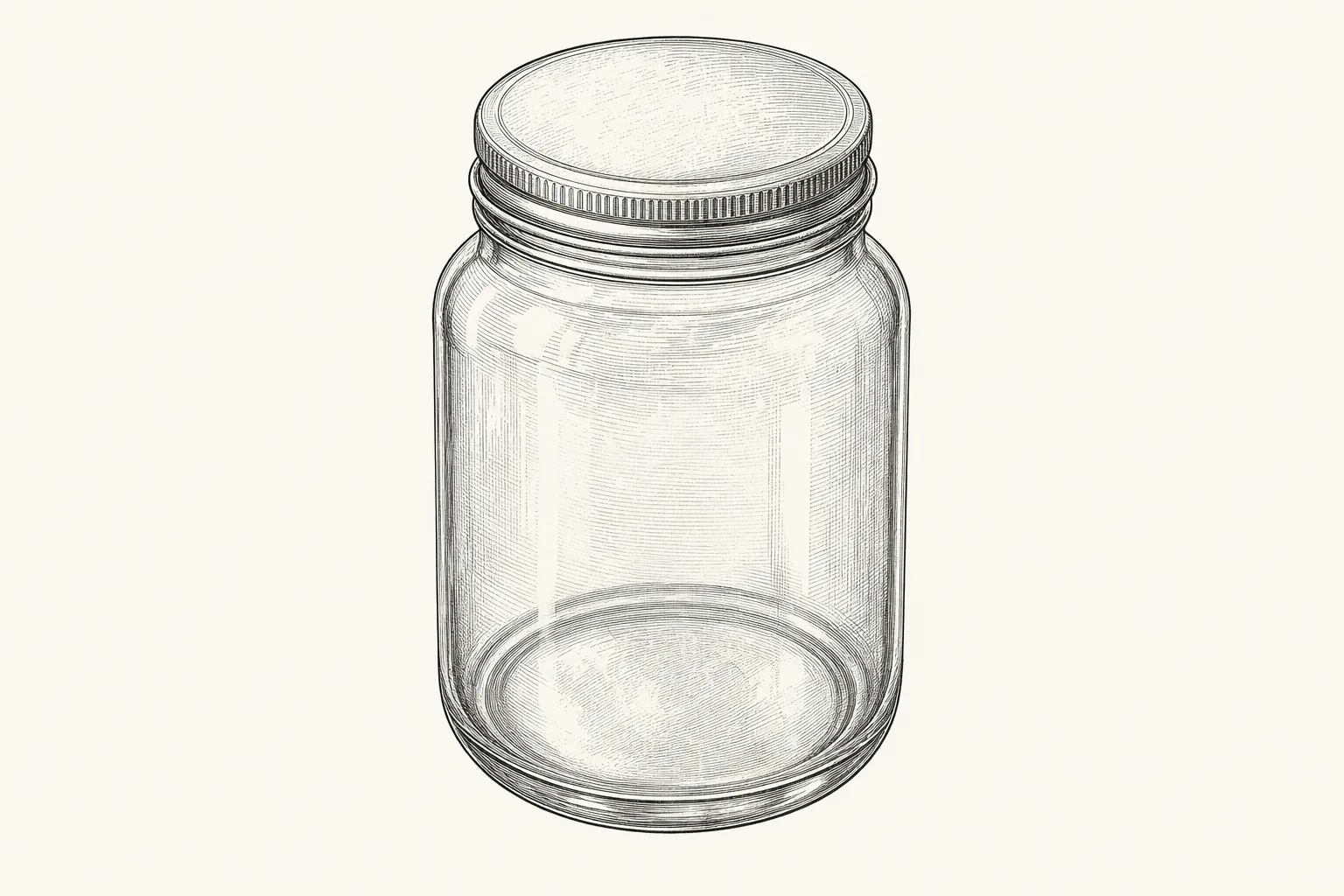
Transfer the cabbage into the jar in handfuls, pressing each layer down hard with your fist so the brine rises to cover the cabbage completely, leaving at least 2 cm of headspace at the top.
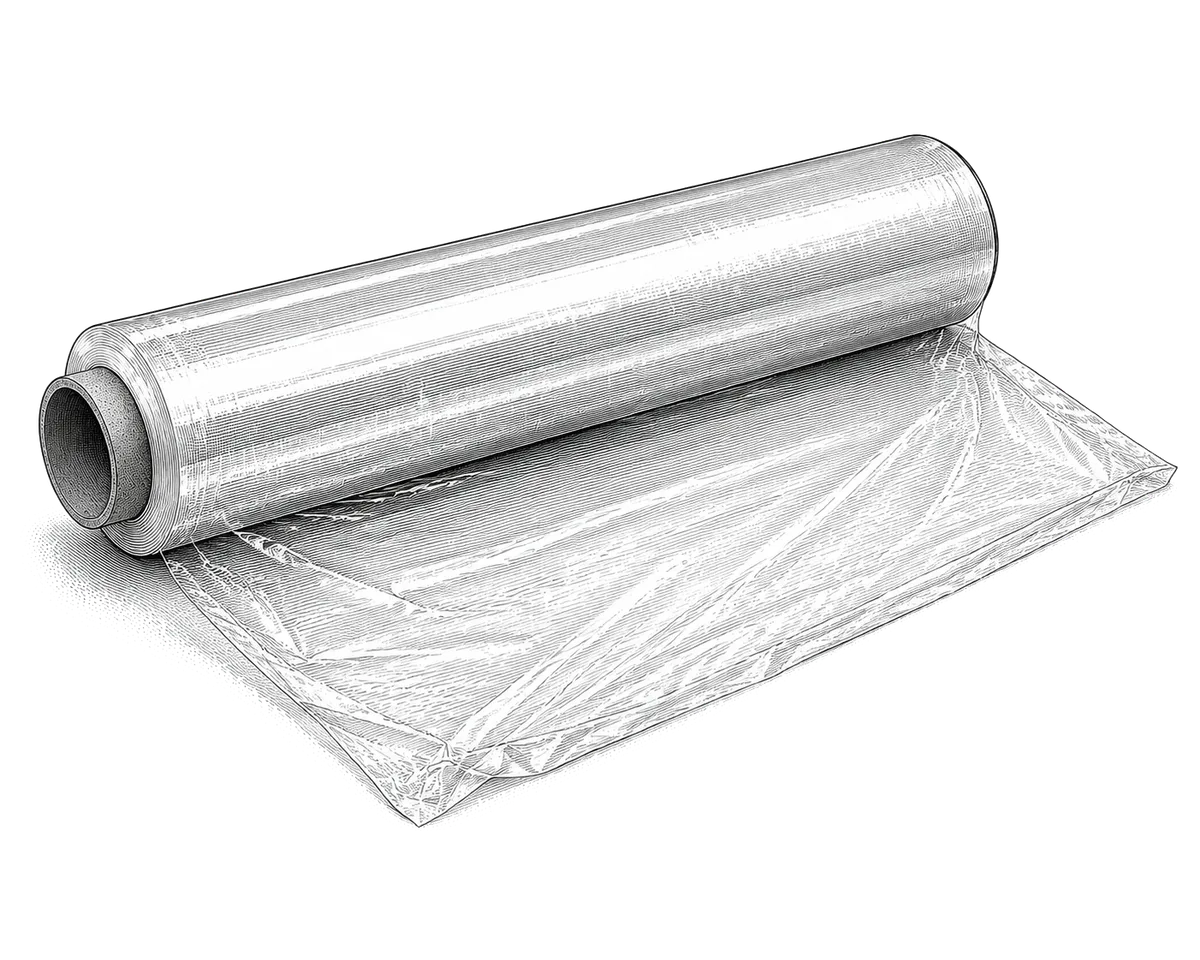
Press a piece of cling film directly onto the surface of the cabbage to keep it submerged, then loosely cover the top of the jar.
Stand the jar somewhere cool and out of direct sunlight, ideally at 18–22 °C.
Leave the cabbage to ferment for 7 days. From day 5, taste a little each day and press the cabbage back below the brine, stopping when the sourness suits you.
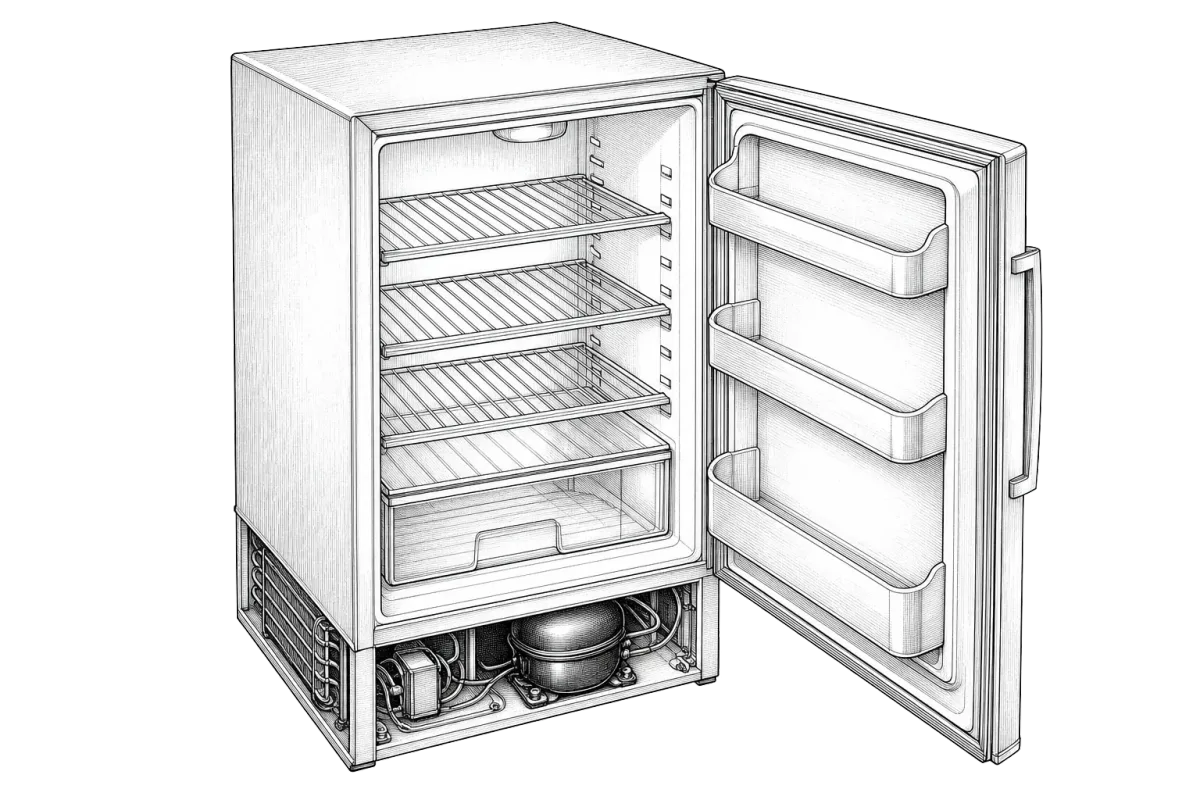
Move the jar to the refrigerator to slow the fermentation; the sauerkraut keeps there for several weeks.
Spoon the sauerkraut into the serving bowl, letting any excess brine drain back into the jar.
| # | Product | Tool | Action |
|---|---|---|---|
| 1 | 1,000 g | | Peel away and discard the tough outer leaves of the cabbage, then set the head on the board.⏱ 30sResultOuter leaves removed cabbage |
| 2 | Outer leaves removed cabbagestep 1 | | Cut the cabbage through the root end into 4 equal wedges.⏱ 20sResultQuartered cabbage |
| 3 | Quartered cabbagestep 2 | | Cut the hard core out of each wedge with a diagonal cut and discard it.⏱ 30sResultCored cabbage quarters |
| 4 | Cored cabbage quartersstep 3 | | Slice each cored wedge as thinly as you can across the grain to produce long, fine shreds.⏱ 2 minResultFinely shredded cabbage |
| 5 | Finely shredded cabbagestep 4 | | Tip all the shredded cabbage into the large bowl.⏱ 10sResultFinely shredded cabbage |
| 6 | 20 g | | Scatter the salt evenly over the cabbage.⏱ 15sResultFinely shredded cabbage and sea salt |
| 7 | — | | Using both hands, squeeze and massage the salted cabbage firmly and repeatedly for about 10 minutes until it has released a generous pool of brine and reduced significantly in volume.⏱ 10 minResultSalted wilted cabbage |
| 8 | 1 tsp | | Add the caraway seeds to the bowl.⏱ 5sResultSalted wilted cabbage and caraway seeds |
| 9 | — | | Toss the caraway seeds through the cabbage with your hands until evenly distributed.⏱ 20sResultSeasoned wilted cabbage |
| 10 | Seasoned wilted cabbagestep 9 | | Tip the seasoned cabbage and all its brine into the jar.⏱ 15sResultSeasoned wilted cabbage |
| 11 | — | | Transfer the cabbage into the jar in handfuls, pressing each layer down hard with your fist so the brine rises to cover the cabbage completely, leaving at least 2 cm of headspace at the top.⏱ 1 minResultPacked salted cabbage |
| 12 | — | | Press a piece of cling film directly onto the surface of the cabbage to keep it submerged, then loosely cover the top of the jar.⏱ 15s |
| 13 | — | | Stand the jar somewhere cool and out of direct sunlight, ideally at 18–22 °C.⏱ 10sResultPacked salted cabbage |
| 14 | — | | Leave the cabbage to ferment for 7 days. From day 5, taste a little each day and press the cabbage back below the brine, stopping when the sourness suits you.⏱ 168 hrResultFermented sauerkraut |
| 15 | — | | Move the jar to the refrigerator to slow the fermentation; the sauerkraut keeps there for several weeks.⏱ 10sResultFermented sauerkraut |
| 16 | Fermented sauerkrautstep 15 | | Spoon the sauerkraut into the serving bowl, letting any excess brine drain back into the jar.⏱ 20sResultFermented sauerkraut |
| Total Time | 168 hr 20 min | ||
Not served on its own — it goes into or alongside other dishes. Keep it until it is needed.
| Nutrient | Per 100 g |
|---|---|
| 30kcal | |
| 2g | |
| 0.1g | |
| 7g | |
| 4g | |
| 3g | |
| 906mg |
Sauerkraut
Tangy fermented white cabbage with caraway seeds, a classic four-serving side dish with sharp, aromatic flavor.
What you’ll doYou will slice cabbage thinly, salt and massage it to draw out its brine, mix in caraway seeds, pack it into a jar submerged under brine, and leave it somewhere cool (18–22 °C) to ferment for about a week, then move it to the refrigerator. Tasting from day 5 onwards will tell you when the sourness is to your liking.
Ingredients
- White cabbage1,000 g
- Sea salt20 g
- Caraway seeds1 tsp