
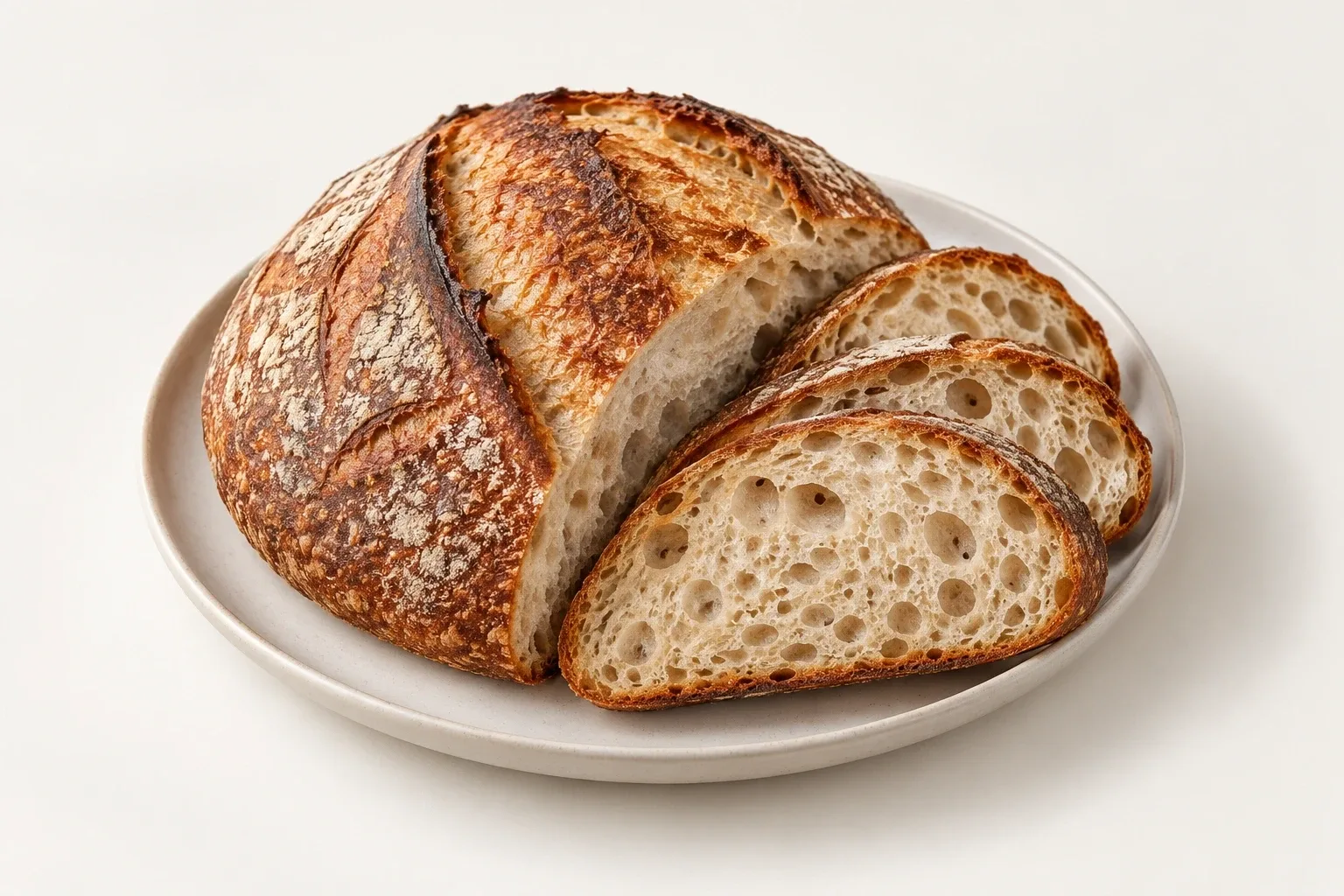
Sourdough Bread
Sourdough bread made with active starter and strong white flour, developing complex flavor through natural fermentation over several days.
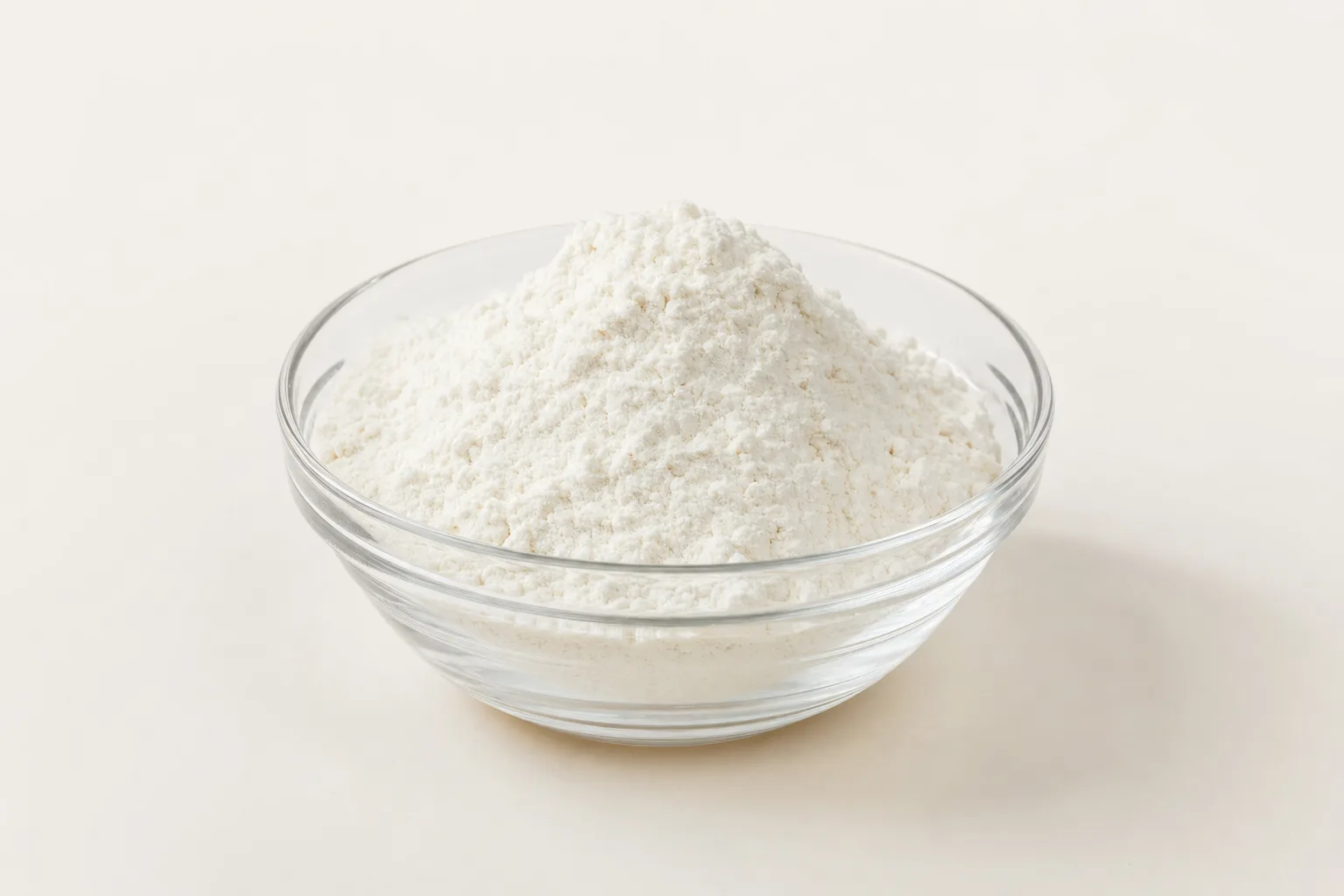 510g
510g 375ml
375ml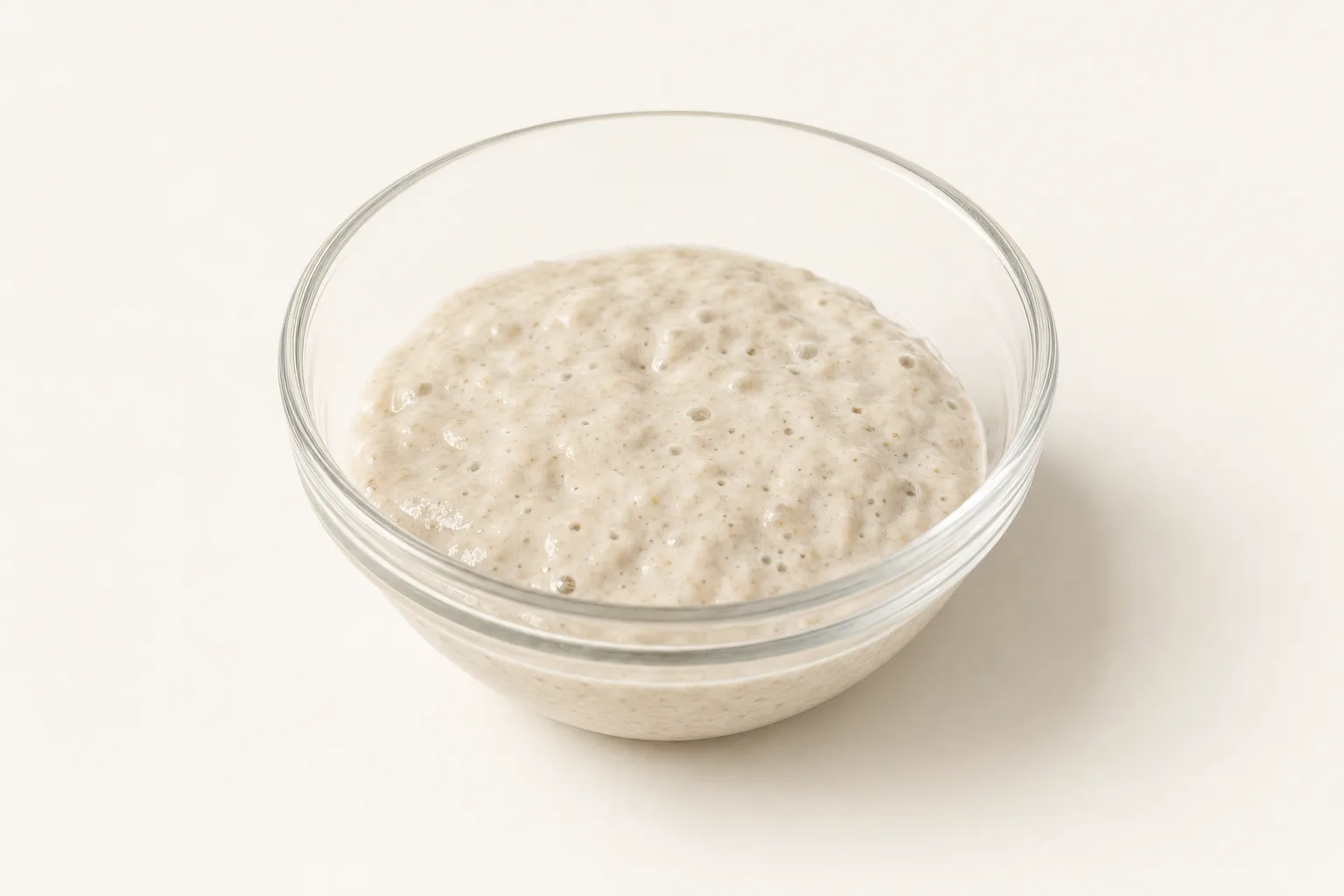 100g
100g 10g
10g| # | Product | Quantity | Notes | State | |
|---|---|---|---|---|---|
| 1 | | 510g | — | — | |
| 2 | | 375ml | — | — | |
| 3 | | 100g | — | — | |
| 4 | | 10g | — | — |
Tip the flour into a large mixing bowl.
Strong white bread flour · 500 g
Pour in most of the water, holding back about 25 ml for later.
Water · 350 mlUse your hand to stir and squeeze the flour and water together until no dry flour remains and a rough, shaggy dough forms.
Cover the bowl with cling film and leave it at room temperature.
Leave the covered dough to rest at room temperature for 30 minutes to hydrate fully.
Peel the cling film off the bowl and set it aside.
Add the starter to the bowl. Use it at its peak, when it has roughly doubled since its last feed and is full of bubbles.
Active sourdough starter · 100 gSqueeze and fold the starter thoroughly into the dough with your hand until fully combined and no streaks remain.
Sprinkle the salt over the dough.
Salt · 10 gDribble the reserved water over the salt to help it dissolve.
Water · 25 mlSqueeze and pinch the dough repeatedly until the salt and water are completely absorbed and the dough feels cohesive.
Cover the bowl with cling film.
Leave the dough to rest, covered, at room temperature for 30 minutes.
Lift the cling film off the bowl and discard it.
Wet your hand, then grab one edge of the dough, stretch it up as far as it will go without tearing, and fold it over to the opposite side; rotate the bowl a quarter turn and repeat until you have completed a full set of four folds.
Cover the bowl with cling film again.
Leave the dough to rest, covered, at room temperature for 30 minutes.
Peel the cling film off the bowl and set it aside.
Repeat the set of four stretch-and-folds, rotating the bowl a quarter turn between each fold.
Cover the bowl with cling film.
Leave the dough to rest, covered, at room temperature for another 30 minutes.
Lift the cling film off the bowl and discard it.
Perform a third and final set of four stretch-and-folds, rotating the bowl a quarter turn between each fold.
Cover the bowl with cling film.
Leave the dough to bulk ferment at room temperature, covered, until it has risen by about 50–75 per cent and looks domed with bubbles at the surface, which will take 4–6 hours depending on the temperature of your kitchen.
Peel the cling film off the bowl and set it aside.
Tip the dough onto an unfloured work surface, use a bench scraper to fold the edges into the centre all the way round, then flip it so the seam is underneath and use the bench scraper and your free hand to drag the ball towards you in short, sharp strokes to build surface tension into a tight round.
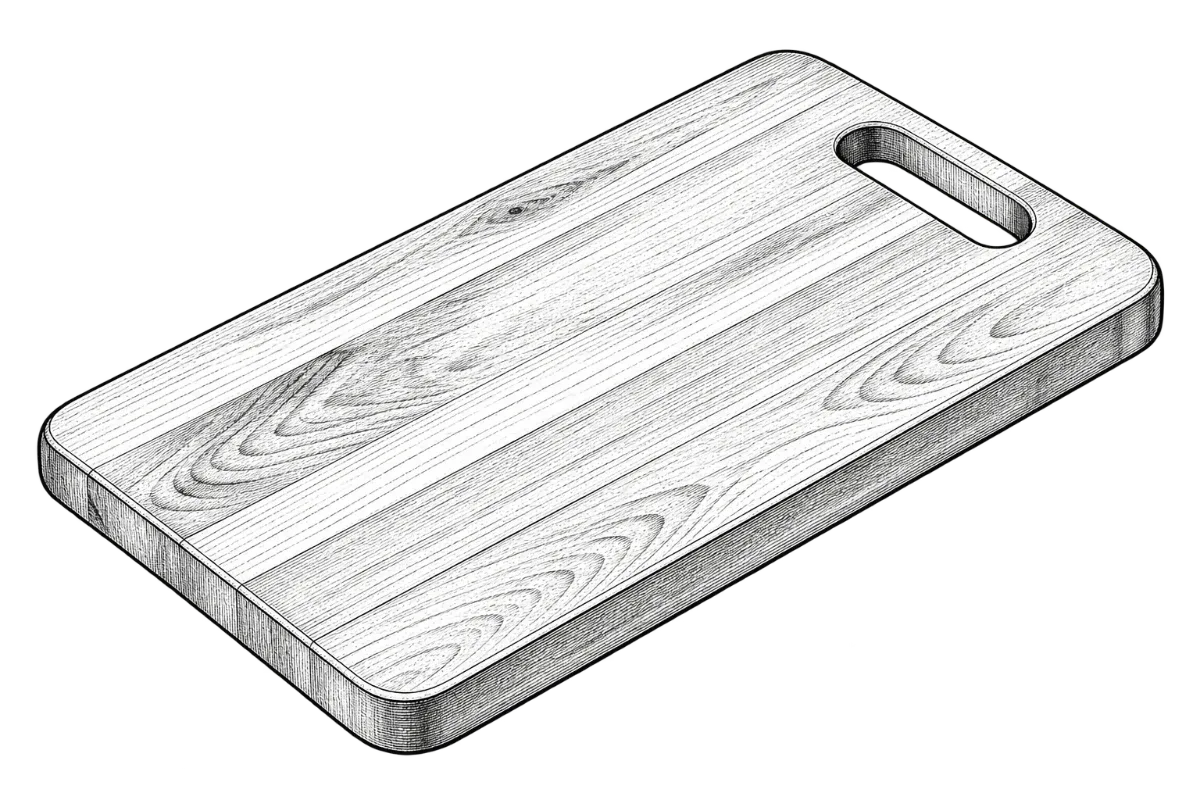
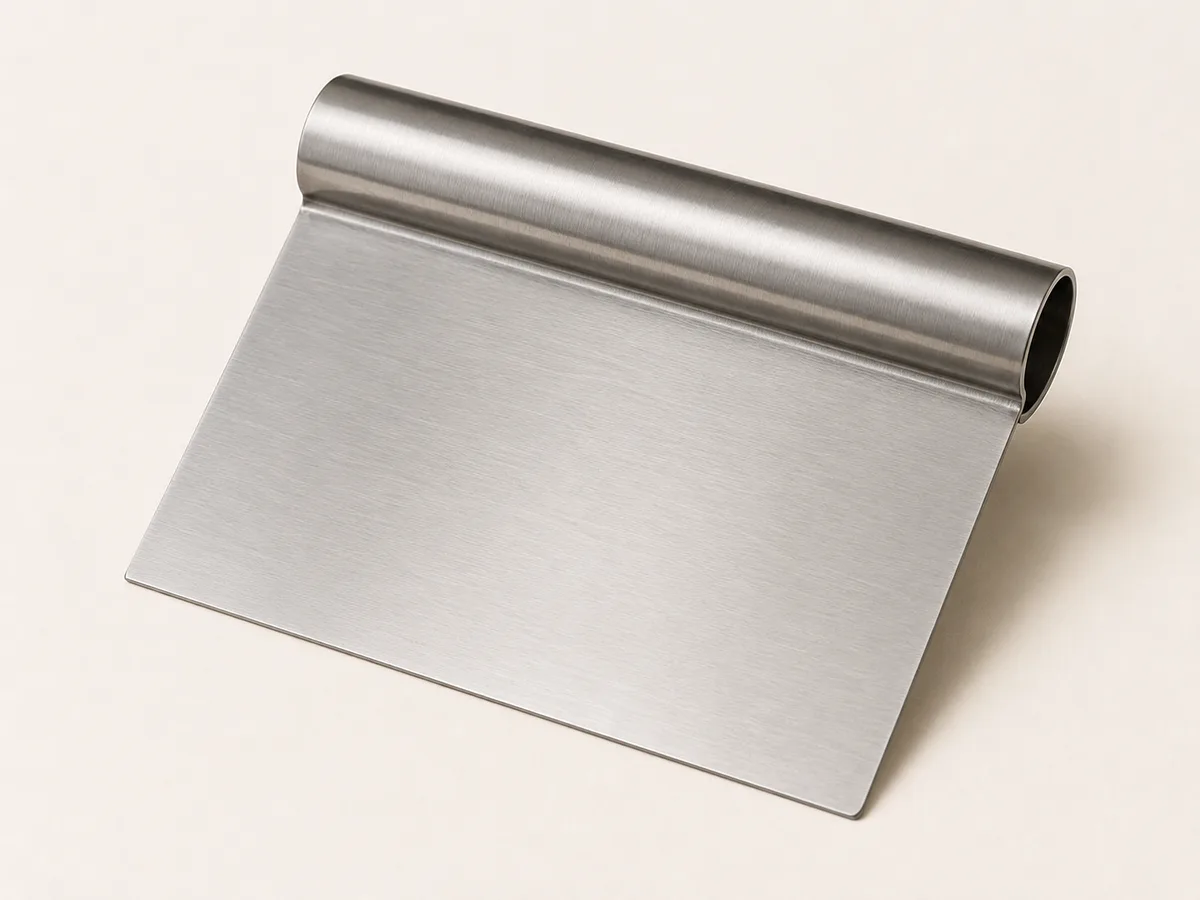
Leave the dough round uncovered on the work surface to bench rest for 30 minutes until it relaxes and spreads slightly.
Dust the inside of the banneton generously with flour, tapping and rotating it so every surface is coated and the dough will not stick.
Strong white bread flour · 10 g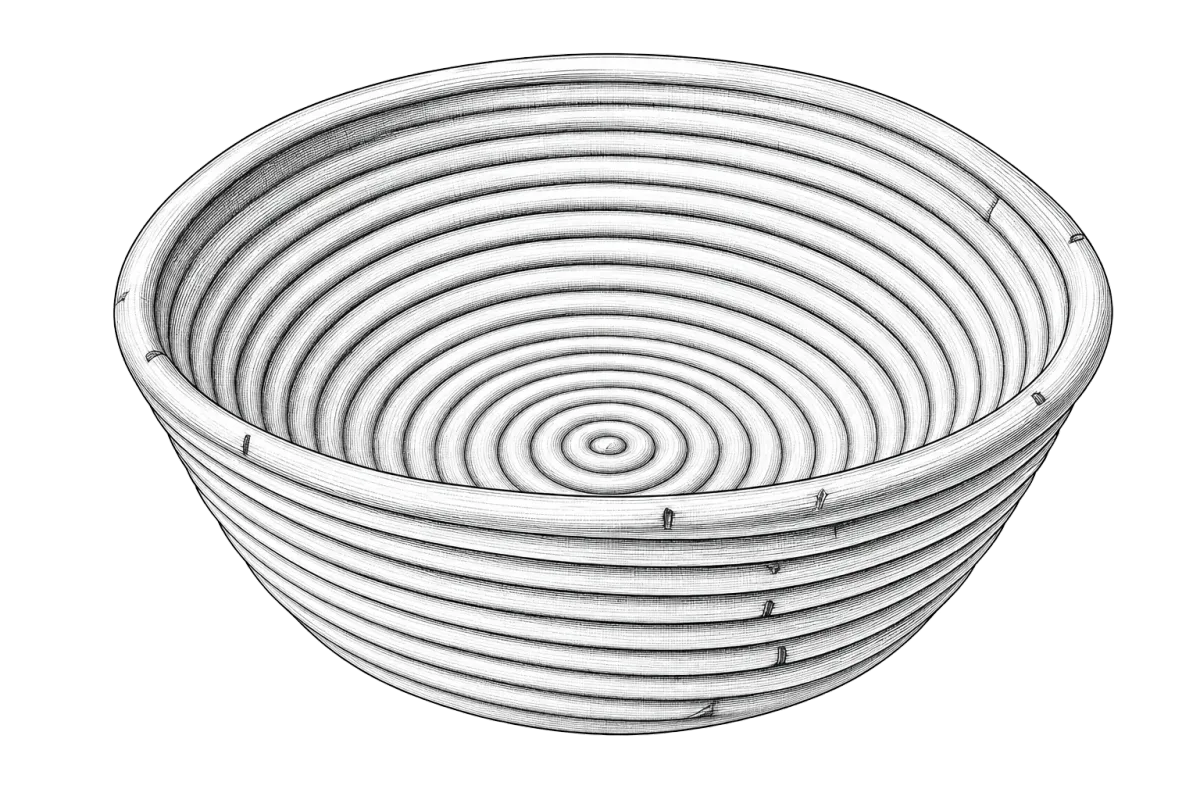
Flip the rested round onto a lightly floured surface, fold the top third down and the bottom third up like a letter, then roll it towards you into a tight batard or round, pinching the seam; flip it seam-side up into the floured banneton.
Cover the banneton loosely with cling film.
Place the covered banneton in the refrigerator.
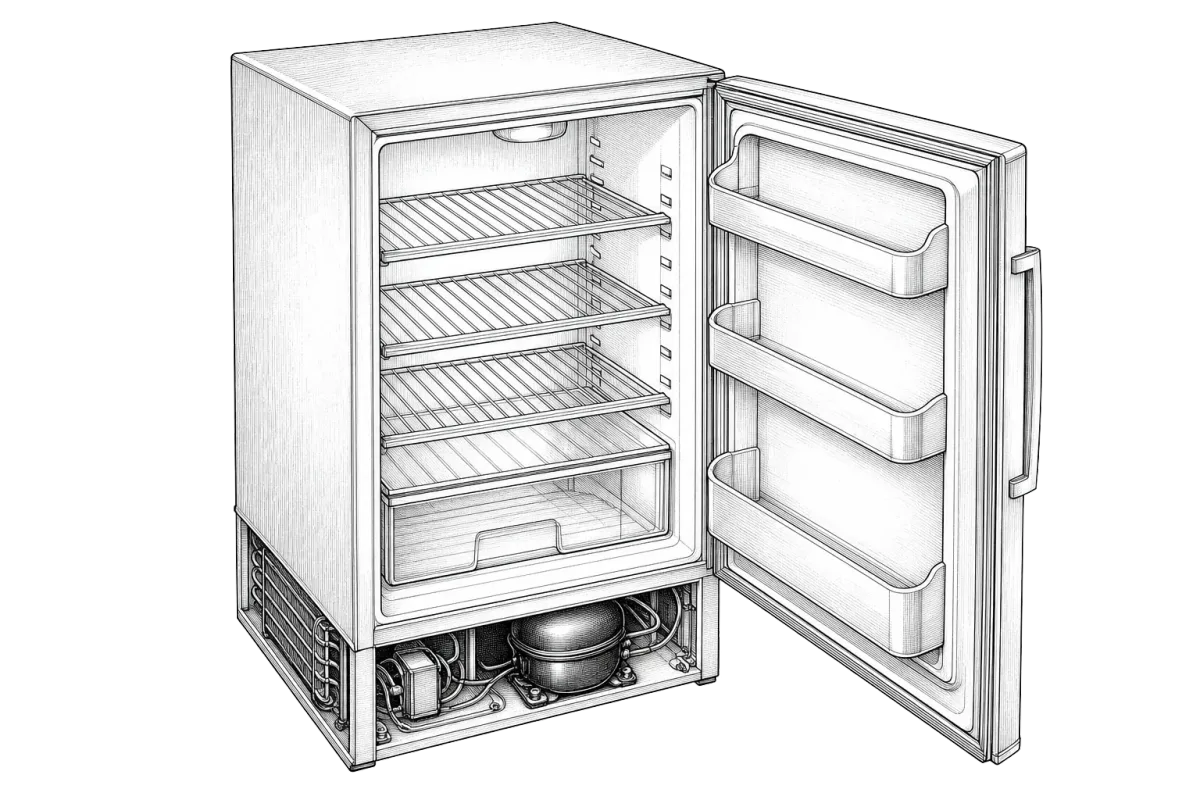
Leave the dough to cold-proof in the refrigerator for 8–12 hours, or overnight, until it has risen noticeably and springs back slowly when poked.
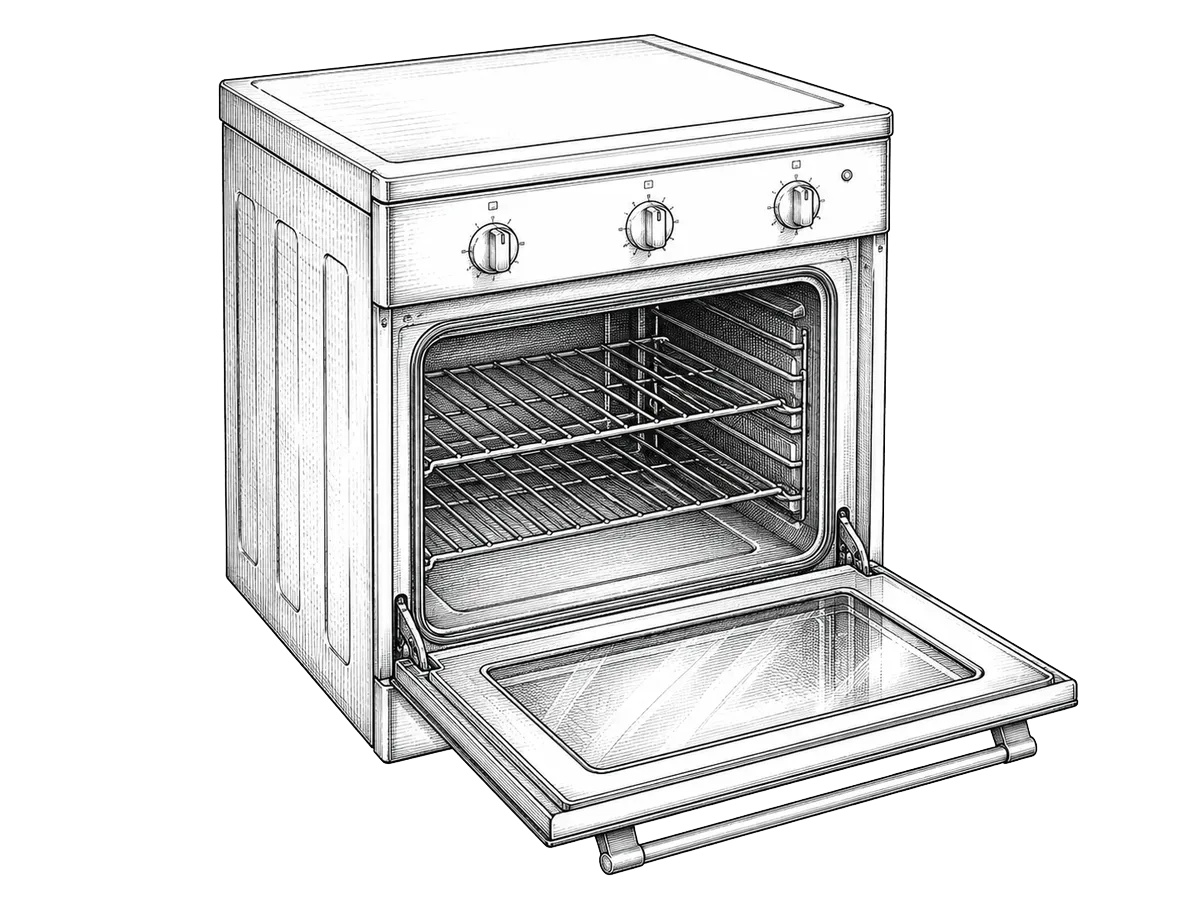
Turn the oven to 250 °C and leave it to heat for a full hour until fiercely hot.
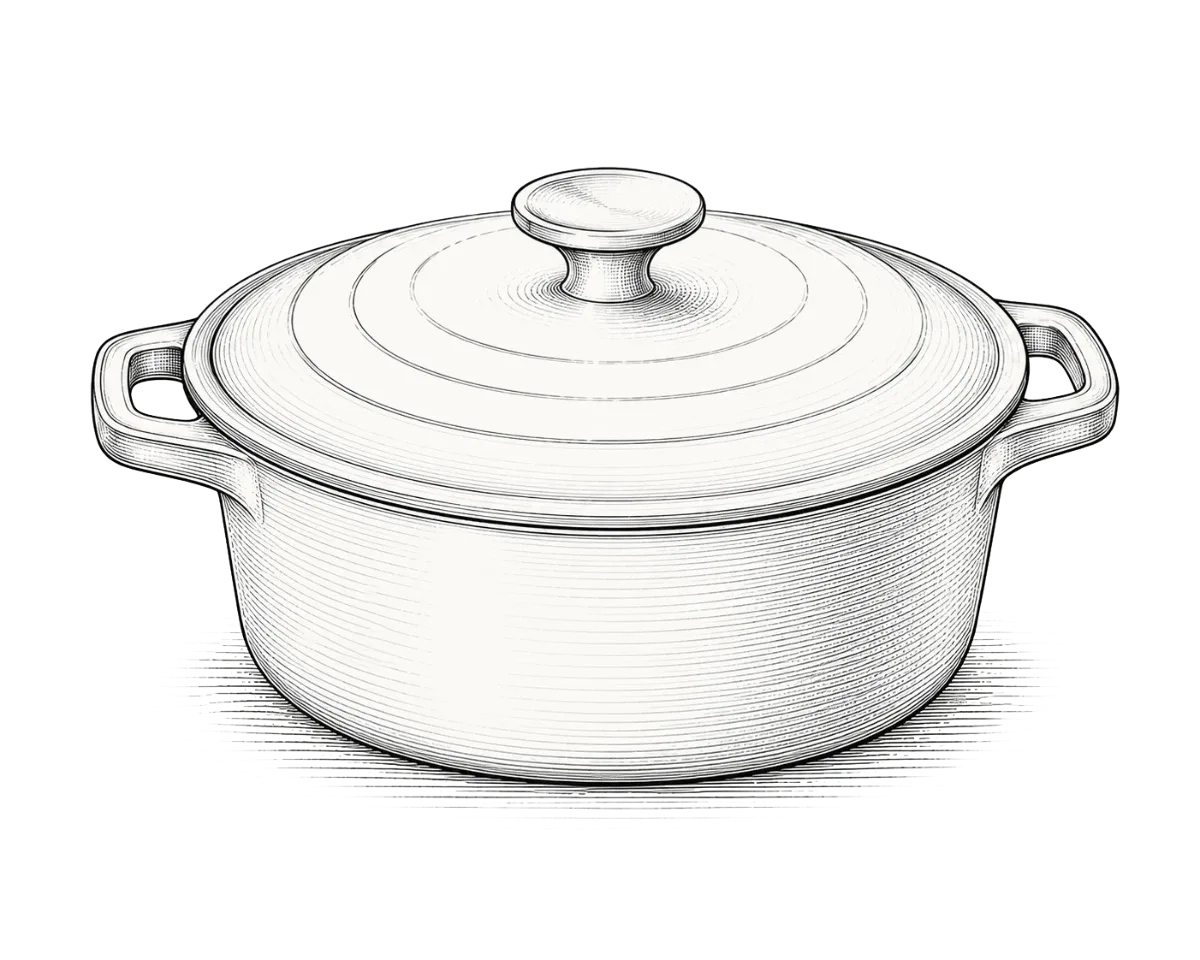
Hold the banneton over the casserole and turn it out in one confident movement so the loaf drops in seam-side down.
Hold the lame at a shallow angle and make one swift, decisive slash along the top of the loaf to score it and allow controlled oven spring.

Set the lid firmly onto the casserole.
Using oven gloves, lower the covered casserole into the oven.
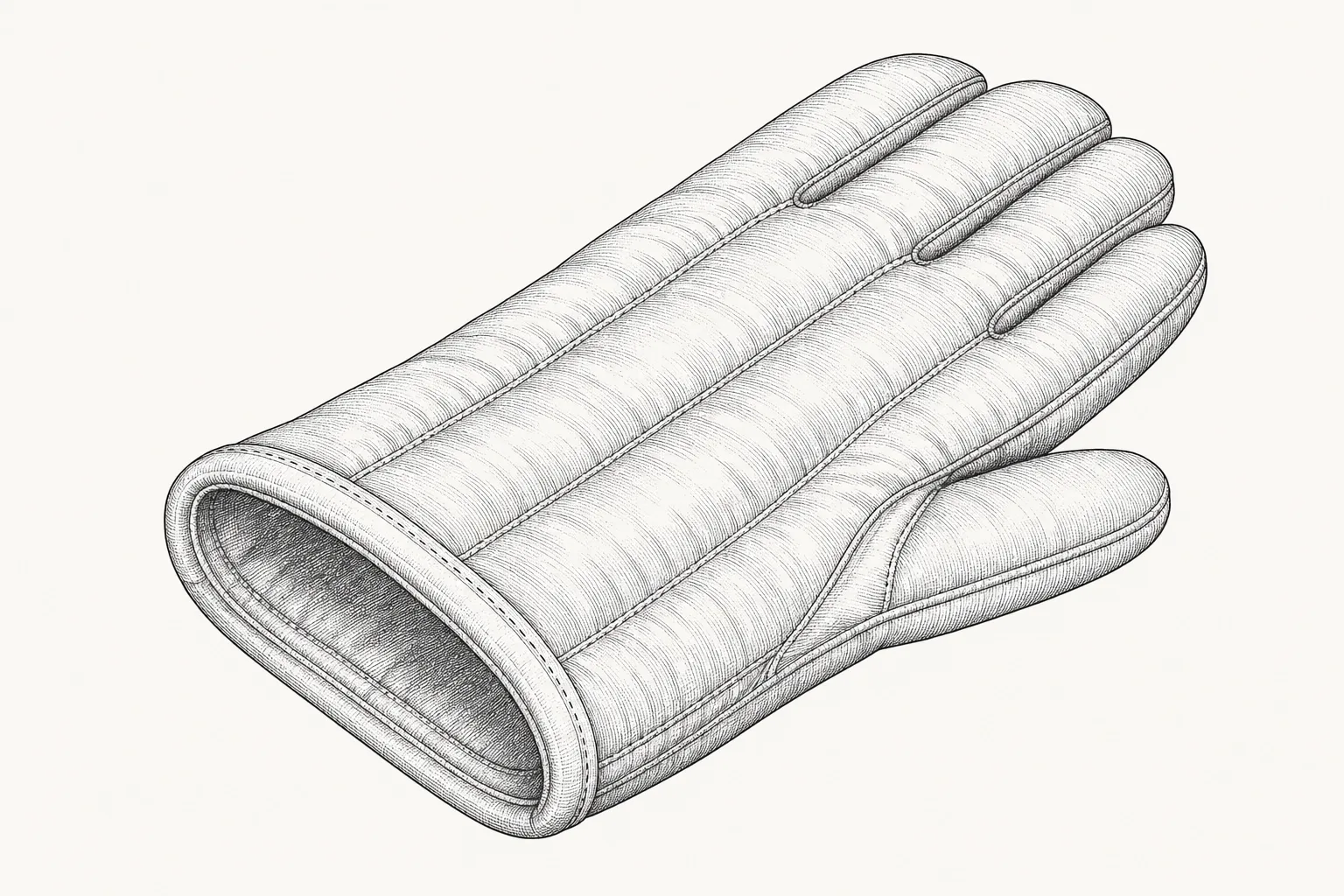
Bake the covered loaf for 20 minutes so it springs up and develops a pale crust in its own steam.
Using oven gloves, lift the casserole out of the oven and remove the lid, setting it aside.
Return the uncovered casserole to the oven.
Bake uncovered for a further 20–25 minutes until the crust is a deep, mahogany brown and the loaf sounds hollow when tapped on its base.
Using oven gloves, lift the casserole out of the oven.
Tip the loaf out of the casserole onto a wire rack, handling it with oven gloves, so it sits right way up.
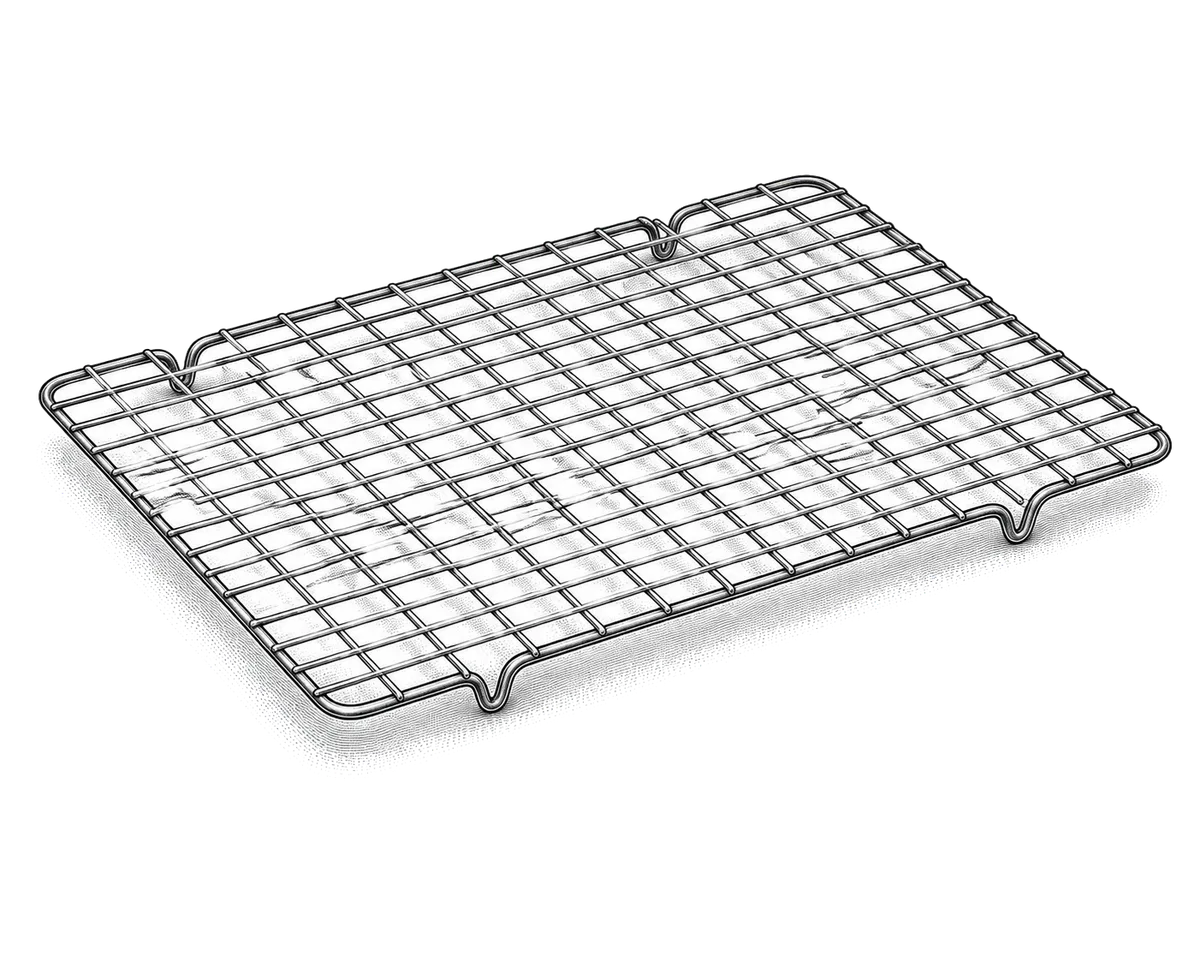
Leave the loaf to cool on the wire rack for at least 1 hour before slicing — cutting into a hot loaf collapses the crumb.
Using a bread knife with a gentle sawing motion, cut the loaf into thick slices and arrange on a board to serve.

| # | Product | Tool | Action |
|---|---|---|---|
| 1 | 500 g | | Tip the flour into a large mixing bowl.⏱ 10sResultStrong white bread flour |
| 2 | 350 ml | | Pour in most of the water, holding back about 25 ml for later.⏱ 10sResultStrong white bread flour and water |
| 3 | — | | Use your hand to stir and squeeze the flour and water together until no dry flour remains and a rough, shaggy dough forms.⏱ 1 minResultShaggy dough |
| 4 | — | | Cover the bowl with cling film and leave it at room temperature.⏱ 10s |
| 5 | — | | Leave the covered dough to rest at room temperature for 30 minutes to hydrate fully.⏱ 30 minResultAutolyse dough |
| 6 | — | | Peel the cling film off the bowl and set it aside.⏱ 5s |
| 7 | 100 g | | Add the starter to the bowl. Use it at its peak, when it has roughly doubled since its last feed and is full of bubbles.⏱ 10sResultAutolyse dough and active sourdough starter |
| 8 | — | | Squeeze and fold the starter thoroughly into the dough with your hand until fully combined and no streaks remain.⏱ 2 minResultStarter-incorporated dough |
| 9 | 10 g | | Sprinkle the salt over the dough.⏱ 10sResultStarter-incorporated dough and salt |
| 10 | 25 ml | | Dribble the reserved water over the salt to help it dissolve.⏱ 5sResultStarter-incorporated dough and salt and water |
| 11 | — | | Squeeze and pinch the dough repeatedly until the salt and water are completely absorbed and the dough feels cohesive.⏱ 2 minResultSeasoned dough |
| 12 | — | | Cover the bowl with cling film.⏱ 10s |
| 13 | — | | Leave the dough to rest, covered, at room temperature for 30 minutes.⏱ 30 minResultRested seasoned dough |
| 14 | — | | Lift the cling film off the bowl and discard it.⏱ 5s |
| 15 | — | | Wet your hand, then grab one edge of the dough, stretch it up as far as it will go without tearing, and fold it over to the opposite side; rotate the bowl a quarter turn and repeat until you have completed a full set of four folds.⏱ 30sResultStretched and folded dough |
| 16 | — | | Cover the bowl with cling film again.⏱ 10s |
| 17 | — | | Leave the dough to rest, covered, at room temperature for 30 minutes.⏱ 30 minResultRested folded dough |
| 18 | — | | Peel the cling film off the bowl and set it aside.⏱ 5s |
| 19 | — | | Repeat the set of four stretch-and-folds, rotating the bowl a quarter turn between each fold.⏱ 30sResultTwice-folded dough |
| 20 | — | | Cover the bowl with cling film.⏱ 10s |
| 21 | — | | Leave the dough to rest, covered, at room temperature for another 30 minutes.⏱ 30 minResultRested twice-folded dough |
| 22 | — | | Lift the cling film off the bowl and discard it.⏱ 5s |
| 23 | — | | Perform a third and final set of four stretch-and-folds, rotating the bowl a quarter turn between each fold.⏱ 30sResultThrice-folded dough |
| 24 | — | | Cover the bowl with cling film.⏱ 10s |
| 25 | — | | Leave the dough to bulk ferment at room temperature, covered, until it has risen by about 50–75 per cent and looks domed with bubbles at the surface, which will take 4–6 hours depending on the temperature of your kitchen.⏱ 4 hrResultBulk-fermented dough |
| 26 | — | | Peel the cling film off the bowl and set it aside.⏱ 5s |
| 27 | — | | Tip the dough onto an unfloured work surface, use a bench scraper to fold the edges into the centre all the way round, then flip it so the seam is underneath and use the bench scraper and your free hand to drag the ball towards you in short, sharp strokes to build surface tension into a tight round.⏱ 1 min 30sResultPre-shaped dough round |
| 28 | — | | Leave the dough round uncovered on the work surface to bench rest for 30 minutes until it relaxes and spreads slightly.⏱ 30 minResultRested pre-shaped roundused in step 30 |
| 29 | 10 g | | Dust the inside of the banneton generously with flour, tapping and rotating it so every surface is coated and the dough will not stick.⏱ 15sResultFlour-dusted banneton |
| 30 | Rested pre-shaped roundstep 28 | | Flip the rested round onto a lightly floured surface, fold the top third down and the bottom third up like a letter, then roll it towards you into a tight batard or round, pinching the seam; flip it seam-side up into the floured banneton.⏱ 1 min 30sResultFinal-shaped loaf |
| 31 | — | | Cover the banneton loosely with cling film.⏱ 10s |
| 32 | — | | Place the covered banneton in the refrigerator.⏱ 10sResultFinal-shaped loaf |
| 33 | — | | Leave the dough to cold-proof in the refrigerator for 8–12 hours, or overnight, until it has risen noticeably and springs back slowly when poked.⏱ 12 hrResultCold-proofed loaf |
| 34 | — | | Take the banneton out of the refrigerator.⏱ 10sResultCold-proofed loafused in step 36 |
| 35 | — | | Turn the oven to 250 °C and leave it to heat for a full hour until fiercely hot.⏱ 1 hr |
| 36 | Cold-proofed loafstep 34 | | Hold the banneton over the casserole and turn it out in one confident movement so the loaf drops in seam-side down.⏱ 20sResultInverted loaf |
| 37 | — | | Hold the lame at a shallow angle and make one swift, decisive slash along the top of the loaf to score it and allow controlled oven spring.⏱ 15sResultScored loaf |
| 38 | — | | Set the lid firmly onto the casserole.⏱ 10s |
| 39 | — | | Using oven gloves, lower the covered casserole into the oven.⏱ 10sResultScored loaf |
| 40 | — | | Bake the covered loaf for 20 minutes so it springs up and develops a pale crust in its own steam.⏱ 20 minResultSteamed loaf |
| 41 | — | | Using oven gloves, lift the casserole out of the oven and remove the lid, setting it aside.⏱ 15sResultSteamed loaf |
| 42 | — | | Return the uncovered casserole to the oven.⏱ 10sResultSteamed loaf |
| 43 | — | | Bake uncovered for a further 20–25 minutes until the crust is a deep, mahogany brown and the loaf sounds hollow when tapped on its base.⏱ 22 minResultDeep-brown crusted loaf |
| 44 | — | | Using oven gloves, lift the casserole out of the oven.⏱ 15sResultDeep-brown crusted loaf |
| 45 | Deep-brown crusted loafstep 44 | | Tip the loaf out of the casserole onto a wire rack, handling it with oven gloves, so it sits right way up.⏱ 20sResultUnmoulded loaf |
| 46 | — | | Leave the loaf to cool on the wire rack for at least 1 hour before slicing — cutting into a hot loaf collapses the crumb.⏱ 1 hrResultCooled sourdough loaf |
| 47 | — | | Using a bread knife with a gentle sawing motion, cut the loaf into thick slices and arrange on a board to serve.⏱ 1 minResultSourdough Bread |
| Total Time | 20 hr 30 min | ||
A batch eaten a portion at a time — about 4 portions. Serve what is wanted now and keep the rest.
| Nutrient | Per serving |
|---|---|
| 479kcal | |
| 19g | |
| 2g | |
| 0.4g | |
| 96g | |
| 0.5g | |
| 4g | |
| 1,065mg |
Sourdough Bread
Sourdough bread made with active starter and strong white flour, developing complex flavor through natural fermentation over several days.
What you’ll doYou will mix flour and water, rest it, add starter and salt in stages, then perform a series of stretch-and-fold actions over several hours as the dough bulk ferments. After shaping, you'll cold-proof it overnight in the refrigerator, then bake it covered and uncovered in a hot casserole until the crust is deep brown and hollow-sounding.
Ingredients
- Strong white bread flour510 g
- Water375 ml
- Active sourdough starter100 g
- Salt10 g